Supreme Court grants CBI full authority to tackle nationwide ‘digital arrest’ scams
The court further directed IT intermediaries to preserve device-related data used by fraudsters, hand it over to the CBI when required and extend full cooperation in both specific investigations and broader data-related support.

ADVERTISEMENT
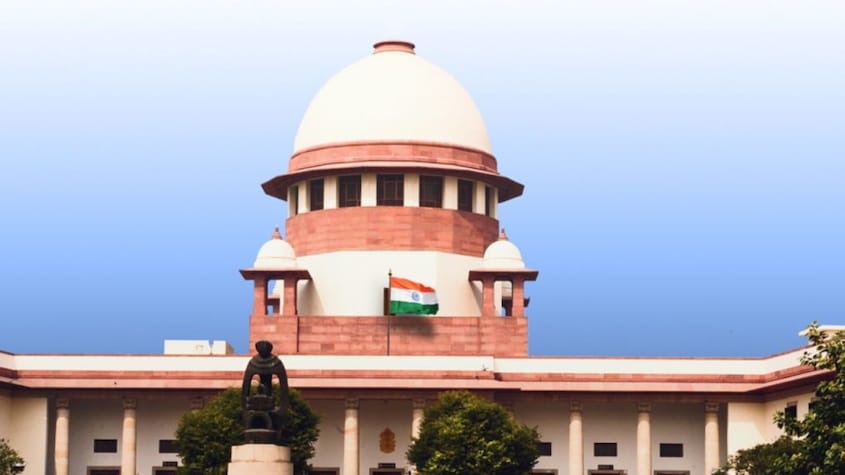
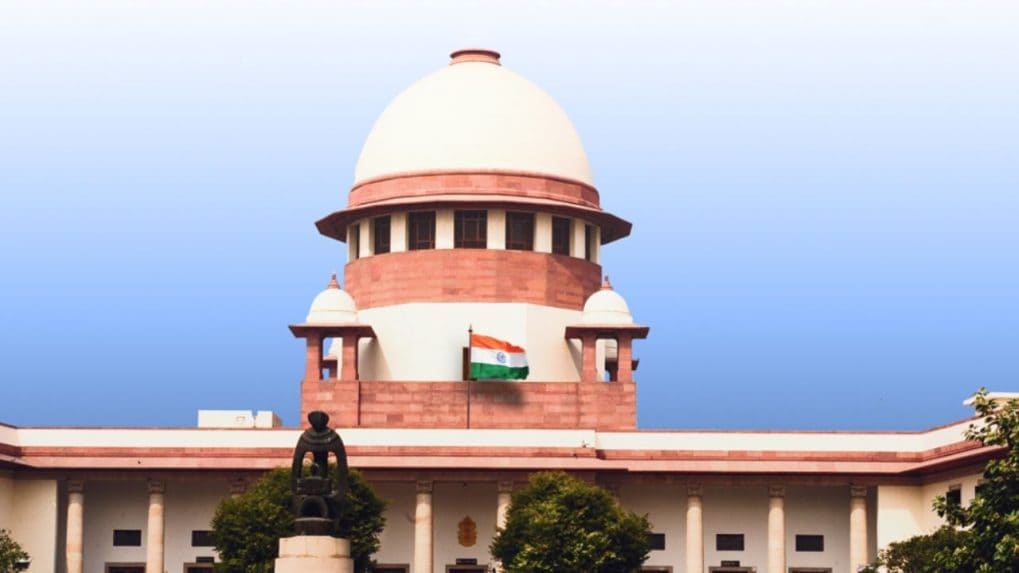
The Supreme Court has ordered a pan-India investigation by the CBI into cases linked to digital arrest scams, underscoring both the expanding threat posed by organised cyber-fraud and the significance of granting central oversight at a time when several opposition-ruled states have withdrawn general consent for CBI probes within their jurisdictions. The bench placed two other major categories of online crime — investment scams and part-time job frauds — on hold for now, stating that the CBI will first investigate digital arrest cases and that the court will later decide whether the other forms of cyber-crime require judicial monitoring, as per several media reports.
Indicating concerns of insider collusion within the financial system, the bench stated that the CBI would have a free hand to investigate bankers under the Prevention of Corruption Act wherever involvement is suspected in the creation of mule accounts used by fraudsters to stash extorted money. Chief Justice Kant and Justice Bagchi also emphasised the scale of the crimes and the fact that many originate from foreign “scam hubs”, directing the agency to coordinate with Interpol to identify and act against cyber-crime networks operating overseas.
The bench issued notice to the Reserve Bank of India, asking it to explain why artificial intelligence and machine-learning tools should not be deployed to detect mule accounts and freeze deposits suspected to represent proceeds of crime. The court further directed IT intermediaries to preserve device-related data used by fraudsters, hand it over to the CBI when required and extend full cooperation in both specific investigations and broader data-related support.
Highlighting serious lapses in the issuance of SIM cards, the bench observed that evidence points to an alarming level of negligence among telecom providers in allowing the issuance of multiple SIMs under a single name. The court instructed the Department of Telecommunications to submit a proposal for measures that may ultimately be mandated to curb the misuse of SIM cards.
The Supreme Court also directed all states and Union Territories to establish and operationalise regional or state-level Cyber-Crime Coordination Centres to ensure closer alignment with the Indian Cyber Crime Coordination Centre (I4C) under the Ministry of Home Affairs, enabling more effective action against cyber-crime, particularly digital arrest scams. It sought a detailed and coordinated plan of action from the Ministry of Home Affairs, Ministry of Finance, Department of Telecommunications and the Ministry of Electronics and Information Technology.
The hearing has been adjourned for two weeks to allow the CBI to select experienced officers from state police forces as well as information-technology experts who can assist in investigating digital arrest cases across the country.