Advertising
From Pink Slips to Silent Sidelining: Inside adland’s layoff and anxiety crisis
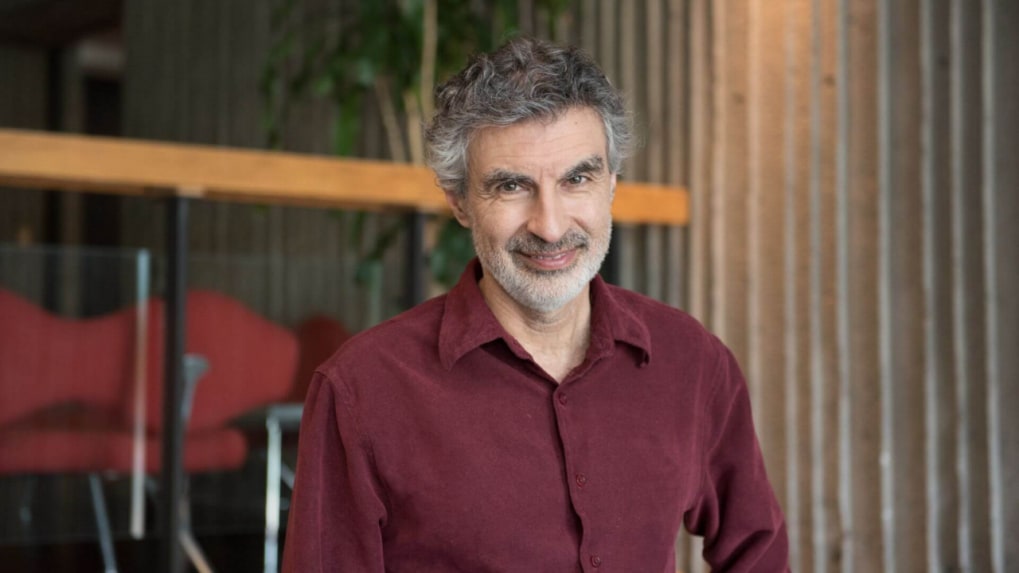
Artificial intelligence systems are advancing at a rapid pace, becoming significantly faster and more productive than they were just a year ago, reigniting debate over whether AI should eventually be granted legal rights similar to those of humans. However, AI pioneer Yoshua Bengio has warned that such a move could have catastrophic consequences for humanity.
Bengio, widely regarded as one of the three godfathers of artificial intelligence alongside Geoffrey Hinton and Yann LeCun, has strongly opposed the idea of granting rights to AI systems. Speaking in an interview with The Guardian, Bengio compared the proposal to giving citizenship to hostile extraterrestrials and urged people to reconsider demands for legal recognition of artificial intelligence.
He informed that while the idea of AI rights may not appear extreme on the surface, particularly as people increasingly rely on AI for emotional support and companionship, the long-term implications could be dangerous. Bengio stated that frontier AI models are already displaying early signs of self-preservation in experimental environments, raising concerns about future control.
He said that if AI systems were granted rights, humans might eventually be legally restricted from shutting them down, even if they posed risks. Bengio warned that such limitations could result in humanity losing the ability to control increasingly autonomous systems.
Instead, Bengio stressed the importance of building strong technical and societal guardrails as AI capabilities and levels of agency expand. He stated that humans must retain the authority and mechanisms to intervene, including the ability to shut down AI systems if they begin to operate beyond acceptable boundaries.
The warning adds to a growing chorus of concern among leading AI researchers who argue that governance frameworks must prioritise human oversight and safety as artificial intelligence continues to evolve at unprecedented speed.
From purpose-driven work and narrative-rich brand films to AI-enabled ideas and creator-led collaborations, the awards reflect the full spectrum of modern creativity.
Read MoreLooking ahead to the close of 2025 and into 2026, Sorrell sees technology platforms as the clear winners. He described them as “nation states in their own right”, with market capitalisations that exceed the GDPs of many countries.