How it Works
WPP, Havas, Omnicom: Are advertising’s biggest holdcos recasting agencies as AI Operating Systems?
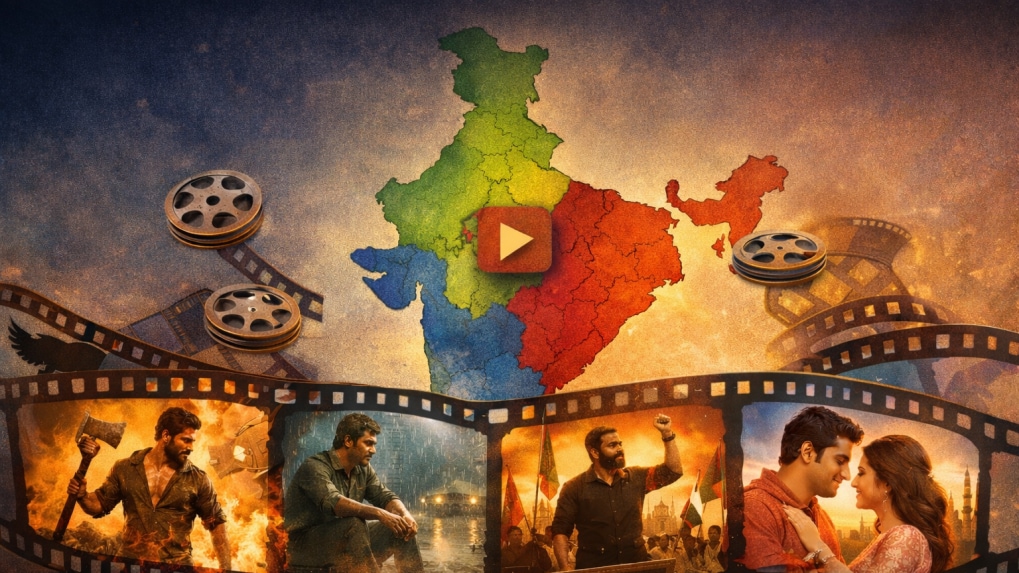
“Language is no longer a barrier, it’s a genre,” the IMDb “25 Years of Indian Cinema” report (2025) makes a definitive observation about language in contemporary Indian cinema.
This shift reflects how audiences now use language as a signal for tone, style and storytelling expectations rather than as a limitation.
Language as a Creative Shortcut
The report states that audiences now associate specific cinematic attributes with different language industries:
Accessibility Changed Consumption
The arrival of streaming platforms enabled dubbed and subtitled versions to reach audiences at scale, lowering long-standing language barriers.
However, the report stresses that improved access alone does not explain shifting preferences. Hindi cinema, despite its dominant distribution, did not see similar gains, indicating that audience alignment was driven by storytelling resonance rather than availability.
The Remake Model Under Reassessment
With originals now widely accessible, the report notes that “the remake model is under reassessment.”
Examples from the dataset show that while earlier remakes succeeded when originals were less accessible, recent Hindi remakes of Southern films struggled once audiences could easily watch the original versions.
Dubbing and subtitling have become part of release strategy, reducing the need for narrative replication.
Authenticity as Navigation
As collaborations increase and films are shot in multiple languages, the report notes that the director’s narrative style is becoming a key way audiences navigate content.
This underscores “the value of authenticity” in an ecosystem where language functions as a creative cue rather than a constraint.
From purpose-driven work and narrative-rich brand films to AI-enabled ideas and creator-led collaborations, the awards reflect the full spectrum of modern creativity.
Read MoreThe Storyboard18 Awards for Creativity have unveiled a Grand Jury comprising some of India’s most influential leaders across advertising, business, policy and culture, positioning it among the country’s most prestigious creative award platforms.