Advertising
From Pink Slips to Silent Sidelining: Inside adland’s layoff and anxiety crisis
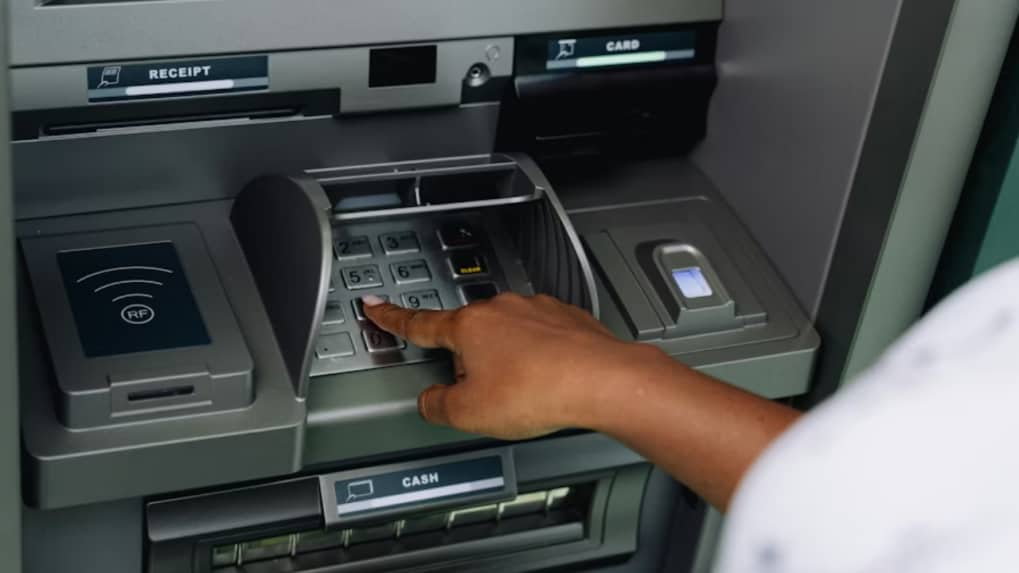
The number of automated teller machines declined moderately in FY25 as the use of digital payments continued to rise, according to a Reserve Bank of India report cited by PTI.
As per the RBI’s Trend and Progress of Banking in India for FY25, the overall number of ATMs fell to 2,51,057 as of March 31, 2025, from 2,53,417 a year earlier, with the reduction largely driven by strategies adopted by private sector banks. The report indicated that both public and private sector banks shut down offsite ATMs during the year.
Private sector banks saw their ATM network shrink to 77,117 from 79,884 in the previous year, while public sector banks also recorded a decline to 1,33,544 from 1,34,694 in the year-ago period, the report stated. The RBI noted that the increasing digitisation of payments has reduced customers’ need to transact through ATMs.
In contrast, independently operated white label ATMs increased to 36,216 from 34,602 in the previous year, the report informed.
The RBI said public sector banks maintained an evenly distributed ATM presence across rural, semi-urban, urban and metropolitan areas, while private sector and foreign banks continued to concentrate their ATM networks largely in urban and metropolitan regions.
Despite the growth of alternative digital channels, banks continued to expand their physical branch networks, the report said. As of March 31, 2025, the number of bank branches stood at 1.64 lakh, marking an increase of 2.8 per cent over the previous year.
Public sector banks were more aggressive in opening new branches during FY25, with the share of private banks in new branch additions declining to 51.8 per cent from 67.3 per cent a year earlier, according to the report. More than two-thirds of the new branches opened by public sector banks were located in rural and semi-urban centres, while the corresponding share for private banks was 37.5 per cent.
The number of basic savings bank deposit accounts increased by 2.6 per cent to 72.4 crore during the year, while the aggregate balance in these accounts rose by 9.5 per cent to Rs 3.3 lakh crore, the RBI said. A majority of these accounts continued to be operated through the business correspondent model, indicating its effectiveness at the grassroots level.
From a deposit insurance perspective, at a time when policymakers are considering raising the insurance cap beyond Rs 5 lakh per account, the RBI reported that 97.6 per cent of accounts were covered as of end-FY25. However, when measured by insured deposits, the coverage ratio declined to 41.5 per cent at end-March 2025 from 43.1 per cent a year earlier, the report added.
From purpose-driven work and narrative-rich brand films to AI-enabled ideas and creator-led collaborations, the awards reflect the full spectrum of modern creativity.
Read MoreLooking ahead to the close of 2025 and into 2026, Sorrell sees technology platforms as the clear winners. He described them as “nation states in their own right”, with market capitalisations that exceed the GDPs of many countries.