Advertising
From Pink Slips to Silent Sidelining: Inside adland’s layoff and anxiety crisis
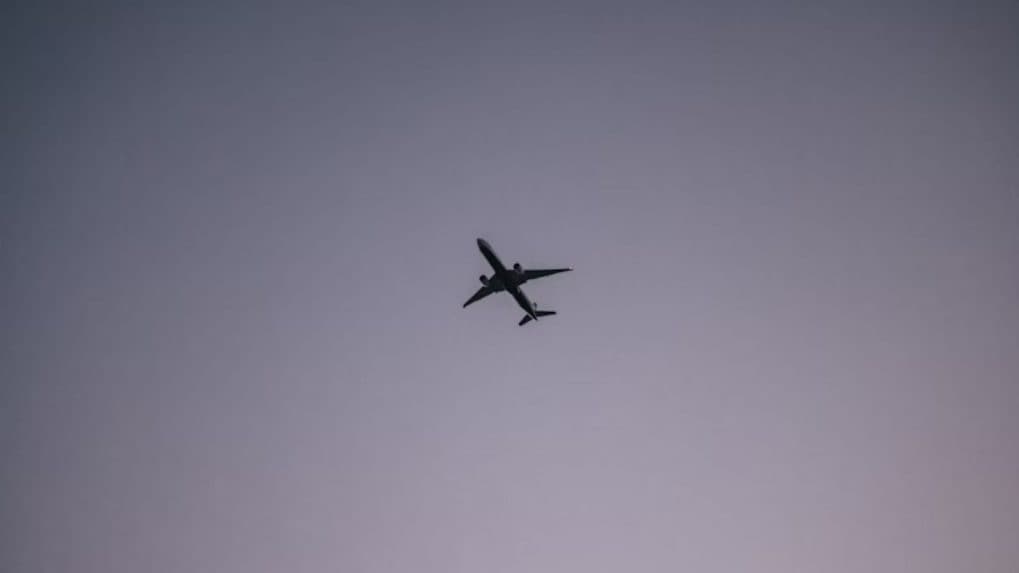
Air India is reportedly pressing the Indian government to persuade China to allow the airline to use a sensitive military airspace corridor over Xinjiang, as the financial and operational impact of Pakistan’s airspace ban continues to escalate, according to an internal company document.
The request (as per the Reuters report), comes shortly after India–China direct flights resumed for the first time in five years, following a prolonged suspension triggered by a border clash in the Himalayas.
Air India has been trying to rebuild its global network and reputation after a London-bound Boeing 787 Dreamliner crashed in Gujarat in June, killing 260 people. The accident forced temporary flight cuts for safety checks, further complicating its recovery.
Those efforts have been severely hit by Pakistan’s decision to block Indian carriers from its airspace since diplomatic tensions flared in late April. As a result, Air India, the only Indian airline with a significant long-haul footprint, has seen fuel costs surge by as much as 29%, and certain international journeys extended by up to three hours, the document submitted to officials in late October shows.
The government is reportedly currently reviewing the airline’s request to take up the matter diplomatically with China.
Air India has sought permission for an alternative route and emergency access to Xinjiang airports, including Hotan, Kashgar and Urumqi, to speed up flights to the U.S., Canada and Europe, the document states. “Air India’s long-haul network is under severe operational and financial strain … Securing Hotan route will be a strategic option,” the airline noted, as per the report.
The Tata Group- and Singapore Airlines–owned carrier estimates that Pakistan’s airspace closure will cost it $455 million annually in profit before tax, a blow exceeding its FY24–25 loss of $439 million.
From purpose-driven work and narrative-rich brand films to AI-enabled ideas and creator-led collaborations, the awards reflect the full spectrum of modern creativity.
Read MoreLooking ahead to the close of 2025 and into 2026, Sorrell sees technology platforms as the clear winners. He described them as “nation states in their own right”, with market capitalisations that exceed the GDPs of many countries.