How it Works
WPP, Havas, Omnicom: Are advertising’s biggest holdcos recasting agencies as AI Operating Systems?
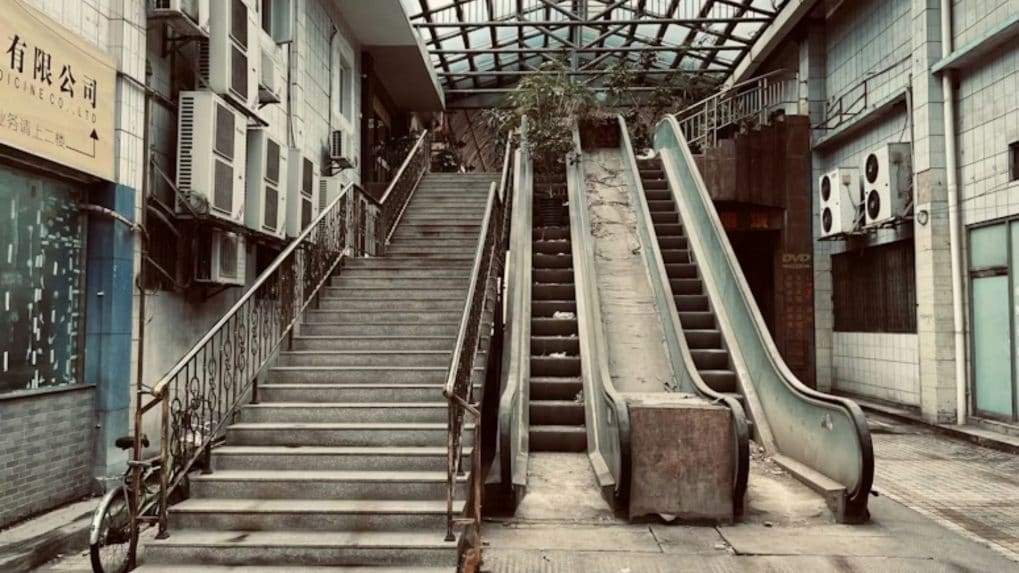
India’s underperforming shopping malls, marked by high vacancies, poor tenant mix, ageing infrastructure and declining consumer relevance, could unlock Rs 357 crore in annual rental revenue if strategically revitalised, according to a new report by Knight Frank India.
The report, Think India, Think Retail 2025 – Value Capture: Unlocking Potential, surveyed 365 shopping centres across the country and identified 74 malls as “ghost assets,” representing 15.5 million sq ft of dormant retail space. Within this pool, the consultancy flagged 15 high-potential malls spanning 4.8 million sq ft that could be transformed to generate significant rental income.
Of these, Tier 1 cities account for Rs 236 crore in potential annual rentals, while Tier 2 cities contribute Rs 121 crore, underscoring opportunities across both mature and emerging urban markets.
The study noted that the ghost mall challenge is not limited to smaller cities. Tier 1 markets house 11.9 million sq ft of this underutilised stock, indicating that even some of India’s earliest malls have failed to keep pace with evolving consumer demands, new retail formats and brand expansion strategies. Tier 2 cities contribute 3.6 million sq ft, where operational inefficiencies, inconsistent mall management and weak anchor tenant presence have hindered performance.
“India’s retail sector is entering a defining phase of growth, supported by strong consumption and a clear shift toward high-quality organised retail formats,” said Shishir Baijal, Chairman and Managing Director, Knight Frank India. “Reinvigorating 4.8 million sq ft of dormant mall stock could unlock Rs 357 crore in annual rentals—a substantial opportunity for developers and investors.”
Baijal added that with Grade A malls operating at just 5.7% vacancy, and several Tier 2 cities showing strong absorption, revitalising older shopping centres through redevelopment or adaptive reuse will be central to India’s next phase of retail expansion.
Cities with highest ghost mall presence
The report also flagged markets where vacancy levels are particularly severe: Nagpur has the highest ghost mall concentration, with 49% of shopping centre space lying vacant due to overdevelopment relative to local demand. In Punjab, Amritsar has 41% vacancy and Jalandhar has 35%, driven by multiple large malls competing for the same set of retailers, leaving many centres chronically under-occupied.
From purpose-driven work and narrative-rich brand films to AI-enabled ideas and creator-led collaborations, the awards reflect the full spectrum of modern creativity.
Read MorePraveen Someshwar, Managing Director and CEO of Diageo India, joins the Grand Jury of the Storyboard18 Awards for Creativity, highlighting the awards’ focus on work that blends cultural relevance with strategic and commercial impact.