Advertising
From Pink Slips to Silent Sidelining: Inside adland’s layoff and anxiety crisis
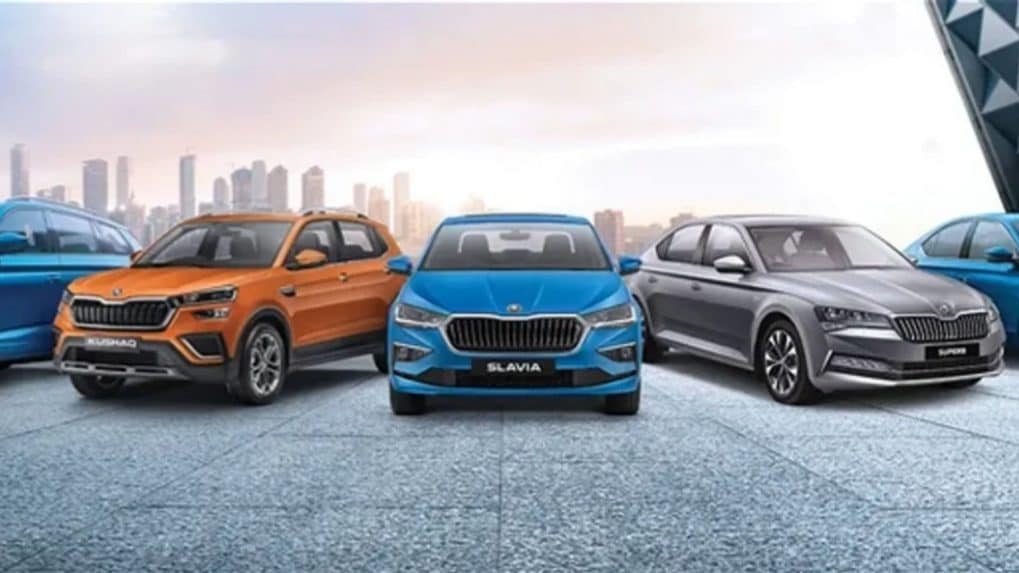
Skoda Auto Volkswagen India Pvt Ltd (SAVWIPL) sold 159,500 vehicles in fiscal year 2025, driven by strong growth in domestic demand, according to a report by PTI. The company’s domestic sales stood at 117,000 units during the year, marking a 36% year-on-year increase.
Additionally, the maker of the Taigun, Tiguan and Kushaq crossed the 2-million mark for vehicles manufactured in India during FY25. SAVWIPL also strengthened its international footprint, with cumulative exports exceeding 715,000 units.
Volkswagen continued to lead the premium sedan segment, with the Virtus commanding a 38% share year-to-date. The company also saw strong demand for its performance offerings, with the first batch of the Golf GTI selling out within days of its launch.
Skoda reported 107% growth, supported by robust demand for the sub-4-metre Kylaq and the Octavia RS. In the luxury segment, Porsche expanded its presence to 13 points of sale across the country. Bentley joined SAVWIPL as the sixth brand under its umbrella, establishing new dealerships in Mumbai, Bengaluru, and Delhi.
Commenting on the performance, Piyush Arora, Managing Director and CEO, Skoda Auto Volkswagen India, said FY2025 marked a year of “purposeful and broad-based progress” for the company, driven by consistent execution and a long-term roadmap for India.
Looking ahead, Arora said the Group remains focused on expanding its product portfolio and dealership network in line with customer needs, while further strengthening India’s position as a high-quality global manufacturing hub. He added that the momentum achieved in FY2025 reinforces the company’s belief that India will play a larger role in the Group’s global growth journey.
From purpose-driven work and narrative-rich brand films to AI-enabled ideas and creator-led collaborations, the awards reflect the full spectrum of modern creativity.
Read MoreLooking ahead to the close of 2025 and into 2026, Sorrell sees technology platforms as the clear winners. He described them as “nation states in their own right”, with market capitalisations that exceed the GDPs of many countries.