Advertising
From Pink Slips to Silent Sidelining: Inside adland’s layoff and anxiety crisis
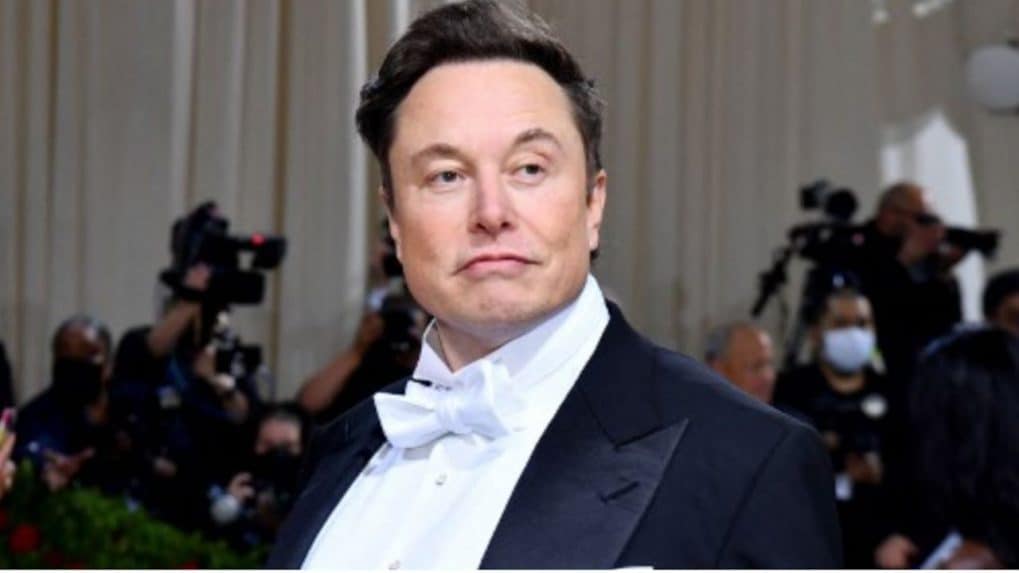
Elon Musk has publicly criticised Apple’s decision to use Google’s Gemini artificial intelligence models to power the next generation of Siri and Apple’s in-house AI systems, warning that the partnership could further consolidate Google’s already significant influence in the technology sector.
Musk, who heads AI startup xAI, made the remarks on X after Google confirmed a multi-year agreement to supply Gemini models and cloud infrastructure for Apple Intelligence features. Reacting to the announcement, Musk said the deal amounted to “an unreasonable concentration of power” for Google, citing the company’s control over major platforms such as Android and the Chrome browser.
Also read: Apple assures Siri users their data stays private even as Google Gemini powers new AI features
The comments come at a time when both Apple and Google are facing mounting pressure in the fast-moving AI race. Apple has been working to catch up with rivals after a slow start in generative AI, while Google is dealing with multiple antitrust investigations in the United States and other jurisdictions over its dominance in search, online advertising and browsers.
Musk’s criticism also reflects his own commercial and legal interests. xAI is currently suing Apple and OpenAI over their earlier partnership, which integrated ChatGPT into Siri and other Apple Intelligence tools as an optional feature. Musk has argued that Apple’s App Store policies give OpenAI an unfair advantage and make it difficult for rival assistants, including xAI’s Grok, to gain prominence.
In previous posts, Musk alleged that Apple’s practices effectively prevent any AI service other than OpenAI from reaching the top of the App Store rankings. Although those claims have been disputed, the case has moved forward and is scheduled to be heard.
Musk now argues that Apple’s decision to rely on Google’s Gemini could further concentrate influence in the hands of a company that already plays a central role in the internet’s infrastructure through Android, Chrome and its cloud services. Whether regulators will take a similar view remains unclear.
The debate also unfolds against a backdrop of controversy around Grok, which has recently faced criticism and restrictions in some countries after being linked to the generation of harmful and non-consensual content.
From purpose-driven work and narrative-rich brand films to AI-enabled ideas and creator-led collaborations, the awards reflect the full spectrum of modern creativity.
Read MoreLooking ahead to the close of 2025 and into 2026, Sorrell sees technology platforms as the clear winners. He described them as “nation states in their own right”, with market capitalisations that exceed the GDPs of many countries.