Advertising
From Pink Slips to Silent Sidelining: Inside adland’s layoff and anxiety crisis
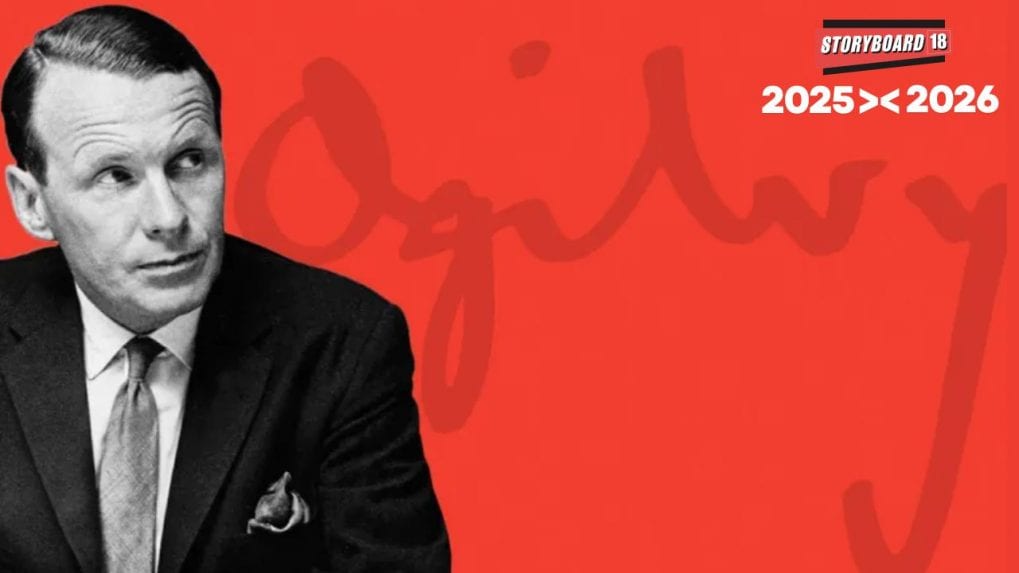
Few figures in advertising inspire the reverence accorded to David Ogilvy. Founder of Ogilvy & Mather (now Ogilvy), he is widely regarded as the ‘Father of Advertising’—a reputation forged through decades of work that balanced creative intuition with intellectual rigour and discipline.
Ogilvy’s legacy is etched into some of the most iconic campaigns the industry has produced: The Man in the Hathaway Shirt, At 60 miles an hour the loudest noise in this new Rolls-Royce comes from the electric clock, American Express’s Don’t Leave Home Without It, and Guinness: A Guide to Oysters/Cheese. His preference for long copy, exhaustive research and striking visual storytelling did more than win attention—it redefined how brands communicated with consumers.
Creativity as the engine of effectiveness
At the heart of Ogilvy’s philosophy was an unshakeable belief in creativity as the driver of advertising effectiveness. He maintained that when advertising failed to sell, it was almost always because it lacked creative power. For Ogilvy, persuasion began with interest—unless an advertisement intrigued and engaged, it stood little chance of influencing behaviour.
Central to this belief was his insistence on the “big idea”. As quoted across multiple writings, Ogilvy argued that only a powerful central idea could capture attention and compel action, observing that fewer than one in a hundred campaigns truly contained such an idea. Without it, he famously warned, advertising would “pass like a ship in the night”.
Ogilvy also believed that many great ideas initially appeared trivial—or even humorous. The best ideas, he suggested, often arrived disguised as jokes and should be made as entertaining as possible. At the same time, he emphasised that big ideas emerged from the unconscious. But instinct alone was not enough. “Your unconscious has to be well informed,” he noted, “or your idea will be irrelevant.”
Diversity of thought, experience and background was another cornerstone of his thinking. Ogilvy believed ideas could turn to “dust or magic” depending on the talent they encountered, once remarking that the most original artists often “steal” ideas—but execute them brilliantly. Creativity, he insisted, was not a science but a coalescence of varied knowledge, experiences and perspectives.
Beyond reason: the creative process
Ogilvy rejected the notion that creativity was purely a rational exercise. His view that original thinking was often non-verbal, emerging through experimentation, intuition and subconscious insight. He was sceptical of excessive reliance on logic, arguing that many business leaders struggled with creativity because they were trapped by what he called the “tyranny of reason”.
For Ogilvy, effective creative work required a willingness to move beyond analysis—to allow instinct, curiosity and imagination to shape ideas alongside data and discipline.
The primacy of positioning
Among Ogilvy’s most enduring contributions to advertising thought was his emphasis on positioning. As noted in many reports, he believed the single most important decision in marketing was how a product was positioned in the consumer’s mind.
The Dove soap campaign remains a textbook example. By positioning Dove as containing “one-quarter cleansing cream”, Ogilvy elevated it from a basic soap to a premium skincare product, demonstrating how a sharp and meaningful distinction could redefine an entire category.
Yet he was equally clear that positioning alone was insufficient. If execution failed to engage, even the strongest strategic insight would fall flat. Ogilvy was critical of campaigns that were well-positioned but dull, poorly written or badly constructed. If no one read or noticed the advertisement, he argued, the positioning did little good.
Strategy, clarity and brand personality
Ogilvy consistently stressed the importance of understanding both the product and the consumer. Studying how people thought about a category—and what benefits they expected—was essential to developing ideas that could sell effectively.
He believed that great advertising was built on a single, clear strategy. Ogilvy argued that strong ideas emerged from focus and simplicity, while mediocre work was often the result of confusion and unnecessary embellishment.
In his view, brands that invested in building a sharply defined personality stood to gain the greatest rewards. He famously suggested that manufacturers who dedicated their advertising to shaping a distinct brand character would command larger market shares and higher profits.
Visual discipline and execution
Ogilvy’s thinking extended deeply into executional detail. He was acutely aware of how consumers interacted with advertising and believed many ads failed because of poor brand identification. While he often advocated enlarging logos to ensure recognition, he exercised restraint in print, adjusting size and placement based on context.
He placed particular emphasis on human imagery, convinced that audiences were more interested in faces than in abstract corporate symbols. Photographs, he believed, should be placed at the top of ads, reflecting the natural way readers scanned content—from top to bottom.
Ogilvy also championed advertising that resembled editorial content. Ads that informed rather than overtly sold, he felt, were more likely to make readers pause, engage and read.
Ambition, testing and continuous improvement
Underlying Ogilvy’s philosophy was a strong belief in ambition. He warned that a lack of aspiration dulled creativity and reduced professionals to mediocrity. Advertising, in his view, demanded boldness—in ideas, execution and intent.
He was also a tireless advocate of testing. Ogilvy urged advertisers to continually experiment and refine their work, arguing that constant testing was the surest path to improvement. “Never stop testing,” he advised, “and your advertising will never stop improving.”
For Ogilvy, every advertisement was more than a sales message. It was a contribution to the broader brand image—a complex symbol built over time. As he succinctly put it, advertising was only harmful when it advertised harmful things.
From purpose-driven work and narrative-rich brand films to AI-enabled ideas and creator-led collaborations, the awards reflect the full spectrum of modern creativity.
Read MoreLooking ahead to the close of 2025 and into 2026, Sorrell sees technology platforms as the clear winners. He described them as “nation states in their own right”, with market capitalisations that exceed the GDPs of many countries.