Advertising
From Pink Slips to Silent Sidelining: Inside adland’s layoff and anxiety crisis
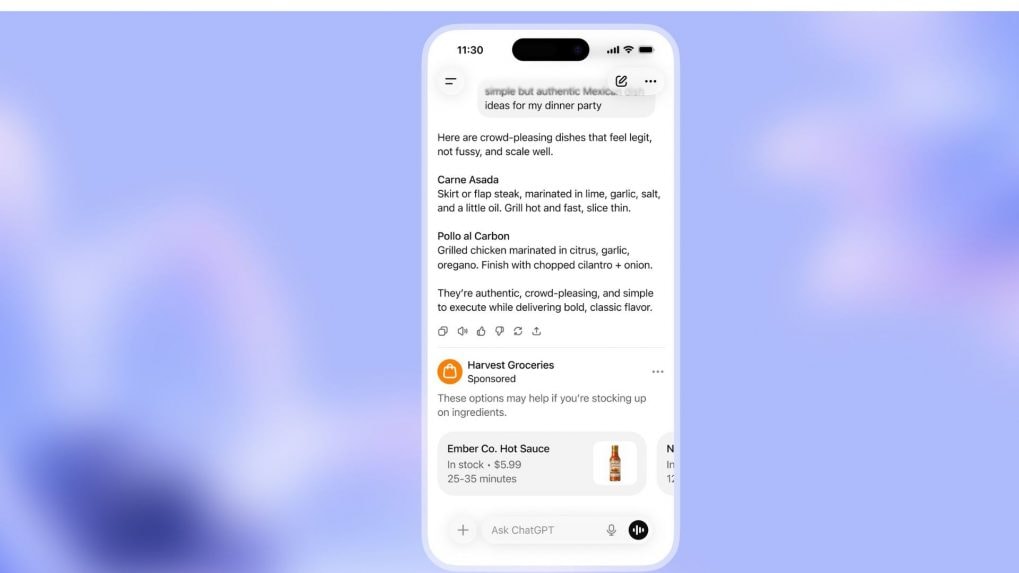
OpenAI is preparing to introduce advertising on ChatGPT for the first time, marking a significant shift in its revenue strategy as it seeks to expand access to artificial intelligence tools to a wider audience.
The company announced that it plans to begin testing ads in the United States in the coming weeks for users on its free and low-cost subscription tiers, including the recently launched ChatGPT Go plan. The $8 per month Go tier, which has been rolled out in 171 countries since August, is now being made available in the US and all regions where ChatGPT operates.
OpenAI said the move is aimed at making AI more accessible to users who are unable or unwilling to pay for premium subscriptions. The company added that its Pro, Business, and Enterprise subscription tiers will remain completely ad-free.
The decision to embrace advertising represents a notable reversal from earlier positions. In May 2024, OpenAI CEO Sam Altman had described the idea of ads integrated into AI responses as “dystopian” and “uniquely unsettling.” He had argued that users should not “become the product” and that advertising should only ever be a “last resort” business model. However, on January 17, 2026, Altman confirmed the upcoming rollout of ads, citing the immense infrastructure costs of running AI systems and the need to provide broad access to users who prefer not to pay.
OpenAI emphasised that the introduction of ads would not compromise user trust or the integrity of ChatGPT’s responses. “You need to trust that ChatGPT’s responses are driven by what’s objectively useful, never by advertising,” the company said in a blog post outlining its advertising approach.
To address concerns, OpenAI released a set of guiding principles for ads on ChatGPT. These include mission alignment, answer independence, conversation privacy, user choice and control, and a commitment to long-term user value over short-term revenue.
“Ads do not influence the answers ChatGPT gives you. Answers are optimised based on what’s most helpful to you. Ads are always separate and clearly labeled,” the company said. It also promised that conversations would remain private and that user data would never be sold to advertisers.
During the initial testing phase, ads will appear at the bottom of responses when a relevant sponsored product or service aligns with the ongoing conversation. The ads will be clearly marked and separated from organic answers. Users will be able to dismiss ads, understand why they were shown, and turn off personalisation if they choose.
OpenAI also said it would take extra precautions around sensitive topics. Ads will not be shown to users who are under 18, or in contexts involving health, mental health, or political content.
“The best ads are useful, entertaining, and help people discover new products and services,” the company said, adding that conversational AI creates opportunities for more interactive and helpful advertising experiences.
The company framed the ad-supported model as a way to help small businesses and emerging brands reach customers in more meaningful ways, while ensuring that more users can access AI tools with fewer usage restrictions.
“We’ll learn from feedback and refine how ads show up over time, but our commitment to putting users first and maintaining trust won’t change,” OpenAI said.
The company added that its long-term focus remains on building subscription-based products, with advertising playing a complementary role in ensuring broader access to AI-powered intelligence.
From purpose-driven work and narrative-rich brand films to AI-enabled ideas and creator-led collaborations, the awards reflect the full spectrum of modern creativity.
Read MoreLooking ahead to the close of 2025 and into 2026, Sorrell sees technology platforms as the clear winners. He described them as “nation states in their own right”, with market capitalisations that exceed the GDPs of many countries.