Advertising
From Pink Slips to Silent Sidelining: Inside adland’s layoff and anxiety crisis
The Centre on December 5 confirmed in Parliament that the Broadcasting Services (Regulation) Bill remains under active consideration and is undergoing major revisions, countering speculation that the contentious legislation had been shelved.
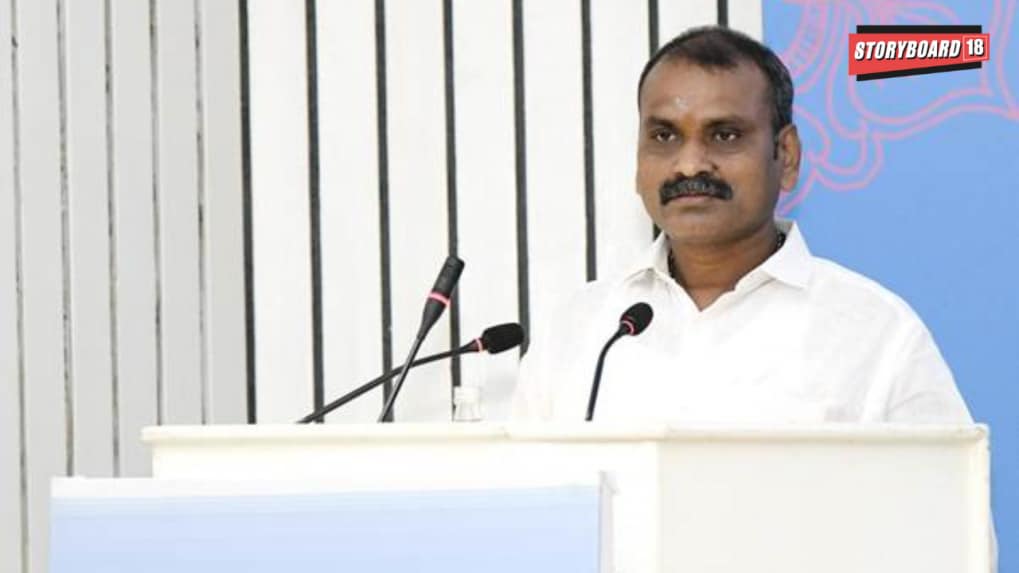
Responding to an unstarred question in the Rajya Sabha, Minister of State for Information & Broadcasting Dr. L. Murugan said the government is conducting wide consultations with stakeholders after receiving extensive feedback from the media and entertainment industry.
The clarification came after MP Saket Gokhale sought answers on whether the Ministry circulated watermarked copies of an updated 2024 draft of the Bill to select stakeholders between January and August this year, and whether that version differed from the public consultation draft released in November 2023.
He also asked for the names of stakeholders who received those confidential drafts and the reasons behind watermarking.
Murugan did not directly address the questions on restricted sharing or variations between the two drafts but confirmed that “the suggestions received from all stakeholders have been examined” and that the government is committed to “wide and extensive consultations.”
A Bill that could reshape Indian broadcasting
The Broadcasting Services (Regulation) Bill, first released for public comment on 10 November 2023, seeks to overhaul the regulatory framework governing television broadcasters, cable operators, OTT platforms, digital news entities, and potentially social media streaming. The draft proposes:
- Bringing OTT platforms under a unified broadcast regulatory architecture
- Introducing content classification norms
- Expanding government oversight and compliance obligations
- Updating rules for cable, satellite and IPTV services
- Creating a three-tier grievance redressal mechanism
The original draft triggered concern among digital publishers and broadcasters, who warned that it could blur lines between broadcasting and online publishing, expand censorship powers, and burden smaller players with compliance norms similar to traditional TV networks.
The consultation window, originally scheduled to close in December 2023, was extended twice, eventually stretching to 15 October 2024. Since then, the absence of updates, combined with reports of selective stakeholder access to modified drafts, had fueled belief that the Bill had been paused or abandoned.
The parliamentary exchange now makes it clear that the Bill remains alive and is being reshaped behind closed doors, though questions persist over transparency and the timeline for reintroduction.
While Murugan refrained from specifying when the final version will be tabled in Parliament, industry experts expect a significantly altered draft, reflecting negotiations between government regulators and large media platforms.
Stakeholders have demanded:
- Publication of the latest version for open review
- Disclosure of entities consulted during the revision process
- Clear separation between regulation of news and entertainment OTT
Originally aimed at standardising oversight across television, OTT platforms, YouTube channels, podcasts, and other digital-first content creators, the bill had raised concerns among free speech advocates over increased government control.
Storyboard18 recently reported that the proposed Broadcasting Services (Regulation) Bill, 2023, originally introduced to bring both traditional broadcasters and digital content creators under a unified regulatory umbrella, has sparked fresh debate as sources indicate that social media platforms may be left out of its ambit.
From purpose-driven work and narrative-rich brand films to AI-enabled ideas and creator-led collaborations, the awards reflect the full spectrum of modern creativity.
Read MoreLooking ahead to the close of 2025 and into 2026, Sorrell sees technology platforms as the clear winners. He described them as “nation states in their own right”, with market capitalisations that exceed the GDPs of many countries.