How it Works
WPP, Havas, Omnicom: Are advertising’s biggest holdcos recasting agencies as AI Operating Systems?
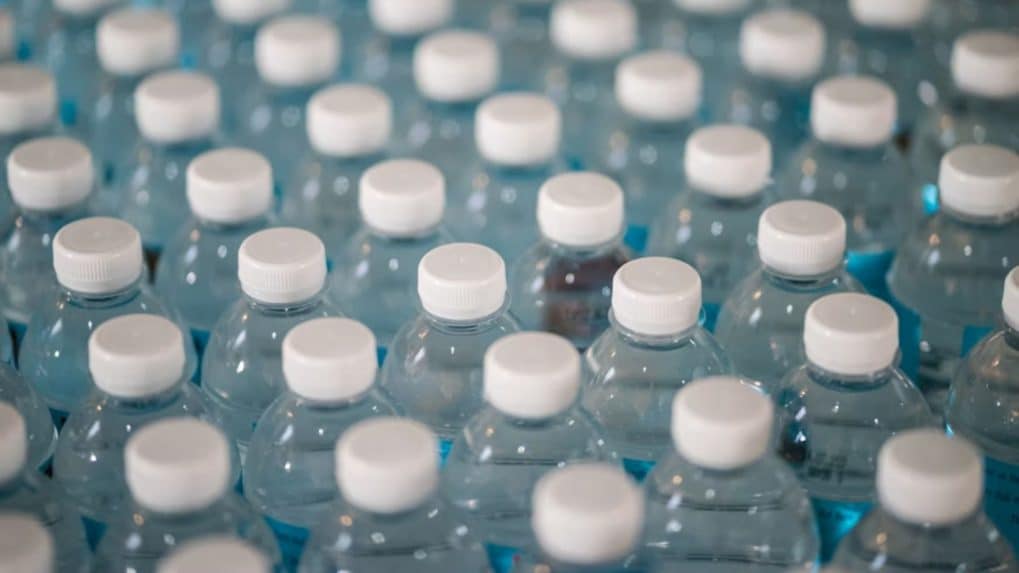
India’s food safety regulator has formally ended the long-standing requirement for mandatory Bureau of Indian Standards (BIS) certification for packaged drinking water and mineral water, while simultaneously tightening regulatory oversight through a detailed and compulsory scheme of testing that will come into force from January 1, 2026.
In an order dated December 17, 2025, the Food Safety and Standards Authority of India (FSSAI) said it has gazette-notified the omission of the provision mandating BIS certification under the Food Safety and Standards (Prohibition and Restriction of Sales) Regulations, 2011. The change follows an earlier notification issued on October 17, 2024.
As a result, bottled water manufacturers will no longer be required to carry the BIS certification mark.However, FSSAI made it clear that the removal of BIS certification does not dilute compliance expectations.
Instead, the regulator has introduced a comprehensive “Scheme of Testing” for packaged drinking water (excluding packaged natural mineral water) and mineral water, which all food business operators (FBOs) must strictly follow.
Under the new framework, manufacturers will be required to maintain detailed test records to establish conformity, ensure packaging meets the Food Safety and Standards (Packaging) Regulations, 2018, and subject their entire production to specified levels of control. All production must continue to comply with Schedule IV of the Food Safety and Standards (Licensing and Registration of Food Businesses) Regulations, 2011, which lays down hygiene and good manufacturing practices.
A key focus of the new regime is microbiological safety.
FSSAI has mandated monthly testing for a wide range of contaminants, including coliform bacteria, faecal streptococci, Staphylococcus aureus, Pseudomonas aeruginosa, yeast and mould, Salmonella, Shigella, and Vibrio species. Any microbiological non-compliance will trigger immediate corrective action, including a full investigation, retesting of stock, and a requirement to demonstrate satisfactory results across five consecutive batches before production and dispatch can resume. Records of such incidents must be preserved for at least five years for regulatory review.
The scheme also tightens controls on source water.
Manufacturers must test raw water for all prescribed parameters through FSSAI-notified NABL-accredited laboratories before use. Any change in water source will require fresh testing and regulatory compliance before commercial production can restart. In cases where radioactive residues are detected, the source must be abandoned immediately and the affected water recalled, with the food authority informed without delay.
Packaging materials, including plastic bottles, jars, pouches, glass bottles, cartons and aluminium cans, must conform to existing food packaging regulations, with additional scrutiny during inspections. Reused containers of five litres and above will be permitted only if they are durable, hygienic and free from damage.
The move shifts regulatory emphasis from certification to continuous compliance and testing. While the removal of mandatory BIS certification may ease one layer of compliance, the expanded testing, documentation and audit requirements are expected to raise the bar on operational discipline for bottled water manufacturers operating in India’s highly competitive packaged water market.
From purpose-driven work and narrative-rich brand films to AI-enabled ideas and creator-led collaborations, the awards reflect the full spectrum of modern creativity.
Read MoreThe Storyboard18 Awards for Creativity have unveiled a Grand Jury comprising some of India’s most influential leaders across advertising, business, policy and culture, positioning it among the country’s most prestigious creative award platforms.