Advertising
From Pink Slips to Silent Sidelining: Inside adland’s layoff and anxiety crisis
Omnicom Media Asia Pacific (OM APAC) has released its 2026 Trends Report, offering a detailed view of the forces shaping media, technology and consumer behaviour across the region. Drawing on recurring themes observed over the past year and at CES 2026, the report focuses on agentic artificial intelligence, the redefinition of brand influence, co-creation with consumers and the expanding creator economy.
The analysis is based on regional and local data from third-party sources including GWI, alongside consultations with OM APAC’s local market teams, giving the report a grounded view of how global technology shifts are playing out across Asia Pacific.
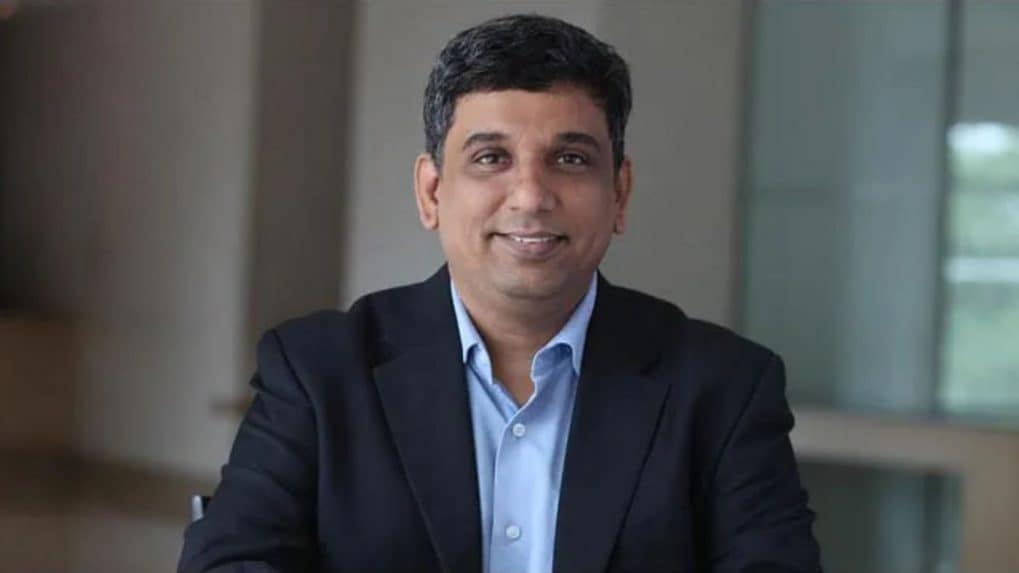
Kartik Sharma, CEO, Omnicom Media India, said 2026 marks a pivotal moment for the group’s operations in the country. “2026 is a defining year for Omnicom Media India as we move from integration to acceleration. With our arsenal of connected capabilities, our focus is on helping brands unlock growth by understanding Indian consumers, category dynamics, and the powerful role technology will play in shaping both. AI will remain a strategic force for our industry – a critical enabler powering intelligent decision-making, accelerating innovation, and redefining how brands connect with consumers,” Sharma said, adding that the group’s role is to translate change into measurable business impact for brands.
Against this backdrop, the report outlines 10 trends that brands should monitor closely as they plan for 2026.
Everyday life, enabled by intelligent technology
A central theme of the report is the shift towards technology that anticipates consumer needs and reduces the need for manual intervention. This transition is being driven by the growing ubiquity of artificial intelligence and the gradual convergence of digital and physical identities.
At CES 2026, agentic AI and AI-powered applications dominated product showcases, spanning health technology, smart homes and autonomous mobility. These solutions point to a future where intelligence-led systems deliver highly personalised, context-aware experiences as part of everyday life.
AI itself is becoming more functional and embedded. Since 2023, its use has moved away from purely creative experimentation towards assistive and productivity-focused applications. The report notes that 64% of consumers across key APAC markets already use AI for productivity, while seven in 10 organisations are either deploying or actively piloting AI agents within their workflows.
Discovery is also being reshaped by intelligence. Even traditional search platforms are evolving, with AI-powered summaries now embedded into search results. This has led to 1.6 times more closed browsing sessions, as users receive answers without navigating multiple websites, fundamentally changing how brands are discovered online.
At the same time, advances in ambient intelligence are enabling systems that respond to passive inputs from sensors rather than explicit commands. Such capabilities have significant implications for sectors such as healthcare, where AI can triangulate data from multiple sources to detect symptoms or flag potential diagnoses, even when consumers are unable to articulate their needs clearly.
The convergence of physical and digital identity is another critical shift. Several ASEAN countries are rolling out national digital identity wallets, such as Singapore’s SingPass, in line with the ASEAN Digital Masterplan’s push towards cross-border digital IDs. Combined with regulations mandating identity verification on social platforms, including Malaysia’s Online Safety Act, this points to a future web where online and offline identities are effectively unified.
For brands, this environment calls for content that is optimised for large language model ingestion and more sophisticated data architectures supported by clean rooms. For consumers, it implies a growing comfort with granting technology limited autonomy to make decisions that improve convenience and quality of life.
Consumers move from audience to collaborators
The report also highlights a fundamental rebalancing of brand influence. In an ecosystem shaped by social commerce, AI-driven discovery, smart devices and spatial computing, brands can no longer rely on one-way communication. Instead, influence is built through consistent, authentic participation in spaces where consumers can respond, engage and co-create.
Social media now plays a central role in this shift. Livestreaming, once associated with major broadcast events, is increasingly linked to everyday social interaction. Four in five viewers now associate live streaming with daily chats, reflecting how social, gaming and e-commerce platforms have integrated live video and interactive features such as gifting and real-time purchasing.
Second-screen behaviour further amplifies this effect. Across Asia Pacific, four in five livestream viewers use smartphones alongside primary screens, scanning QR codes, clicking links or participating in online conversations related to live events. This adds a more intimate layer to mass-reach moments and extends their commercial impact.
E-commerce, meanwhile, has eroded the structural advantages traditionally enjoyed by large brands. With consumers able to compare options instantly and share feedback widely, trust has become a more important driver than convenience. The report finds that 61% of consumers believe most big companies look for ways to take advantage of shoppers, underscoring the importance of transparency and authenticity.
Notably, one in four consumers in Asia Pacific is more likely to promote brands they feel involved with. Interactive formats such as livestreams, connected TV, polls and physical brand activations not only deepen engagement but also generate valuable consumer insight for future campaigns.
Higher expectations, broader opportunities
As attention becomes more fragmented and cultural moments more fleeting, the report argues that brands must refocus on fundamentals: understanding what consumers value and meeting them in environments they already trust. Creators, niche communities and community-led engagement remain central to this effort.
Social platforms have accelerated the formation of highly specific interest-based communities, raising expectations for authenticity, relevance and two-way interaction. To meet these demands, brands must blend technology, creativity and media innovation to deliver experiences that feel genuinely irreplaceable.
The concept of “little joys” features prominently in this context. Consumers are increasingly drawn to products and experiences that offer emotional enrichment, even in uncertain economic conditions. Luxury buyers, for instance, are shifting spend towards travel and wellness experiences perceived as long-term investments in well-being. At the other end of the spectrum, affordable indulgences such as blind box toys deliver small but frequent moments of delight, often enhanced through interactive elements like unboxing or gamified retail.
Motivation, rather than scale, is becoming the differentiator. In categories such as luxury, Asia-Pacific consumers are showing a growing preference for regional brands that combine quality with a nuanced understanding of local needs, challenging established global players.
Sport offers another lens into this shift. Female athletes, the report notes, are not merely influencers but role models. Two in five boys consider professional women athletes inspirational, and these athletes are 14% more trustworthy as endorsers. As a result, fans are 2.8 times more likely to purchase products endorsed by female athletes, reinforcing the commercial logic behind sustained investment in women’s sport.
A recalibrated value exchange
Ultimately, the OM APAC 2026 Trends Report suggests that consumers no longer evaluate brands purely on product or price. Instead, they assess the lifestyles, values and aspirations that brands enable – whether through a small collectible that offers escapism, a sporting figure who shapes a child’s worldview, or a premium experience that contributes to personal growth.
For brands looking to stay ahead in 2026, the message is clear: success will depend on articulating non-monetary value, respecting consumers as collaborators rather than data points, and using intelligent technology to enhance, rather than interrupt, everyday life.
From purpose-driven work and narrative-rich brand films to AI-enabled ideas and creator-led collaborations, the awards reflect the full spectrum of modern creativity.
Read MoreLooking ahead to the close of 2025 and into 2026, Sorrell sees technology platforms as the clear winners. He described them as “nation states in their own right”, with market capitalisations that exceed the GDPs of many countries.