Digital
Why OpenAI is hiring 100 ex-bankers: Inside the ChatGPT-maker's secret project to automate Wall Street's grunt work
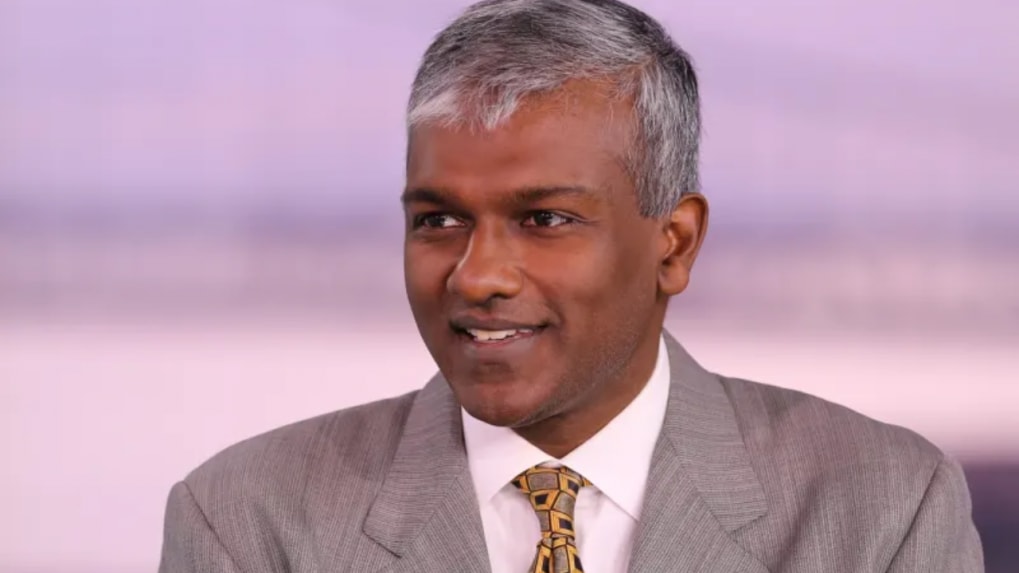
Dan Niles, founder and portfolio manager at Niles Investment Management, said the view that the artificial intelligence market has already reached its speculative peak is premature, arguing that the sector remains in its early stages and closely resembles the internet’s formative years in the late 1990s, according to comments made during an appearance on CNBC’s Money Movers.
Speaking to Carl Quintanilla, Niles said recent market volatility represents a healthy pullback rather than the bursting of an AI bubble, adding that the eventual peak and shakeout are still likely several years away. He said the market is now transitioning from an early phase where investors assumed nearly all AI-linked companies would succeed to a more selective period in which genuine long-term winners will begin to emerge, similar to past technology cycles.
Niles said the AI buildout is only around three years old, contrasting this with the dot-com era, which took roughly six years to reach its peak. He pointed out that during the internet boom, companies such as Cisco saw quarterly revenues grow by more than fifteen times by the time the bubble peaked, while NVIDIA, a key beneficiary of the current AI surge, has recorded around a nine-and-a-half-fold increase in quarterly revenues over the past three years. This comparison, he said, suggests that while growth has been substantial, it has not yet reached the extreme levels seen during the late 1990s. Niles said that, measured against the internet cycle, the AI market still has room to run before approaching a comparable peak.
He added that the early phase of the AI rally was driven by broad optimism, with investors backing almost any company associated with the technology. However, he said recent reactions to earnings from firms such as Broadcom and Micron indicate that markets are becoming more discerning, increasingly questioning which companies can genuinely translate AI investments into sustainable profits. Niles described this shift as a constructive development that allows markets to reassess valuations and focus on fundamentals. He said that, as with previous technology booms, AI is likely to see consolidation over time, ultimately producing a small number of dominant players in key areas, creating opportunities for investors who identify companies with durable advantages and credible business models.
From purpose-driven work and narrative-rich brand films to AI-enabled ideas and creator-led collaborations, the awards reflect the full spectrum of modern creativity.
Read MoreIn a wide-ranging interview with Storyboard18, Sorrell delivers his frankest assessment yet of how the deal will redefine creativity, media, and talent across markets.