Advertising
From Pink Slips to Silent Sidelining: Inside adland’s layoff and anxiety crisis
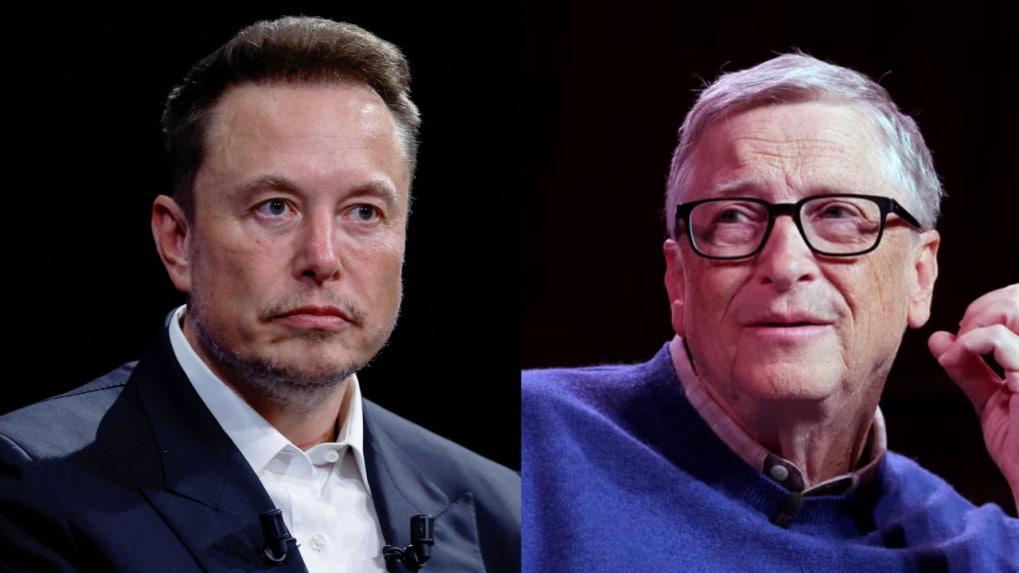
Elon Musk and Bill Gates have reignited their long-running public feud, this time over foreign aid, global health funding and claims about deaths linked to cuts in the United States Agency for International Development, or USAID.
USAID is a US government agency that provides financial assistance to developing and low-income countries, supporting vaccination drives, disease prevention programmes, hospital funding, food distribution, disaster relief, maternal health, sanitation projects and education initiatives. The agency has historically been one of the largest donors to health campaigns addressing measles outbreaks, HIV treatment and polio eradication across parts of Africa and Asia, with hospitals and non-governmental organisations in these regions relying heavily on USAID grants to supply medicines, conduct medical camps and deliver vaccines to children.
The latest dispute traces back to earlier this year, when Donald Trump began his second term as US President and appointed Musk to co-lead the Department of Government Efficiency, or DOGE, a task force set up to cut federal spending. One of DOGE’s most controversial decisions was to shut down USAID’s independent operations and freeze large portions of its funding. Musk publicly criticised the agency, described it as a criminal organisation and welcomed the move to halt the flow of taxpayer money overseas. Supporters echoed his stance, arguing that the US should prioritise domestic needs over funding health and population programmes abroad, while some critics questioned why private foundations were not stepping in to bridge the funding gap.
Gates emerged as one of the most vocal opponents of the move. The dispute between the two billionaires intensified in May, when Gates accused Musk of indirectly harming some of the world’s poorest children by backing deep cuts to foreign aid. Gates stated that reducing USAID funding risked undoing years of progress in the fight against infectious diseases and could endanger children’s lives. He also informed that hospitals in Gaza province in Mozambique had lost critical grants, which he believed may have affected efforts to control HIV transmission. Gates urged Musk to meet children affected by the funding cuts and see the consequences firsthand, framing his criticism as a moral issue involving the influence of wealthy individuals on policies that shape aid to vulnerable communities.
Musk responded sharply on X over the weekend, again targeting Gates and insisting that claims of deaths linked to USAID cuts were false and politically motivated. He stated that the Bill and Melinda Gates Foundation manages more than $80 billion in funds and suggested that Gates could personally address any health funding shortfalls if lives were truly at risk. Musk questioned why Gates did not do so himself rather than warning the public about deaths allegedly tied to aid reductions, and reiterated his accusation that Gates was lying.
What began as a personal clash has now expanded into a broader global debate on morality, accountability and responsibility. Gates has maintained that federal aid remains critical for public health outcomes in low-resource countries, while Musk has argued that such claims are overstated, lack evidence and that private philanthropy should shoulder more responsibility instead of governments relying on taxpayer money.
From purpose-driven work and narrative-rich brand films to AI-enabled ideas and creator-led collaborations, the awards reflect the full spectrum of modern creativity.
Read MoreLooking ahead to the close of 2025 and into 2026, Sorrell sees technology platforms as the clear winners. He described them as “nation states in their own right”, with market capitalisations that exceed the GDPs of many countries.