Advertising
From Pink Slips to Silent Sidelining: Inside adland’s layoff and anxiety crisis
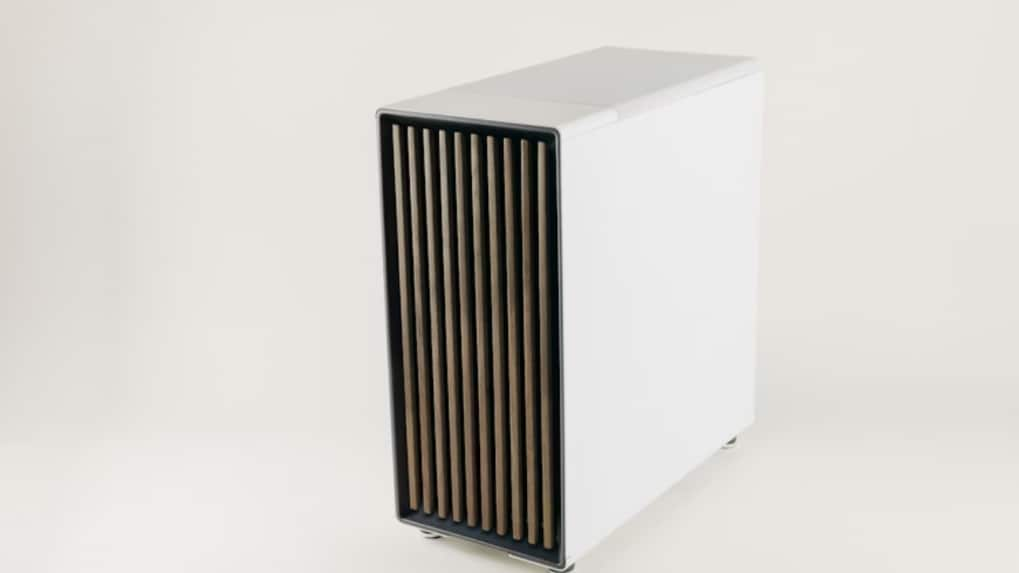
The GST Council may in its next meeting consider lowering taxes on air and water purifiers as air quality deteriorates across the country and access to safe drinking water remains uneven, according to a report by Business Standard.
Sources familiar with the matter told the publication that the GST Council could examine reducing the goods and services tax on domestically used air and water purifiers to 5 per cent from the current 18 per cent by reclassifying them as essential items instead of discretionary consumer goods. Industry estimates suggest that such a move could lower retail prices by 10 to 15 per cent, potentially improving affordability for lower-income households.
There is, however, no clarity on the timing of the next GST Council meeting. An email sent to the finance ministry seeking comment did not elicit a response until the time of going to press.
The Council last met in September for its 56th meeting, when GST rates on purifiers were left unchanged. Officials informed that the issue remains under active consideration, but any rate reduction would require consensus among state finance ministers.
Pressure on the Council has increased in recent weeks. On December 24, the Delhi high court asked the government to convene a GST Council meeting at the earliest, virtually if not physically, to consider cutting or abolishing GST on air purifiers in view of worsening air quality across the Delhi-NCR region. The Centre informed the court that such a move would open a Pandora’s box, while adding that the matter would be considered.
Additional solicitor general N Venkataraman told the court that there is a process and that the government was not stating whether the proposal would be accepted or rejected, while arguing that GST Council meetings must be held physically and cannot be convened through video conferencing.
The court’s observations followed a public interest litigation filed by advocate Kapil Madan, who argued that levying an 18 per cent GST on purifiers by treating them as luxury items undermined public health objectives.
Political pressure has also grown, with former Delhi chief minister Arvind Kejriwal urging the Centre in November to abolish GST on both air and water purifiers. Industry associations and trade bodies have similarly made representations to the government, calling for the tax rate to be reduced to 5 per cent.
Backing these demands, the Parliamentary Standing Committee on Science and Technology, Environment, Forests and Climate Change recommended in its December report that GST on air and water purifiers and their consumable parts should be reduced or abolished, stating that citizens should not be penalised for seeking clean air and safe drinking water.
From purpose-driven work and narrative-rich brand films to AI-enabled ideas and creator-led collaborations, the awards reflect the full spectrum of modern creativity.
Read MoreLooking ahead to the close of 2025 and into 2026, Sorrell sees technology platforms as the clear winners. He described them as “nation states in their own right”, with market capitalisations that exceed the GDPs of many countries.