Advertising
From Pink Slips to Silent Sidelining: Inside adland’s layoff and anxiety crisis
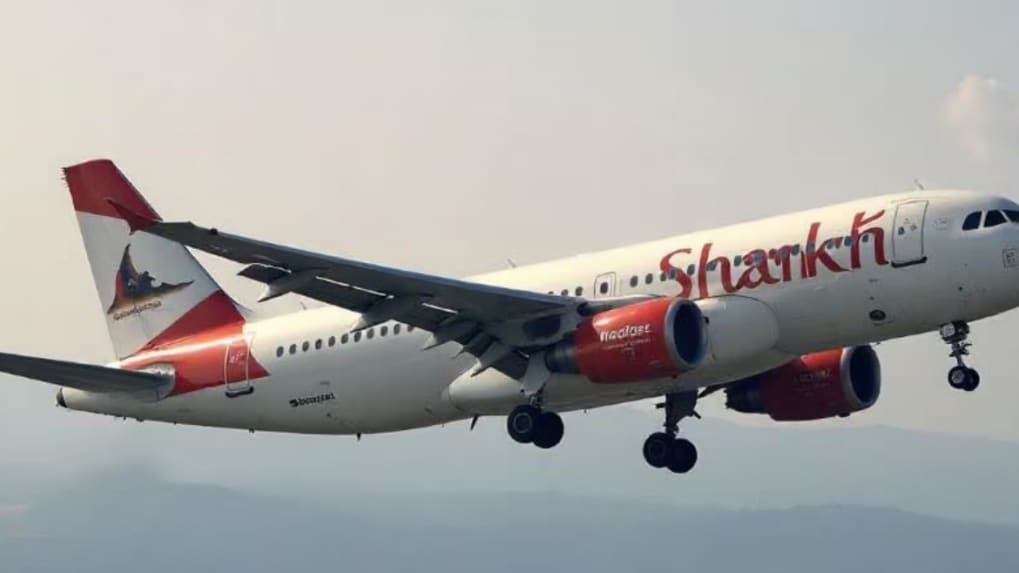
As Indian airlines increasingly rely on surge pricing to maximise yields, upcoming full-service carrier Shankh Air is preparing to take a contrarian route. The airline, scheduled to begin operations in April, claims it will operate without dynamic pricing, offering uniform fares throughout the year regardless of demand fluctuations.
Shankh Air’s Managing Director Shravan Kumar Vishwakarma has positioned the airline’s pricing philosophy as its core differentiator, saying passengers will be charged only the actual cost of transportation, without festival premiums or last-minute fare spikes.
Dynamic pricing, which adjusts ticket prices based on demand, seasonality and booking windows, has become central to airline profitability in India’s highly competitive market. Shankh Air’s rejection of this model places it at odds with industry norms, particularly at a time when fuel costs remain volatile and margins are under pressure.
Also read: India to overtake China as largest 'subscription video-on-demand' market by 2030: MPA report
According to Vishwakarma, the airline is betting on higher seat occupancy rather than yield optimisation. “Our aim is not to increase fares and push passengers away, but to seat more people by keeping prices nominal,” he said, while talking to News18, adding that the carrier is designed primarily for middle-class travellers.
The airline plans to launch operations with five Airbus A320 aircraft, focusing initially on connecting Uttar Pradesh with metro cities such as Delhi and Mumbai, along with key regional hubs. Strengthening regional connectivity while keeping fares predictable is expected to be a central part of its strategy.
Industry observers note that while fixed fares may appeal to cost-conscious travellers, sustaining such a model will require tight cost control, high utilisation rates and steady demand across seasons.
Shankh Air has secured regulatory clearances and funding through a mix of foreign bank loans and support from its parent trading businesses. The airline aims to expand domestically before entering international routes by 2028–29.
Its flat-fare experiment will be closely watched in a market where airfare volatility has frequently drawn consumer and regulatory scrutiny, making Shankh Air’s April launch a key test of whether affordability can replace surge-driven pricing as a viable aviation strategy.
From purpose-driven work and narrative-rich brand films to AI-enabled ideas and creator-led collaborations, the awards reflect the full spectrum of modern creativity.
Read MoreLooking ahead to the close of 2025 and into 2026, Sorrell sees technology platforms as the clear winners. He described them as “nation states in their own right”, with market capitalisations that exceed the GDPs of many countries.