Advertising
From Pink Slips to Silent Sidelining: Inside adland’s layoff and anxiety crisis
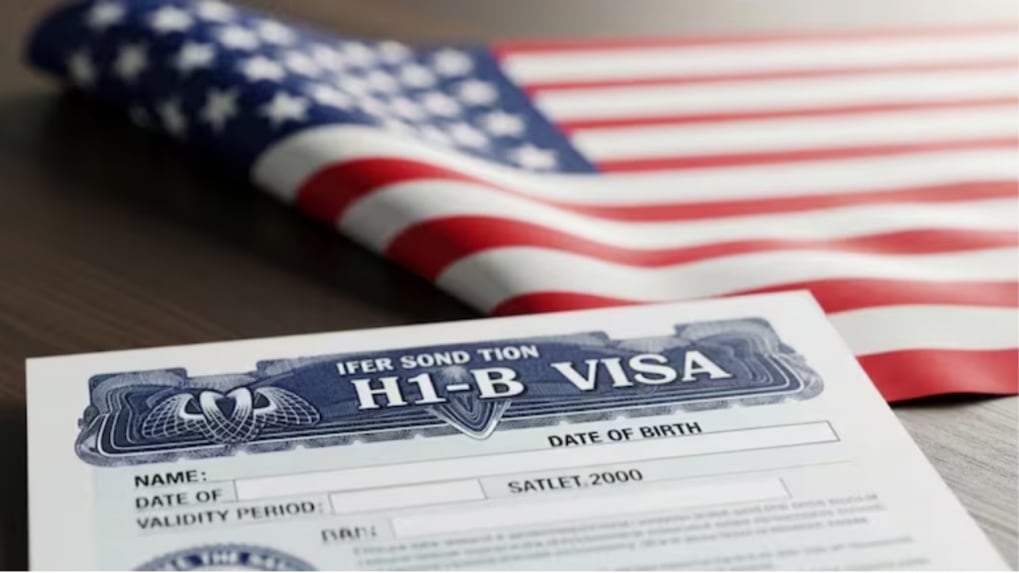
The United States is preparing to implement one of the most far-reaching changes to the H-1B visa programme in decades, overhauling the way work visas are allocated by replacing the long-standing random lottery system with a new wage-weighted selection model that gives higher-paid roles a significant advantage.
The new framework, formalised through a final rule issued by the Department of Homeland Security and implemented by the US Citizenship and Immigration Services, will come into force from the FY2027 H-1B cap season. The policy is designed to prioritise higher-skilled and higher-paid foreign workers, while continuing to allow applications across all wage levels.
Under the revised system, H-1B registrations will be weighted according to occupational and wage levels whenever demand exceeds the annual quota, a scenario that has persisted for more than a decade. While the total number of visas remains unchanged at 85,000 per year, comprising 65,000 under the regular cap and an additional 20,000 for applicants with US master’s degrees or higher, the way those slots are distributed will change substantially.
Applications tied to the highest wage category, level IV, will receive four entries in the lottery, while level III applications will receive three entries, level II two entries, and level I a single entry. Each applicant will still count only once toward the annual cap, but higher salary offers will significantly improve selection odds.
“This weighted selection process will generally favour the allocation of H-1B visas to higher-skilled and higher-paid aliens, while maintaining the opportunity for employers to secure H-1B workers at all wage levels,” DHS said in the final rule. The department added that “pure randomisation does not serve the ends of the H-1B programme,” arguing that wage-based weighting better reflects skill and economic value.
The shift carries particular importance for Indian professionals and employers. Indians account for roughly 70 to 75 percent of all H-1B visas issued annually, and the redesigned lottery is expected to favour experienced professionals, senior engineers and specialised talent, while making it harder for lower-paid, entry-level roles to secure approvals.
DHS said the overhaul responds to a long-standing mismatch between demand and supply in the H-1B programme. A purely random system, the department noted, increasingly fails to distinguish between high-value positions and lower-paid roles. By using wage levels as a proxy for skill and economic contribution, the government expects the new model to steer visas toward roles that support productivity, innovation and competitiveness, while also reducing risks of wage suppression for US workers.
Alongside the lottery redesign, compliance requirements for employers will tighten. Companies will now be required to declare wage levels, job classification codes and work locations at the registration stage, and provide documentary evidence at the petition stage. USCIS will gain broader authority to deny or revoke petitions if it identifies attempts to manipulate wages, roles or locations to improve lottery outcomes. DHS said these measures are intended to curb abuse and strengthen programme integrity.
The changes arrive against a backdrop of mounting visa uncertainty. H-1B and H-4 applicants have recently faced extended interview timelines after the US government expanded social media and online presence checks worldwide. Several major technology firms, including Google, Microsoft and Apple, have warned employees on work visas against overseas travel due to the risk of prolonged processing delays.
Legal experts say the combination of stricter vetting and a redesigned lottery points to a clear policy direction: prioritising higher-value roles while reducing perceived misuse of the H-1B system.
Despite the overhaul, DHS emphasised that the lottery will retain an element of randomness and will not fully exclude lower-wage roles, unlike earlier wage-ranking proposals that were later withdrawn. The department said this balance is intended to preserve access for employers across sectors while steering the programme toward higher-skilled, higher-paid use cases that reflect the original purpose of the H-1B visa.
From purpose-driven work and narrative-rich brand films to AI-enabled ideas and creator-led collaborations, the awards reflect the full spectrum of modern creativity.
Read MoreLooking ahead to the close of 2025 and into 2026, Sorrell sees technology platforms as the clear winners. He described them as “nation states in their own right”, with market capitalisations that exceed the GDPs of many countries.