Advertising
From Pink Slips to Silent Sidelining: Inside adland’s layoff and anxiety crisis
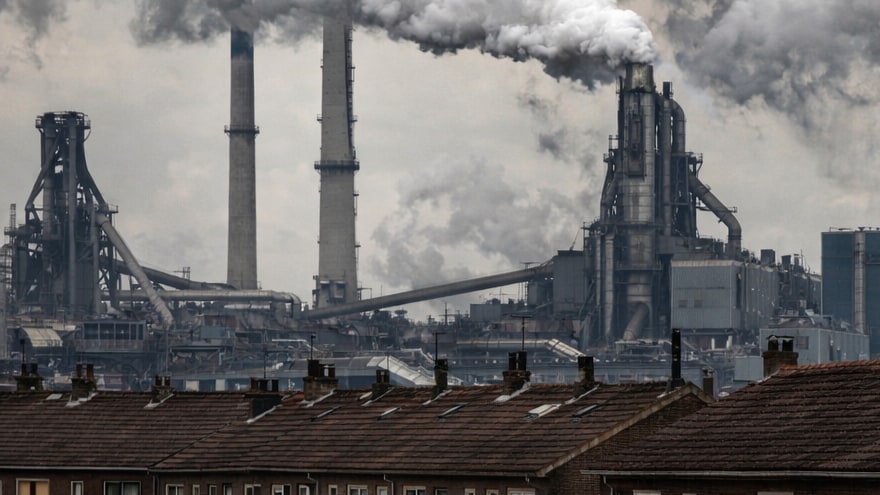
A Dutch environmental nonprofit has filed a lawsuit seeking €1.4 billion in compensation from Tata Steel’s Netherlands units, alleging that emissions from its steelmaking operations have caused environmental degradation and adverse health impacts on residents living nearby.
The nonprofit organisation, Stichting Frisse Wind.nu, has submitted legal documents to the District Court of North Holland in Haarlem, initiating collective legal proceedings against Tata Steel’s operations in the coastal village of Velsen-Noord. The claim seeks damages on behalf of residents, citing increased vulnerability to health problems and a decline in property values allegedly linked to pollution from the steelmaker’s facilities.
The lawsuit adds to growing regulatory and public pressure on Tata Steel’s European business. In 2024, Dutch authorities warned the company of potential fines approaching €27 million and threatened to shut down a coke plant at its IJmuiden site if emissions of harmful substances were not significantly reduced.
Scrutiny of the company’s environmental record in the Netherlands intensified further after Dutch prosecutors began an investigation in 2022 into whether Tata Steel and one of its partners knowingly contaminated soil, air, and water with hazardous materials.
In response, Tata Steel said it is reviewing the legal filings and maintains that it has “strong arguments” to defend its position. The company noted that the proceedings fall under the Netherlands’ collective actions framework, which typically unfolds in two phases and could take several years to reach a conclusion.
Tata Steel has announced plans to invest up to €6.5 billion in decarbonising and modernising its Netherlands operations, including projects aimed at sharply reducing emissions. The Dutch government has committed to supporting the initiative with funding of up to €2 billion, underscoring the strategic importance of the steelmaker while environmental and legal challenges continue to mount.
From purpose-driven work and narrative-rich brand films to AI-enabled ideas and creator-led collaborations, the awards reflect the full spectrum of modern creativity.
Read MoreLooking ahead to the close of 2025 and into 2026, Sorrell sees technology platforms as the clear winners. He described them as “nation states in their own right”, with market capitalisations that exceed the GDPs of many countries.