
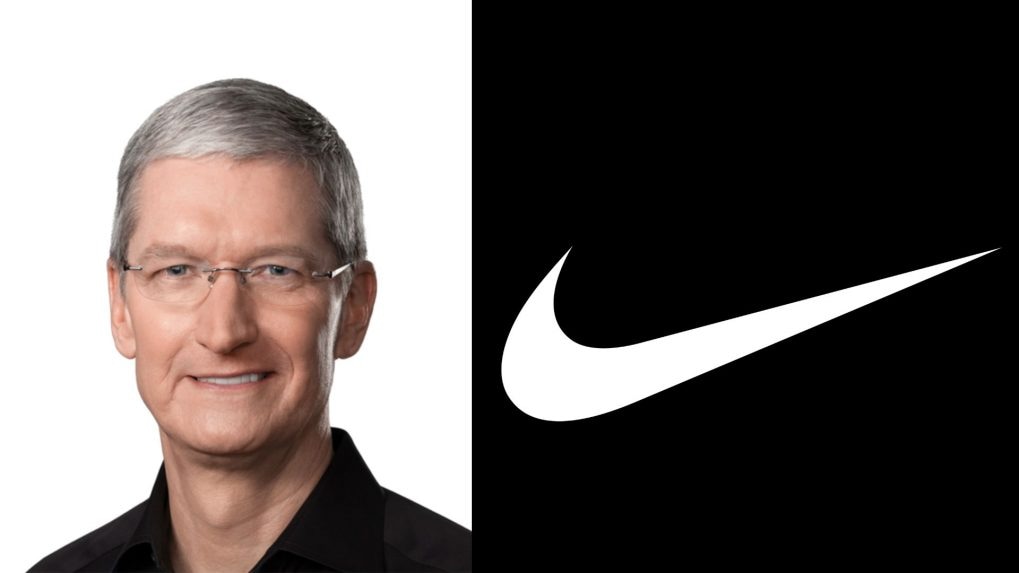
Apple CEO Tim Cook buys $3 million worth of Nike shares
The purchase comes just days after Nike reported weaker quarterly margins and sluggish sales in China, even as its new CEO Elliott Hill works to revive demand through renewed marketing efforts and product innovation

ADVERTISEMENT
Apple Inc. Chief Executive Officer Tim Cook has nearly doubled his personal stake in Nike Inc., buying shares worth about $3 million in a move that signals confidence in the sportswear maker’s turnaround strategy, according to a Reuters report.
Cook, who is also Nike’s lead independent director, held about 105,000 shares in the company as of December 22, the report said. The purchase comes just days after Nike reported weaker quarterly margins and sluggish sales in China, even as its new CEO Elliott Hill works to revive demand through renewed marketing efforts and product innovation focused on performance categories such as running and sports.
Nike’s shares have fallen nearly 13 percent since the company reported earnings on December 18, making it one of the worst-performing stocks on the Dow Jones Industrial Average in 2025.
Cook has served on Nike’s board since 2005 and became lead independent director in 2016, when co-founder Phil Knight stepped down as chairman. According to Reuters, Cook remains closely connected to Knight and has advised Nike through several major strategic decisions, including Hill’s appointment as CEO last year.
Another Nike board member, Robert Swan, former CEO of Intel, also bought about 8,700 shares worth roughly $500,000 this week, the report said.
Nike’s latest earnings highlighted the challenges facing the company. Sales in North America rose 9 percent to $5.63 billion, but revenue in the Greater China region fell 17 percent to $1.42 billion. Net income declined 32 percent to $792 million, compared with $1.16 billion a year earlier, while total revenue edged up 1 percent to $12.43 billion.
Hill said progress in China was “not happening at the level or the pace we need to drive wider change,” though he reiterated that the market remains one of Nike’s most important long-term opportunities.
Looking ahead, Nike expects fiscal third-quarter revenue to decline by a low single-digit percentage, with modest growth in North America. The company is also grappling with the impact of higher tariffs, which contributed to a three-percentage-point drop in gross margin. Inventories fell 3%, driven largely by tariff-related pressures.
The challenges contrast with the performance of European rivals. Adidas reported 10% growth in China revenues in its third-quarter results, while Puma said sales in the Asia-Pacific region fell 9%, citing a sharp decline in its Greater China wholesale business.