Advertising
From Pink Slips to Silent Sidelining: Inside adland’s layoff and anxiety crisis
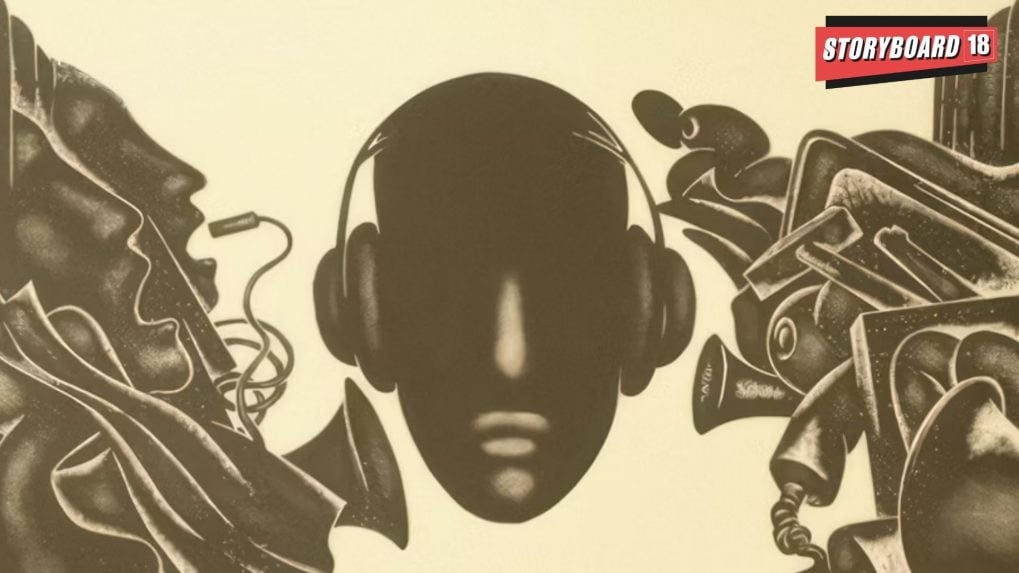
In early 2026, Taj Hotels (Indian Hotels Company Limited) made history by securing trademark registration for its iconic sound mark, marking a significant milestone in India's growing recognition of sonic branding. This sound, composed of specific musical notes, now enjoys statutory protection as part of Taj’s broader sensory branding strategy.
Taj Hotels is not alone in this initiative. Over the years, several global and Indian brands have increasingly recognized the value of protecting their sonic identities. For instance, in 2004, Yahoo! became one of the first companies to register a sound mark for its iconic "Yahoo Yodel" in India, which was granted protection in 2008. Similarly, Intel's well-known "Intel Inside" jingle, Paytm’s "Paytm Karo" jingle, and Netflix’s globally recognized "ta-dum" sound have all been trademarked, ensuring their legal protection.
In addition to these global giants, Indian brands are increasingly taking similar steps. Notably, Britannia Industries has protected its iconic jingles to prevent unauthorized use, and fintech company Paytm has trademarked its "Paytm Karo" jingle to preserve its brand identity.
Taj Hotels’ achievement signals a shift in how brands are protecting their identities in an increasingly digital world where multi-sensory experiences are key to customer engagement. But as this trend grows, one key question arises: What challenges do brands face after securing a sonic trademark?
The Role of Sound in the Digital Era
Sonic branding is no longer limited to traditional advertising; it plays a vital role in the rapidly evolving digital landscape. As more consumers engage with brands via voice assistants, smart TVs, and wearables, audio cues have become a key component of brand recognition.
Şamta Mehra, Trademark Chair at Remfry & Sagar, points out that sensory branding, including sonic marks, helps build stronger brand recall. "With the rise of AI and audio replication tools, securing legal protection for your brand's sound is essential to prevent its dilution or unauthorized use," Mehra explains.
The ease with which generative AI tools can replicate sounds has made sonic trademarks even more vital. "Generative AI has turned sound creation into child’s play," says Lavin Hirani, Managing Partner at Hirani & Associates. "Anyone with a laptop can mimic, remix, or deepfake your jingle in seconds. That’s why securing a sonic trademark has become mission-critical for brands."
Why Sonic Trademark Registration Matters
The importance of sonic trademarks extends beyond large, established brands. As Isheta T. Batra, Founder of TrailBlazer Advocates, explains, even startups can benefit from registering their audio signature early. "Many startups with distinctive audio signatures are gaining recognition. Don’t wait until you’re a household name—someone else might register your sound first," she warns.
Sonic trademarks are essential for any brand that uses a consistent audio signature, whether it’s a jingle, voice tag, or notification sound in apps. Rahul Hingmire, Managing Partner at Vis Legis Law Practice, affirms, “Any brand using a consistent audio signature should register their sound marks.”
The Legal Process for Registering Sonic Marks
India’s legal framework for sound trademarks has evolved, with the Trade Marks Act of 1999 explicitly allowing sound marks, provided they are distinctive and can be graphically represented. According to Mehra, "A sound must be perceived by the average consumer as indicating trade origin and must not serve a functional purpose."
To register a sound mark, applicants must submit both a graphical representation (such as musical notation) and an MP3 file of the sound. However, the process is not without its challenges. Distinctiveness remains a key hurdle. Many sounds, like generic jingles or simple notes, are often rejected for being too commonplace.
Even after a sound mark is registered, enforcing it remains challenging. Unlike visual marks, which can be easily compared, sound marks require specialized tools and expertise to detect infringement. "With logos, you can compare two images side by side, but with sound, you need acoustic experts and spectrographic analysis," says Siddharth Chandrashekhar, Special Public Prosecutor at the Bombay High Court.
Enforcement Challenges in the Age of AI
The rise of AI tools capable of generating “sound-alikes” further complicates enforcement. As K.P. Sivaramakrishnan, Founder of S.L. Offices, explains, "Generative AI has made replicating sounds easier than ever. Brands must be proactive in registering their sound marks before others flood the space."
This is particularly important in fast-moving digital environments, where sounds can be altered or recreated in seconds. Moreover, proving infringement becomes subjective and costly in such cases, requiring experts and resources to demonstrate that a sound is indeed "confusingly similar."
The Future of Sonic Trademarks
As the digital ecosystem evolves, the role of sound in brand identity will only continue to grow. According to Hirani, brands are often experienced through sound before visuals, particularly in environments like YouTube, Spotify, and OTT services, where logos may be minimal but sound dominates. "In a world where anyone can generate a ‘sound-alike,’ legal ownership of your sonic identity is crucial," he explains.
Batra predicts that voice commerce will become a norm in the near future, with consumers engaging with brands solely through sound. "Sonic branding already drives 45% higher brand recall in voice interactions. This is game-changing," she concludes.
Protecting Your Brand’s Sonic Identity
Despite the clear benefits, awareness of sonic trademark protection remains low. As Neeha Nagpal, Founding Partner at NM Law Chambers, points out, many brands are still unaware that they can protect their audio signatures. "Brands that invest early in protecting their sonic identity will be better positioned to control how they are experienced and remembered," Nagpal says.
However, the protection of sonic trademarks is not absolute. Functional sounds, such as engine noises or notification tones, cannot be trademarked. For a sound to qualify for trademark protection, it must have a distinct, consistent association with the brand. The trademark protects only sounds that are likely to cause confusion in a commercial context.
Looking Ahead: The Importance of Early Action
As AI-driven content becomes increasingly prevalent, brands must now consider sonic trademarks as an essential layer of brand protection. Those that act quickly will have a competitive advantage, as the market for sonic branding is still relatively new and open.
Chandrashekhar aptly sums up the situation: "Trademarking your sound isn’t just precautionary—it’s like locking your door before someone else comes in."
Sivaramakrishnan observes that with AI-driven content becoming more sophisticated, brands need to recognize that their sonic identities are now as valuable as visual logos. The battle to secure these intangible assets is just beginning, and those who act early will reap the benefits in the long run.
From purpose-driven work and narrative-rich brand films to AI-enabled ideas and creator-led collaborations, the awards reflect the full spectrum of modern creativity.
Read MoreLooking ahead to the close of 2025 and into 2026, Sorrell sees technology platforms as the clear winners. He described them as “nation states in their own right”, with market capitalisations that exceed the GDPs of many countries.