Advertising
From Pink Slips to Silent Sidelining: Inside adland’s layoff and anxiety crisis
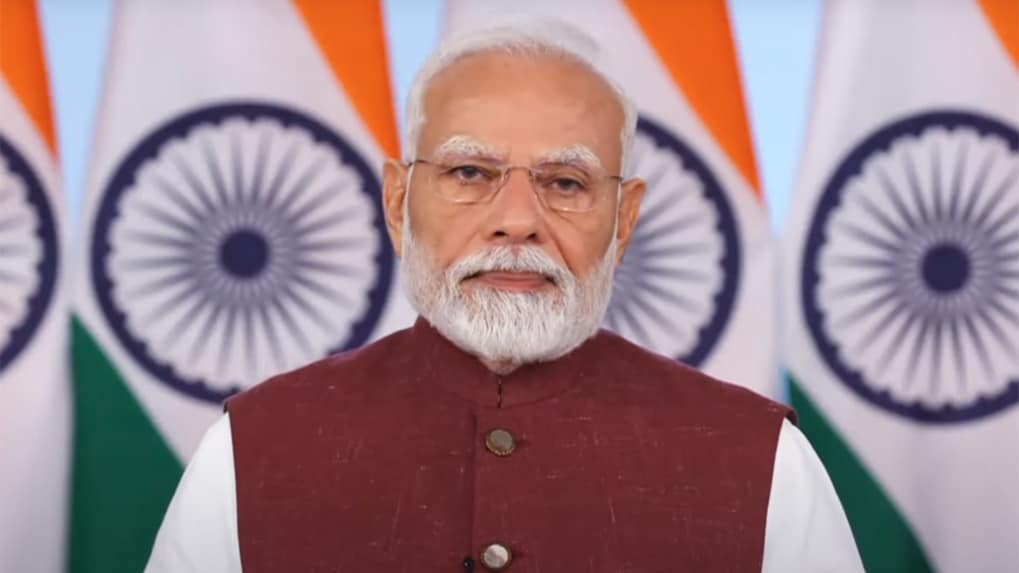
Prime Minister Narendra Modi held a closed-door meeting with a group of leading Indian AI startups to review the progress of the IndiaAI Mission, signalling that artificial intelligence has become one of the government’s top priorities for 2026, as per Moneycontrol.
The meeting, held at Modi’s Lok Kalyan Marg residence, brought together companies selected to build foundational AI models under the IndiaAI Mission. It was attended by IT minister Ashwini Vaishnaw, minister of state Jitin Prasada and MeitY secretary S Krishnan.
People familiar with the discussion told Moneycontrol that the Prime Minister wanted a direct status update on how the mission is unfolding, who the participating companies are and how their models are being developed. Several founders described it as one of the first major policy reviews Modi chose to conduct this year.
According to participants, Modi repeatedly stressed that India should aim to lead in artificial intelligence rather than settle for limited pilots. He warned against building “AI toys” that deliver convenience without lasting impact and urged startups to focus on technologies that can scale across India’s languages, regions and practical needs.
The Prime Minister also raised concerns around trust and safety, particularly the growing difficulty of verifying the authenticity of AI-generated content. One of the ideas discussed was watermarking AI-generated text, images and outputs to improve traceability and credibility.
These concerns reflect the government’s recent regulatory push. In late 2025, draft amendments to the IT Rules 2021 introduced additional compliance requirements for AI-generated content to curb misuse, including the spread of deepfakes.
Founders, in turn, flagged the challenge of distribution at scale. While Indian companies are building competitive models, they said global players benefit from deep integration across platforms and devices, making widespread adoption essential for improving quality and competitiveness.
The discussion lasted over ninety minutes and included short presentations from each company followed by an open exchange. Participants described the atmosphere as relaxed and highly engaged, with Modi interacting closely across age groups.
While no specific deadlines were announced, those present said the government expects the February IndiaAI Impact Summit to showcase outcomes that are built for Indian needs rather than simply hosted in the country.
Companies represented at the meeting included Avataar, BharatGen, Fractal, Gan, Genloop, Gnani, Intellihealth, Sarvam, Shodh AI, Soket AI, Tech Mahindra and Zenteiq.
Ganesh Gopalan, CEO and founder of Gnani.ai, old Moneycontrol the discussion reflected strong government confidence in India’s ability to build AI at scale. He added that his company is targeting the first version of its voice-to-voice model by February.
Srikanth Velamakanni, co-founder and group CEO of Fractal, told Moneycontrol that India is now positioned to build the next layer of national digital infrastructure around intelligence, particularly in healthcare. He said combining India’s existing digital systems with AI-driven healthcare tools could significantly improve health outcomes nationwide.
From purpose-driven work and narrative-rich brand films to AI-enabled ideas and creator-led collaborations, the awards reflect the full spectrum of modern creativity.
Read MoreLooking ahead to the close of 2025 and into 2026, Sorrell sees technology platforms as the clear winners. He described them as “nation states in their own right”, with market capitalisations that exceed the GDPs of many countries.