How it Works
WPP, Havas, Omnicom: Are advertising’s biggest holdcos recasting agencies as AI Operating Systems?
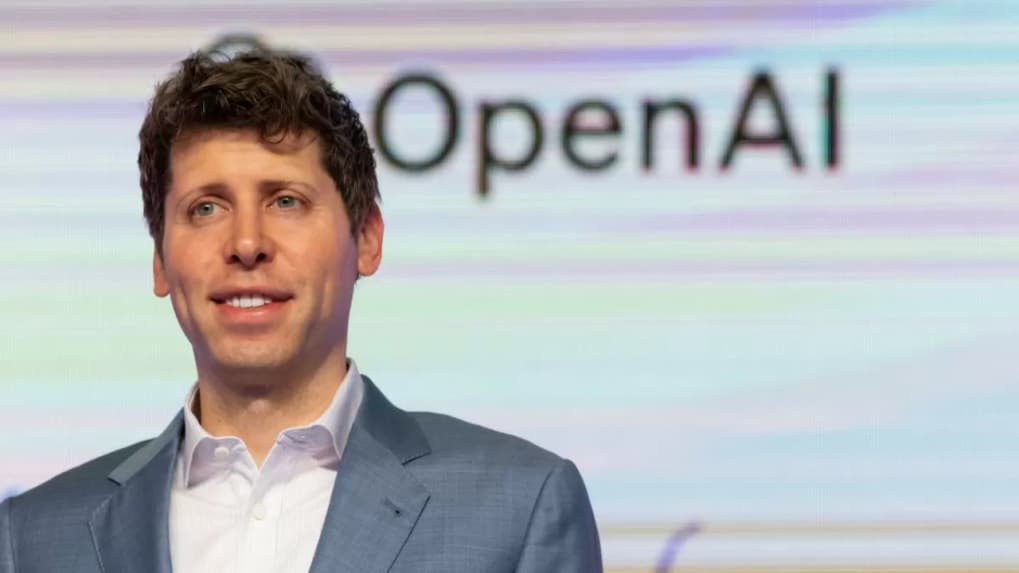
OpenAI CEO Sam Altman has outlined a possible long-term response to the growing problem of automated and AI-generated accounts on social media, pointing to biometric verification as a way to ensure that online platforms are populated by real people rather than bots.
Altman’s comments, made in the context of ongoing issues on X, the Elon Musk-owned platform, come as bot activity continues to distort online conversations across major social networks. While platforms have relied on measures such as phone verification and behavioural detection, advances in generative AI have made it increasingly easy for automated accounts to appear human at scale.
According to recent reporting, OpenAI is internally examining the idea of creating a new social network built around “proof of personhood.” The concept centres on verifying that each account corresponds to a unique individual through biometric checks, such as facial authentication via smartphones or iris-based verification tied to World, a digital identity initiative associated with Altman.
The logic behind the proposal is that biometric identifiers are inherently difficult to replicate in bulk. Unlike email addresses or phone numbers, which can be generated or acquired at scale, biometric data is designed to be unique to each individual, making mass bot creation significantly harder.
The idea reflects frustration with the persistence of bots on X, where spam replies, synthetic engagement and automated amplification continue to influence visibility and discourse despite repeated clean-up efforts. Altman has previously warned that AI-generated accounts are making online conversations feel increasingly artificial, a concern shared by researchers and platform operators alike.
However, the biometric-first approach raises substantial privacy and trust questions. Biometric data, such as facial scans or iris patterns, is permanent and sensitive. Critics argue that if such data were compromised, users would have no meaningful way to replace it, unlike passwords or phone numbers.
There are also concerns about adoption. Convincing users to submit biometric information for access to a social platform would require strong safeguards, transparency and trust, particularly when existing platforms continue to function without such requirements.
While there is no confirmed timeline or formal product announcement, the proposal highlights a broader shift in how technology leaders are thinking about identity and authenticity online. As AI systems become more capable of mimicking human behaviour, traditional verification methods may prove insufficient.
If pursued, a biometric-based social network would not solve X’s bot problem directly. But it could serve as a test case for a new model of online identity, one that prioritises human verification in an era where distinguishing people from machines is becoming increasingly difficult.
From purpose-driven work and narrative-rich brand films to AI-enabled ideas and creator-led collaborations, the awards reflect the full spectrum of modern creativity.
Read MoreThe Storyboard18 Awards for Creativity have unveiled a Grand Jury comprising some of India’s most influential leaders across advertising, business, policy and culture, positioning it among the country’s most prestigious creative award platforms.