How it Works
WPP, Havas, Omnicom: Are advertising’s biggest holdcos recasting agencies as AI Operating Systems?
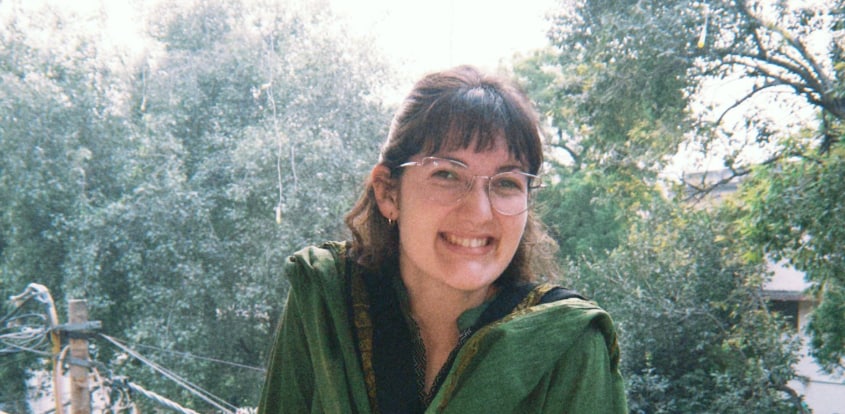
A French content creator living in India has triggered a wider conversation on national pride, civic sense and internalised negativity after sharing a post questioning why so much criticism of India, often harsh and sweeping, comes from Indians themselves.
In her tweet, she wrote that although she tries to highlight the positive aspects of living in India, each post attracts “a lot of insults towards India,” often from Indians. “The surprising part is that most of this hate came from some Indians themselves, with a strong ‘nothing will change’ attitude behind it,” she said. She added that while the country faces legitimate challenges around infrastructure, civic behaviour and education, “hating the country won’t help.”
Since posting on this channel, I’ve been focusing on the positive things I experience in India.
— Julia Chaigneau (@juliachaigneau) December 8, 2025
Not because there are no negative things, I’m not oblivious, but because there is already so much hate about the country online and in general.
Each of my posts received a lot of… pic.twitter.com/tHzZw6Cr8T
Drawing on her experience in France, she said public frustration there tends to translate into civic action. “When things didn’t work… I used to see people come down in the street and fight against it,” she wrote, adding that French citizens still show strong national pride when abroad. “For me there are so many incredible things in India that need to be acknowledged and cherished; that’s why I made my home here.”
Her post attracted a wave of responses. Some users agreed, saying India’s issues require serious introspection but not self-directed hostility. “I love India. But each time I travel abroad, I am in awe of the cleanliness, infrastructure, civic sense of locals,” one user wrote. “Criticise what’s wrong? Certainly; but hating is a big NO. We need to learn and improve.”
Another user linked the negativity to a lingering colonial mindset, commenting, “That's because many Indians are yet to come out of colonial conditioning.”
Others argued that civic activism in India has weakened due to public attitudes and state response. “That doesn't happen in India anymore,” a user wrote. “If it does, the middle class capitalists start screaming anarchy… and justify beating them.”
Some pointed out behavioural contradictions instead of systemic barriers. One user wrote, “Many live with complaining but never try to improve themselves… I have seen people complaining about traffic rules, breaking them first. Spitting or throwing waste on the road instead of a bin.”
Her tweet has reopened a familiar debate on Indian social media: how to balance valid criticism with national pride, and whether internal attitudes are holding back efforts to improve civic systems.
She concluded by urging a shift from negativity to action: “The parts that don’t work need people to come together and work on them instead of spreading negativity.”
From purpose-driven work and narrative-rich brand films to AI-enabled ideas and creator-led collaborations, the awards reflect the full spectrum of modern creativity.
Read MoreThe Storyboard18 Awards for Creativity have unveiled a Grand Jury comprising some of India’s most influential leaders across advertising, business, policy and culture, positioning it among the country’s most prestigious creative award platforms.