How it Works
WPP, Havas, Omnicom: Are advertising’s biggest holdcos recasting agencies as AI Operating Systems?
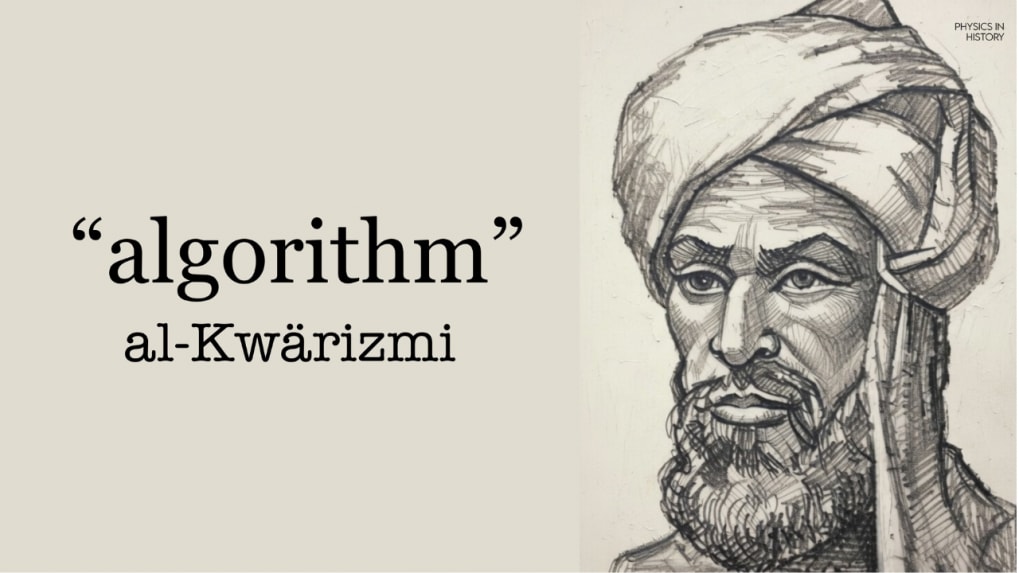
The word algorithm is commonly used today in discussions around computers, data and social media, but its meaning and origins stretch back more than a thousand years, long before the digital age.
In mathematics, an algorithm refers to a method or set of steps used to solve a problem or perform a calculation. The term is not limited to advanced computing and is equally applicable to everyday activities such as following a recipe, planning a journey or completing a task in a defined sequence. In simple terms, any step-by-step process designed to reach a specific outcome can be described as an algorithm, according to academic definitions.
The origins of the word 'algorithm'
The term algorithm is derived from the name of Muḥammad ibn Mūsā al-Khwārizmī, a Persian mathematician, astronomer and geographer born in the region of Khwarazm, which today lies across parts of Uzbekistan and Turkmenistan.
Al-Khwārizmī lived and worked in Baghdad during the Islamic Golden Age, where he was associated with the House of Wisdom, one of the most important centres of learning of the period. Around 825 AD, he wrote an influential book in Arabic on arithmetic and the Hindu-Arabic numeral system, outlining systematic methods for calculation and problem-solving.
In the early 12th century, Latin translations of his works began circulating in Europe. One such translation was titled Algoritmi de numero Indorum, meaning Al-Khwārizmī on the Hindu art of reckoning. From his name, the Latin term algorismi emerged, referring to calculation techniques using place-value notation.
Over time, the word evolved further. By the 15th century, influenced by the Greek word arithmos, meaning number, algorismi transformed into algorithmus in Latin. This eventually entered the English language as algorithm, the term widely used today in mathematics, science and computing.
The word "algorithm" comes from the name of 9th-century Persian mathematician al-Khwarizmi, whose Latinized name "algorismi" was used to refer to his systematic methods of calculation. pic.twitter.com/zmP3sdQjcL
— Physics In History (@PhysInHistory) January 20, 2026
Al-Khwārizmī and his lasting impact on mathematics
Al-Khwārizmī was a polymath whose contributions extended well beyond arithmetic. He played a foundational role in the development of algebra through his work Kitab al-Jabr wa-l-Muqabala, which introduced systematic solutions to linear and quadratic equations. His work laid the groundwork for modern algebra, earning him recognition as its founding figure.
He also helped introduce the Hindu-Arabic numeral system to the Western world, fundamentally changing how numbers were written and calculated in Europe. In addition, he produced astronomical tables known as Zij al-Sindhind and contributed to geography by refining and correcting Ptolemy’s maps to improve the understanding of the known world.
Working under the Abbasid Caliphs in Baghdad, Al-Khwārizmī’s writings were widely translated into Latin and became central to European mathematical education during the Middle Ages, according to historical accounts. His legacy continues to shape modern science, with the word algorithm standing as a lasting reminder of his influence.
From purpose-driven work and narrative-rich brand films to AI-enabled ideas and creator-led collaborations, the awards reflect the full spectrum of modern creativity.
Read MoreThe Storyboard18 Awards for Creativity have unveiled a Grand Jury comprising some of India’s most influential leaders across advertising, business, policy and culture, positioning it among the country’s most prestigious creative award platforms.