Digital
Why OpenAI is hiring 100 ex-bankers: Inside the ChatGPT-maker's secret project to automate Wall Street's grunt work
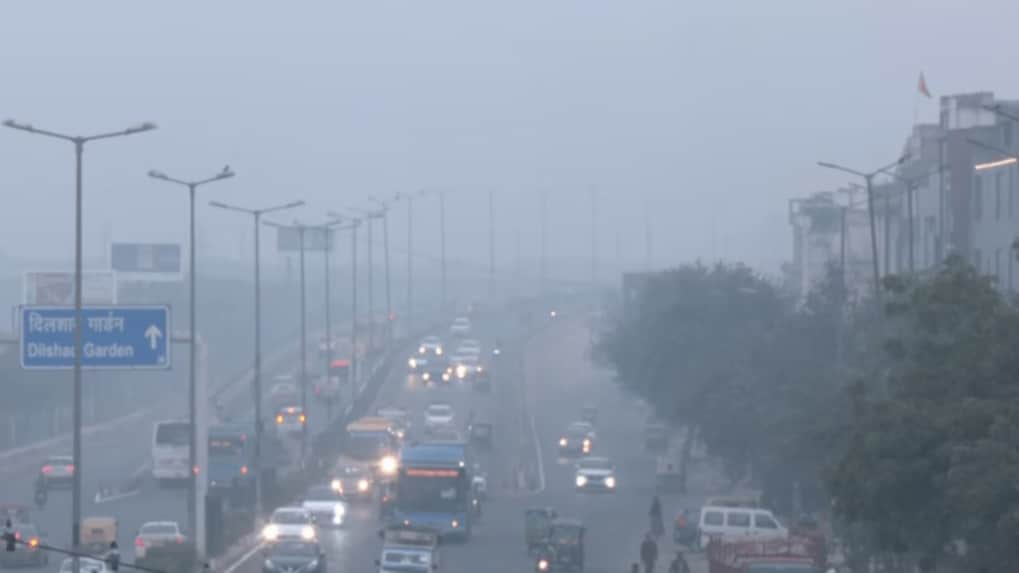
Amid sharply deteriorating air quality in Delhi and adjoining regions, the Delhi government has made work from home mandatory for 50 per cent of employees in all government and private offices in the national capital, with exemptions only for essential services such as health, police and banking, as reported by CNBC-TV18.
In another key measure, state Cabinet Minister Kapil Mishra stated that ₹10,000 would be transferred directly into the bank accounts of all registered and verified construction workers affected by the suspension of construction activity.
पॉल्यूशन को देखते हुए दिल्ली सरकार के दो बड़े निर्णय :
— Kapil Mishra (@KapilMishra_IND) December 17, 2025
1. निर्माण कार्य रुकने से प्रभावित सभी रजिस्टर्ड और वेरिफाइड निर्माण मजदूरों के खातों में ₹ 10,000 DBT होंगे
2. दिल्ली के सभी सरकारी व प्राइवेट दफ्तरों में 50% वर्क फ्रॉम होम मैंडेटरी, स्वास्थ्य जैसी आवश्यक सेवाओं के लिए… pic.twitter.com/Lh3DNeItdt
The Commission for Air Quality Management imposed Stage IV of the Graded Response Action Plan across Delhi-NCR after pollution levels spiked on December 13, bringing the strictest set of curbs under the framework. Under GRAP-IV, all construction and demolition activities have been banned in the region, including linear public infrastructure projects such as highways, roads, flyovers, power transmission lines, pipelines and telecom works, which are otherwise permitted under lower stages.
As part of the restrictions, the entry of trucks into Delhi has been stopped, except for vehicles carrying essential commodities or providing essential services, while CNG, LNG, electric and BS-VI diesel trucks are permitted. The plying of Delhi-registered diesel heavy goods vehicles of BS-IV and below categories has also been banned, with exemptions limited to essential services.
Schools in Delhi and the most affected NCR districts have been directed to operate in a hybrid mode, covering not only primary classes but also students in Classes VI to IX and XI, with the option for online attendance where feasible.
Every winter, the Delhi-NCR region enforces pollution curbs under GRAP, which categorises air quality into four stages: Stage I classified as Poor with an AQI of 201–300, Stage II as Very Poor with an AQI of 301–400, Stage III as Severe with an AQI of 401–450, and Stage IV as Severe Plus with an AQI above 450.
From purpose-driven work and narrative-rich brand films to AI-enabled ideas and creator-led collaborations, the awards reflect the full spectrum of modern creativity.
Read MoreIn a wide-ranging interview with Storyboard18, Sorrell delivers his frankest assessment yet of how the deal will redefine creativity, media, and talent across markets.