Digital
Why OpenAI is hiring 100 ex-bankers: Inside the ChatGPT-maker's secret project to automate Wall Street's grunt work
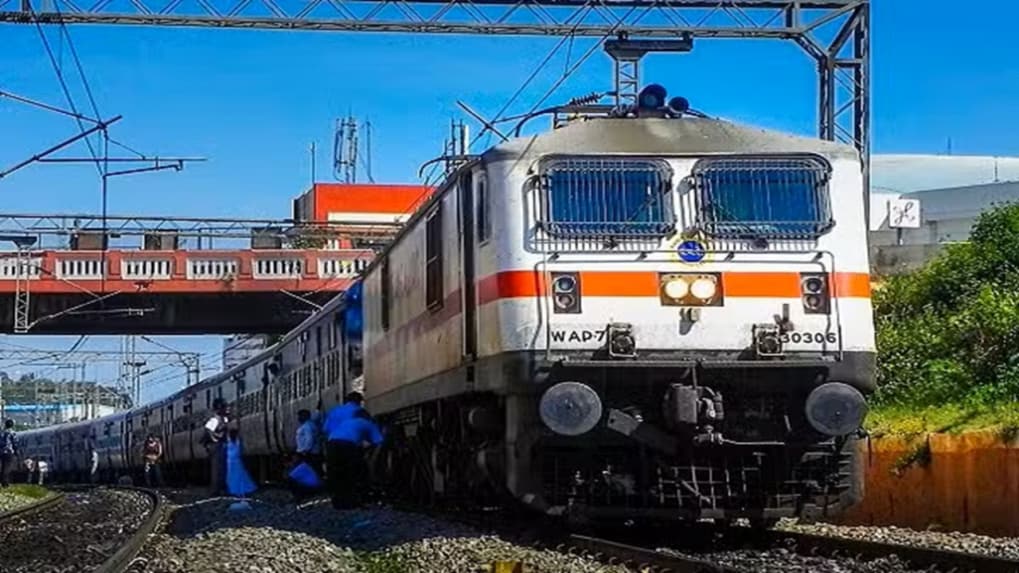
Indian Railways has generated ₹1,313 crore in non-fare revenue over the last five years through advertisements placed at railway stations and on trains, underscoring the growing importance of commercial monetisation as the national transporter looks beyond passenger fares to bolster its finances.
The data was shared by the Ministry of Railways in a written reply to the Lok Sabha on Wednesday. The earnings came from station-level and train-level advertising, including displays across station premises, platforms, foot-overbridges, and the interior and exterior surfaces of trains.
According to the ministry, advertising revenues are maintained zone-wise, as each zonal railway typically spans multiple states and Union Territories. While the government did not provide a state-wise or year-wise breakup in the reply, officials highlighted that advertising has emerged as a steady and scalable source of non-fare income for the railways at a time when operating costs continue to rise.
Advertising across railway assets is governed by a structured policy framework. Displays within station premises fall under the Rail Display Network (RDN) Policy, while advertisements in other railway areas are regulated by the Out of Home Advertising (OOHA) Policy. Branding on trains and locomotives is covered under separate mobile asset advertising policies.
All advertising contracts are awarded through e-auctions on the Indian Railways E-Procurement System (IREPS), in line with the policy on commercial earnings and non-fare revenue. The eligibility criteria for advertisers, along with display norms and restrictions, are clearly laid out in the Special Conditions of Contract, the ministry said.
As part of efforts to modernise and expand revenue streams, the Railways has been increasingly focusing on digital advertising formats. Under the RDN policy, zonal railways are now permitted to install digital screens, video walls, glow sign boards and other modern display systems at stations. Several zones have already awarded contracts for such digital assets, while Metro Railway Kolkata has introduced station co-branding initiatives, depending on local feasibility.
The ministry also stressed that mechanisms are in place to ensure that advertisements in public railway spaces do not carry misleading, harmful or non-permitted content. Compliance is enforced through contractual provisions and regular monitoring by railway administrations.
With passenger and freight tariffs under constant scrutiny, officials view advertising as a low-risk, high-visibility lever to strengthen Indian Railways’ balance sheet. The ₹1,313-crore haul over five years signals that non-fare revenues—especially from branding and digital media—are likely to play a larger role in the Railways’ future financial strategy.
Mumbai's lifeline, the railway route from Churchgate to Virar, offers significant advertising opportunities. According to a Right to Information (RTI) response, Western Railway has earned ₹219 crore from advertisements over the past five years. The Mumbai division of Western Railway hosts 127 hoardings, but challenges persist regarding alignment on multiple fronts.
The RTI data (a copy of which is with Storyboard18) reveals that advertising revenue for Western Railway surged from ₹11.47 crore in 2020-21 to ₹70.69 crore in 2023-24. As of January 2024-25, the revenue stands at ₹64.69 crore.
From purpose-driven work and narrative-rich brand films to AI-enabled ideas and creator-led collaborations, the awards reflect the full spectrum of modern creativity.
Read MoreIn a wide-ranging interview with Storyboard18, Sorrell delivers his frankest assessment yet of how the deal will redefine creativity, media, and talent across markets.