Advertising
From Pink Slips to Silent Sidelining: Inside adland’s layoff and anxiety crisis
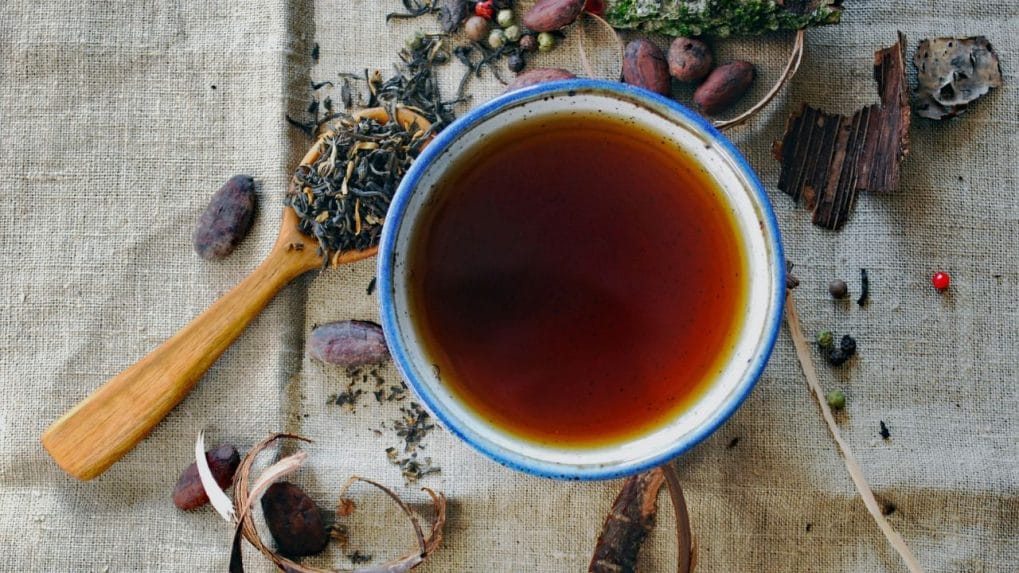
India’s food regulator, the Food Safety and Standards Authority of India (FSSAI), has issued a clear directive prohibiting food businesses from using the word “tea” for products not made from the Camellia sinensis plant, a move that could significantly impact the fast-growing herbal and wellness beverages market.
In an official clarification, the FSSAI stated that products such as “herbal tea”, “flower tea”, “rooibos tea” and similar plant-based infusions do not meet the legal definition of tea under India’s food standards. As per existing regulations, tea - including green tea, instant tea and regional varieties such as Kangra tea, must be exclusively derived from Camellia sinensis.
The regulator emphasised that using the term “tea”, either directly or indirectly, for products made from other plants is misleading to consumers and constitutes misbranding under the Food Safety and Standards Act, 2006. Current labelling norms require food packages to clearly indicate the true nature of the product on the front of the pack.
FSSAI clarified that plant-based or herbal infusions that are not derived from Camellia sinensis may instead fall under proprietary foods or require approval under the regulations governing non-specified foods and ingredients. However, such products cannot be marketed or sold as “tea” in any form.
The directive applies across the value chain, including manufacturers, packers, marketers, importers, retailers and e-commerce platforms, all of whom have been instructed to immediately ensure compliance and stop using the term “tea” for non-compliant products.
State and Union Territory food safety commissioners, along with FSSAI’s regional directors, have been asked to closely monitor the market and enforce the regulation. The authority warned that enforcement action will be initiated against violators in accordance with the law.
The clarification, issued with the approval of the competent authority, signals stricter regulatory scrutiny of product naming and claims, particularly in categories where wellness positioning and consumer perception play a key role.
From purpose-driven work and narrative-rich brand films to AI-enabled ideas and creator-led collaborations, the awards reflect the full spectrum of modern creativity.
Read MoreLooking ahead to the close of 2025 and into 2026, Sorrell sees technology platforms as the clear winners. He described them as “nation states in their own right”, with market capitalisations that exceed the GDPs of many countries.