Advertising
From Pink Slips to Silent Sidelining: Inside adland’s layoff and anxiety crisis
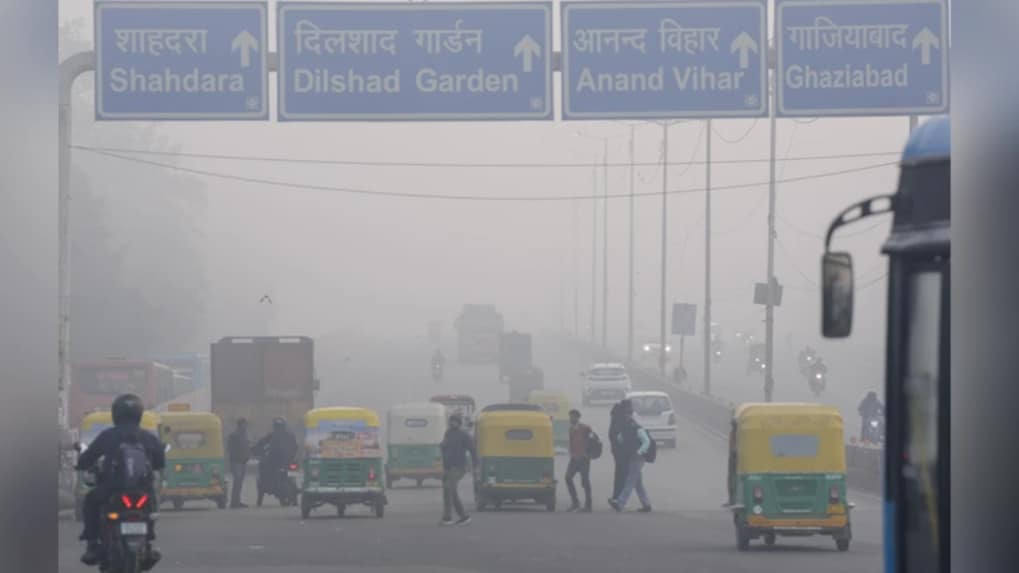
Air pollution has emerged as the biggest public health crisis India has faced since the Covid-19 pandemic and is likely to worsen every year without urgent intervention, a UK-based Indian-origin pulmonologist warned, pointing to a growing wave of largely undiagnosed and untreated airway disease, according to a PTI report.
Speaking to PTI, several senior doctors practising in the UK said a vast and hidden burden of airway disease is building beneath the surface and warned that its impact would exact a heavy and lasting toll on Indian citizens as well as the healthcare system. They linked the global rise in cardiovascular diseases over the past decade to increasing exposure to toxic emissions from urban transport, including automobiles and aircraft, across cities in India, the UK and elsewhere, rather than obesity alone.
Union transport minister Nitin Gadkari earlier this week said nearly 40 per cent of Delhi’s pollution is caused by the transport sector due to reliance on fossil fuels, while stressing the urgent need for cleaner alternatives and pushing for wider adoption of biofuels. During the recently concluded winter session of Parliament, the government informed that there is no conclusive data establishing a direct correlation between higher Air Quality Index levels and lung diseases, even as it acknowledged air pollution as a triggering factor for respiratory ailments and related conditions.
Manish Gautam, consultant pulmonologist in Liverpool and a former member of India’s Covid-19 advisory committee, told PTI that while the government’s renewed focus on controlling air pollution is necessary and overdue, the reality for millions in north India is that significant damage has already occurred. He said what is currently being addressed represents only a small fraction of the problem, with a vast and largely undetected burden of airway disease continuing to grow. Gautam cautioned that years of exposure mean a lung health emergency is unfolding and urged policymakers to prioritise early detection and treatment of airway diseases, including the creation of a rapid lung health task group.
Doctors said Delhi hospitals alone saw a 20 to 30 per cent rise in respiratory patients in December, including many first-time cases and young adults. Gautam, who has over two decades of experience with the UK’s National Health Service, added that while pollution control and prevention remain essential, they are no longer sufficient on their own and must be matched with large-scale public health interventions focused on diagnosis and care.
The government reiterated in Parliament that there is no conclusive data establishing a direct causal link between air pollution and mortality or disease. However, Rajay Narain, honorary cardiologist at St George’s University Hospital in London, told PTI there is overwhelming scientific evidence linking air pollution to cardiovascular, respiratory, neurological and systemic diseases, and warned that delays in addressing the issue would add significantly to both health and economic burdens. He said early symptoms such as headaches, fatigue, mild cough, throat irritation, digestive discomfort, eye dryness, skin rashes and recurrent infections are often dismissed as minor issues despite being potential early warning signs of serious chronic disease.
Health ministry data presented during Parliament’s winter session showed that more than 200,000 cases of acute respiratory illness were recorded in Delhi over the past three years, with around 30,000 patients requiring hospitalisation. Professor Derek Connolly, consultant cardiologist at Midland Metropolitan University Hospital in Birmingham, told PTI that even on days that appear relatively clean, residents of polluted cities are exposed to invisible cardiovascular risks. He said cardiovascular disease develops slowly with episodes of rapid deterioration and remains a silent killer, as particulate matter is invisible and not as easily measured as blood pressure or cholesterol. Connolly added that while rising cardiovascular disease has often been attributed to obesity, a significant portion may be linked to the increase in automobiles and aircraft emitting toxic substances into the air.
According to the 2025 Report of The Lancet Countdown on Health and Climate Change, PM2.5 pollution led to more than 1.7 million deaths in India in 2022, with petrol-based road transport accounting for around 269,000 of those deaths. In May, a global study by the International Council on Clean Transportation said policies aimed at reducing road transport emissions could save 1.9 million lives and prevent 1.4 million new cases of childhood asthma worldwide by 2040.
From purpose-driven work and narrative-rich brand films to AI-enabled ideas and creator-led collaborations, the awards reflect the full spectrum of modern creativity.
Read MoreLooking ahead to the close of 2025 and into 2026, Sorrell sees technology platforms as the clear winners. He described them as “nation states in their own right”, with market capitalisations that exceed the GDPs of many countries.