Advertising
From Pink Slips to Silent Sidelining: Inside adland’s layoff and anxiety crisis
India’s Gen Z was projected to command $2 trillion in collective spending power by 2035 and continued shaping consumer behaviour, cultural narratives and digital ecosystems. As part of its year-end push, Snapchat rolled out its first-ever brand campaign in India, ‘Say It In A Snap’, spotlighting how Gen Z expressed emotions, humour and culture through visuals rather than words. The campaign positioned Snapchat as the platform at the heart of this expressive, real-time communication and an ecosystem for users, creators and brands.
Gen Z doesn’t Text, they Snap!
As digital natives increasingly preferred spontaneous visuals over typed messages, Ankit Goyle, Head of India Marketing at Snap Inc., said that ‘Say It In A Snap’ was a strategic statement on where the future of connections lay—in authentic, close-knit communities. “Every Snap was real, personal and deeply expressive. For advertisers, it was an invitation to be part of these everyday visual conversations and build meaningful impact,” he added.
The campaign focused on three core audiences:
Users, who were celebrated for real connections and the freedom to express themselves creatively. Creators, who reinforced that authenticity, not filters or perfection, was what built strong communities. Advertisers, who were encouraged to participate naturally in cultural conversations rather than interrupt them. By understanding the places, moments and interests that mattered to young Indians, Snapchat, through this campaign, aimed to help brands plug into cultural currency rather than traditional advertising cycles.
Snapchat’s advanced and immersive ad formats, including Sponsored Snaps, Video Ads and AR Ads, became central to how brands sought to win Gen Z in India. Sponsored Snaps delivered full-screen vertical experiences directly to Snapchatters. AR Lenses remained Snapchat’s biggest differentiator, turning ads into interactive experiences.
The attention advantage
Snap Inc. highlighted a stark reality: the industry was facing a “Gen Z attention deficit”. Research showed that Gen Z paid 34% less attention to ads on passive, scroll-heavy platforms. Snapchat captured 2X more attention than conventional digital platforms. AR Lenses ranked at the top in driving voluntary attention, proving 2X more effective and 3X more efficient than other formats. Adding Snapchat to the media mix could increase Gen Z attention by up to 22%.
OOH takeover
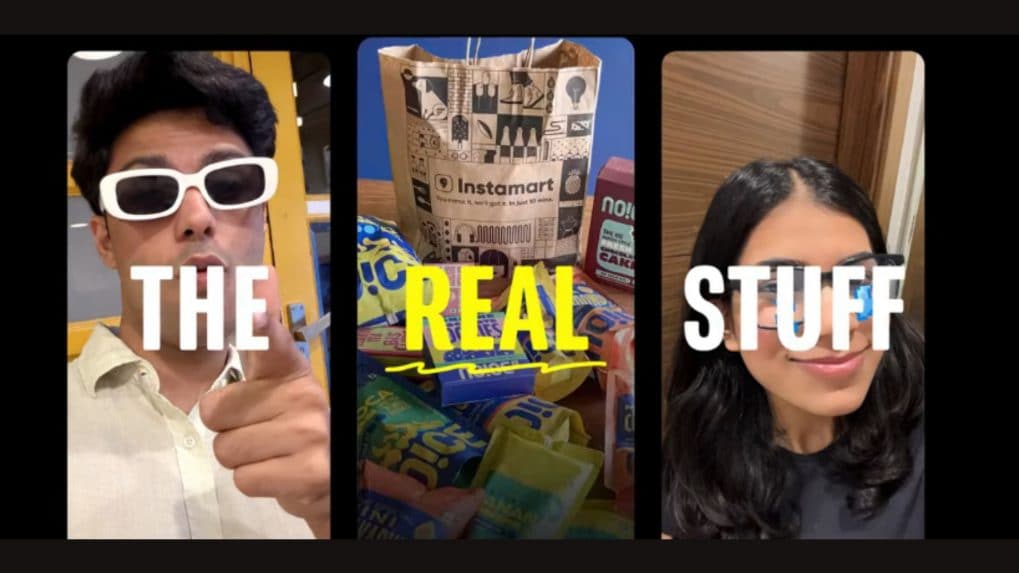
The ‘Say It In A Snap’ campaign was also rolled out across extensive OOH and DOOH touchpoints in Mumbai, Delhi NCR and Bangalore, amplifying Snapchat’s presence among India’s most dynamic Gen Z audience as the brand closed the year with a decisive cultural statement. Building on Gen Z’s cultural nuances, the campaign also featured collaborations with Amazon, Google, Maybelline, Domino’s, Instamart, Myntra and Nykaa.
How was it implemented on Print and Digital media?
Snapchat executed a high-impact, multi-platform rollout to amplify its Gen Z-first narrative. The brand took over the front pages of The Economic Times and The Times of India with a bold “Letter from Gen Z to Marketers”. The ad earned strong appreciation from industry leaders on LinkedIn. The print execution smartly wove in partnerships with Amazon, Google, Nykaa, Domino’s and Instamart, and was activated across Delhi NCR, Mumbai and Bengaluru.
Digitally, the video campaign saw heavy amplification on trade media portals, other news and social platforms extending reach and relevance within the marketing ecosystem.
(It is a branded content initiative)
From purpose-driven work and narrative-rich brand films to AI-enabled ideas and creator-led collaborations, the awards reflect the full spectrum of modern creativity.
Read MoreLooking ahead to the close of 2025 and into 2026, Sorrell sees technology platforms as the clear winners. He described them as “nation states in their own right”, with market capitalisations that exceed the GDPs of many countries.