Advertising
From Pink Slips to Silent Sidelining: Inside adland’s layoff and anxiety crisis
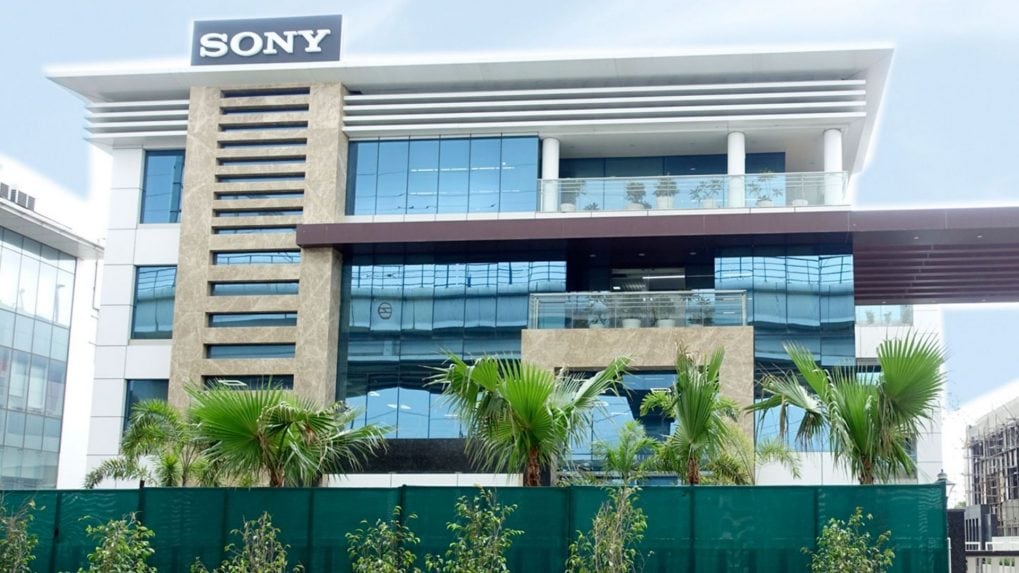
Sony India reported a 6% year-on-year decline in profit for fiscal year 2025, even as revenue posted modest growth, reflecting continued pressure on margins at the consumer electronics maker.
According to a report by PTI, Sony India’s profit for FY25 stood at Rs 157.03 crore, compared with Rs 166.99 crore in the previous financial year. Revenue from operations rose 2.44% to Rs 7,851.08 crore during the year, up from Rs 7,663.74 crore in FY24.
The company’s revenue trajectory has seen significant shifts over the past decade. Sony India had reported revenues of over Rs 11,000 crore at its peak in FY15, but sales declined in subsequent years following the parent company’s exit from the mobile phone and laptop segments in India. From FY22 onwards, however, revenues have stabilised, with the company returning to positive growth.
During FY25, the wholly owned subsidiary of Japan’s Sony Corporation increased its advertising and promotional spending by 2.61% to Rs 183.71 crore, compared with Rs 179.02 crore a year earlier. Total expenses for the year rose 2.7% to Rs 7,704.58 crore.
Royalties paid to the parent entity increased 6.78% year-on-year to Rs 276.66 crore, while total tax expense declined 4% to Rs 55.93 crore during the year.
From purpose-driven work and narrative-rich brand films to AI-enabled ideas and creator-led collaborations, the awards reflect the full spectrum of modern creativity.
Read MoreLooking ahead to the close of 2025 and into 2026, Sorrell sees technology platforms as the clear winners. He described them as “nation states in their own right”, with market capitalisations that exceed the GDPs of many countries.