Advertising
From Pink Slips to Silent Sidelining: Inside adland’s layoff and anxiety crisis
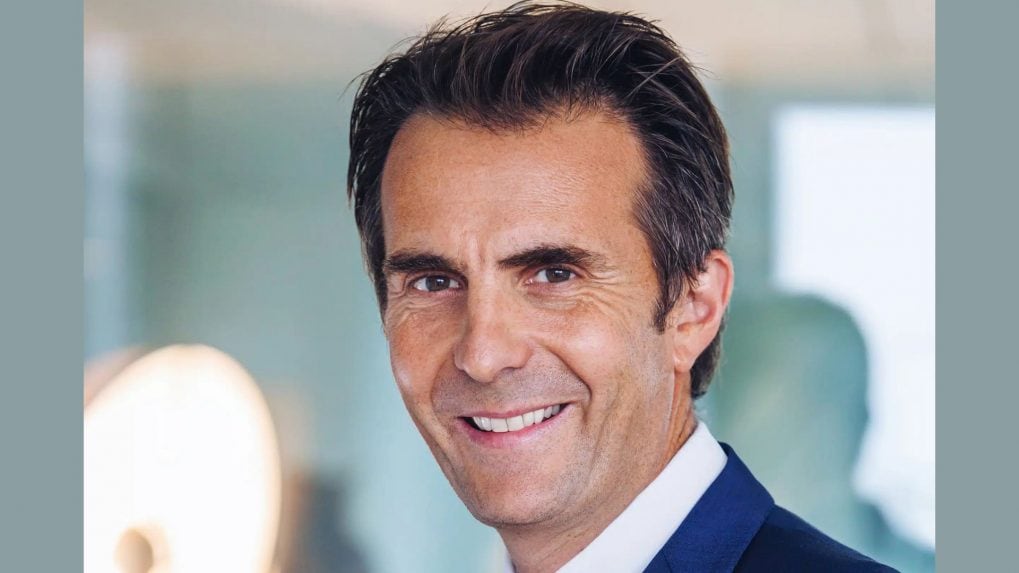
Consumer Electronics Show, or CES 2026, is the annual technology expo organised by the Consumer Technology Association (CTA), where the latest products and innovations in consumer electronics and tech are unveiled. The event began on January 6 and runs through January 9 in Las Vegas.
Among the attendees is Yannick Bolloré, Chairman and CEO of Havas. Reflecting on the event, Bolloré said, “There’s no better place to start the year than #CES2026, surrounded by clients, partners and teams who are driving what comes next. This week isn’t just about technology; it’s about shaping the future of our industry, and moments like these matter because they show who leads and who follows.”
On the topic of AI, Bolloré emphasised that artificial intelligence is no longer a distant promise—it’s already reshaping how people think, create and deliver.
Read More: “There’s a lot of smoke and mirrors around AI,” says Havas Chairman and CEO Yannick Bolloré
“At Havas, we embraced this shift long before it became a buzzword, and we’re excited about the endless possibilities it opens for us and our clients. Today it’s embedded in everything we do: accelerating intelligence, deepening collaboration, and connecting creativity, media, and technology.”
At CES 2025, Storyboard18 reported, citing CNBC-TV18, that technological advancements—from hyper-personalised AI-powered campaigns to immersive experiences via augmented and virtual reality—highlighted the future of consumer engagement. AI continued to lead the conversation, fueling real-time, emotion-sensitive campaigns, while AR and VR offered transformative advertising opportunities, enabling consumers to interact with products in entirely new ways.
From purpose-driven work and narrative-rich brand films to AI-enabled ideas and creator-led collaborations, the awards reflect the full spectrum of modern creativity.
Read MoreLooking ahead to the close of 2025 and into 2026, Sorrell sees technology platforms as the clear winners. He described them as “nation states in their own right”, with market capitalisations that exceed the GDPs of many countries.