How it Works
WPP, Havas, Omnicom: Are advertising’s biggest holdcos recasting agencies as AI Operating Systems?
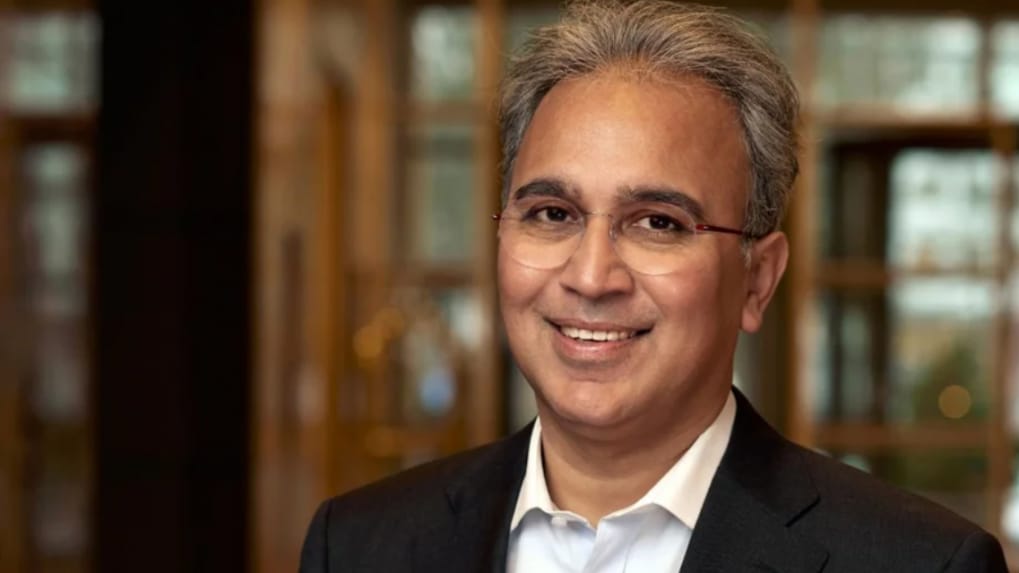
Indian business leaders at the World Economic Forum (WEF) in Davos underlined artificial intelligence, global trade opportunities and domestic economic reforms as central priorities for India’s growth agenda amid an uncertain geopolitical environment.
Rajiv Memani, President of the Confederation of Indian Industry (CII), in conversation with CNBC TV18, said discussions at Davos were shaped by geopolitical developments, though recent policy signals from the US helped stabilise investor sentiment. He noted that global markets reacted positively after US President Donald Trump withdrew a proposed 10% tariff related to Greenland, easing concerns of a broader trade escalation.
According to Memani, artificial intelligence emerged as a dominant theme in private meetings and bilateral discussions at the forum. He said conversations increasingly focused on how AI applications are moving beyond experimentation and becoming integral to business decision-making and productivity.
Beyond technology, Memani pointed to renewed momentum around trade partnerships, as countries seek to diversify supply chains and strengthen economic ties. He highlighted the proposed India–European Union Free Trade Agreement, expected to conclude on January 27, as a significant opportunity to improve market access and attract investment from Europe.
On trade relations with the United States, Memani said timelines remain unclear, although recent remarks from President Trump suggest scope for a favourable agreement.
Turning to domestic priorities, Memani stressed the need for Budget 2026 to accelerate structural reforms and support domestic manufacturing. He suggested a stronger disinvestment programme, proposing a target of ₹750 billion to ₹1 trillion, which could be channelled toward capital expenditure and enhance India’s competitiveness.
Healthcare also featured prominently in discussions. Suneeta Reddy, Managing Director of Apollo Hospitals, said artificial intelligence has become unavoidable for businesses, particularly in healthcare delivery. She emphasised the importance of reskilling India’s workforce to adapt to rapid technological change.
Reddy also flagged challenges within India’s healthcare taxation framework, describing the current goods and services tax structure as complex, and said it may not be a major focus in the upcoming Budget. However, she identified preventive healthcare as a critical investment area, warning that non-communicable diseases could impose a $4 trillion economic cost on India over time.
Additionally, Reddy highlighted opportunities in medical manufacturing, noting that India is well positioned to supply healthcare products to other emerging markets at scale and at lower costs.
From purpose-driven work and narrative-rich brand films to AI-enabled ideas and creator-led collaborations, the awards reflect the full spectrum of modern creativity.
Read MorePraveen Someshwar, Managing Director and CEO of Diageo India, joins the Grand Jury of the Storyboard18 Awards for Creativity, highlighting the awards’ focus on work that blends cultural relevance with strategic and commercial impact.