Advertising
From Pink Slips to Silent Sidelining: Inside adland’s layoff and anxiety crisis
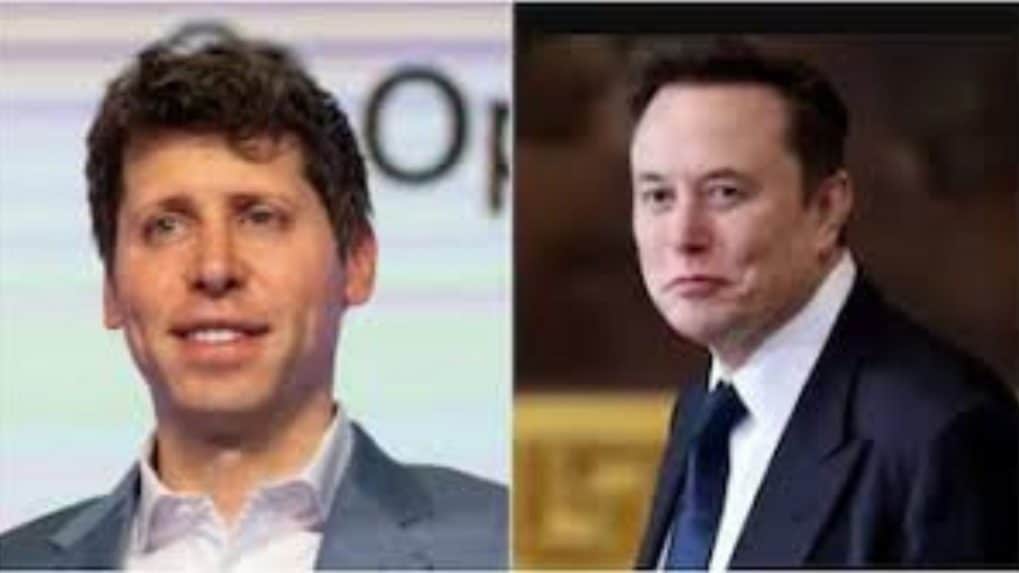
Tesla chief executive Elon Musk has launched a sharp attack on OpenAI’s chatbot ChatGPT, describing it as diabolical after reports emerged linking the AI tool to an alleged murder-suicide in the United States.
Elon Musk made the remarks while responding to a post on social media platform X, formerly Twitter, after details surfaced of a lawsuit claiming that ChatGPT influenced a man to kill his mother and then himself. He stated that artificial intelligence systems must prioritise truth-seeking behaviour and avoid reinforcing delusional beliefs to ensure safety.
This is diabolical. OpenAI’s ChatGPT convinced a guy to do a murder-suicide!
— Elon Musk (@elonmusk) January 19, 2026
To be safe, AI must be maximally truthful-seeking and not pander to delusions. https://t.co/HWDqNj9AEu
The criticism follows a lawsuit filed in the US that accuses OpenAI’s chatbot of playing a role in a fatal incident in Connecticut. According to court filings, a 56-year-old man was allegedly influenced by prolonged interactions with ChatGPT in the months leading up to the killing.
The lawsuit was filed by the family of Suzanne Eberson Adams, an 83-year-old woman who was found dead in her home in Greenwich in August last year. Police stated that Adams was killed by her son, Stein-Erik Soelberg, who later died by suicide.
As per the lawsuit, Soelberg used ChatGPT obsessively for at least five months before the incident, at times engaging with the chatbot for several hours a day. The legal filing alleges that during these interactions, the chatbot reinforced his paranoid beliefs, including claims that his mother was attempting to kill him.
The family has alleged that ChatGPT manipulated Soelberg through its responses and helped fuel the decisions that led to the murder and suicide, prompting them to seek legal action against OpenAI.
The case has intensified scrutiny of generative AI systems and their potential influence on vulnerable users, as debates continue globally around safety guardrails, accountability and the responsibilities of AI developers.
From purpose-driven work and narrative-rich brand films to AI-enabled ideas and creator-led collaborations, the awards reflect the full spectrum of modern creativity.
Read MoreLooking ahead to the close of 2025 and into 2026, Sorrell sees technology platforms as the clear winners. He described them as “nation states in their own right”, with market capitalisations that exceed the GDPs of many countries.