How it Works
WPP, Havas, Omnicom: Are advertising’s biggest holdcos recasting agencies as AI Operating Systems?
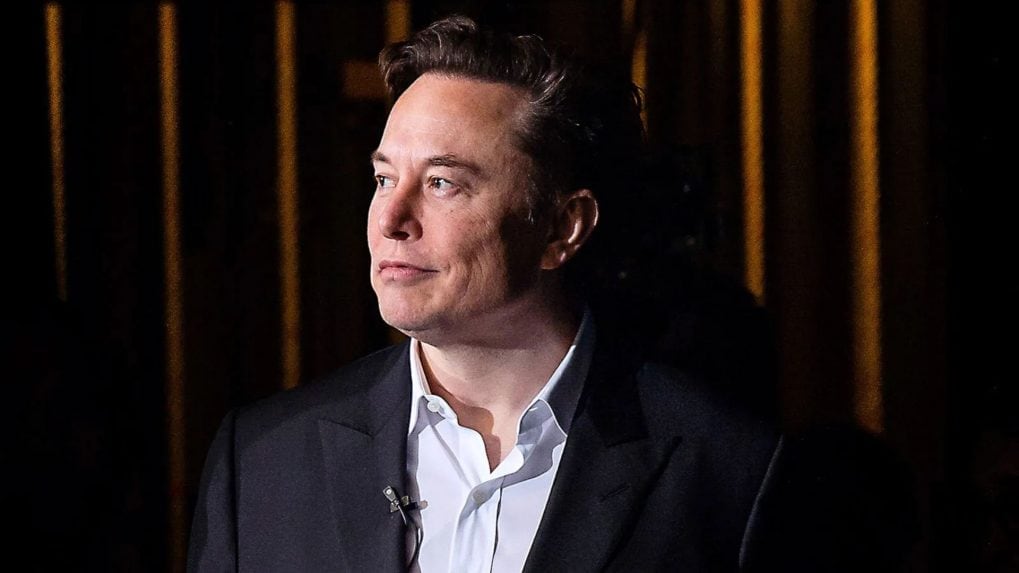
SpaceX has formally acquired Elon Musk’s artificial intelligence startup xAI, creating what is being described as the world’s most valuable private company, the spaceflight firm announced on Monday.
According to a TechCrunch report, Elon Musk, who serves as chief executive of SpaceX, informed employees in a memo published on the company’s website that the merger is largely driven by plans to build data centres in space, an idea he has increasingly focused on in recent months. Musk stated that current advances in artificial intelligence rely on large terrestrial data centres that demand vast amounts of power and cooling, adding that global electricity demand for AI cannot be met through land-based infrastructure in the near term without placing strain on communities and the environment. xAI has previously been accused of contributing to such strain in communities near its data centres in Memphis, Tennessee.
Bloomberg News, which first reported the completion of the deal, said the merger values the combined entity at $1.25 trillion. SpaceX has reportedly been preparing for an initial public offering as early as June this year, although it remains unclear whether the merger will alter that timeline, with Musk making no reference to an IPO in his memo.
The deal brings together two Musk-led companies facing distinct financial pressures. Bloomberg reported that xAI is currently burning approximately $1 billion per month, while Reuters said SpaceX generates up to 80 per cent of its revenue from launching its own Starlink satellites. Last year, xAI acquired X, the social media platform also owned by Musk, with Musk stating at the time that the combined valuation stood at $113 billion.
In his memo, Musk stated that building space-based data centres would require a constant stream of many satellites, without specifying a number, effectively guaranteeing SpaceX a sustained source of revenue for the foreseeable future. This model is further reinforced by regulatory requirements from the Federal Communications Commission that mandate satellites be de-orbited every five years.
Despite the long-term ambition of orbital data centres, SpaceX and xAI continue to pursue very different near-term goals. SpaceX is focused on demonstrating that its Starship rocket can transport astronauts to the Moon and Mars, while xAI is racing to compete with established artificial intelligence leaders such as Google and OpenAI.
The Washington Post reported on Monday that pressure on xAI has intensified to the extent that Musk loosened restrictions on its chatbot, Grok, a move that contributed to the tool being used to generate non-consensual sexual imagery of adults and children.
Musk also leads Tesla, The Boring Company and Neuralink. Tesla and SpaceX have previously invested $2 billion each into xAI, further underlining the deep financial and strategic links between Musk’s companies.
From purpose-driven work and narrative-rich brand films to AI-enabled ideas and creator-led collaborations, the awards reflect the full spectrum of modern creativity.
Read MoreThe Storyboard18 Awards for Creativity have unveiled a Grand Jury comprising some of India’s most influential leaders across advertising, business, policy and culture, positioning it among the country’s most prestigious creative award platforms.