Advertising
From Pink Slips to Silent Sidelining: Inside adland’s layoff and anxiety crisis
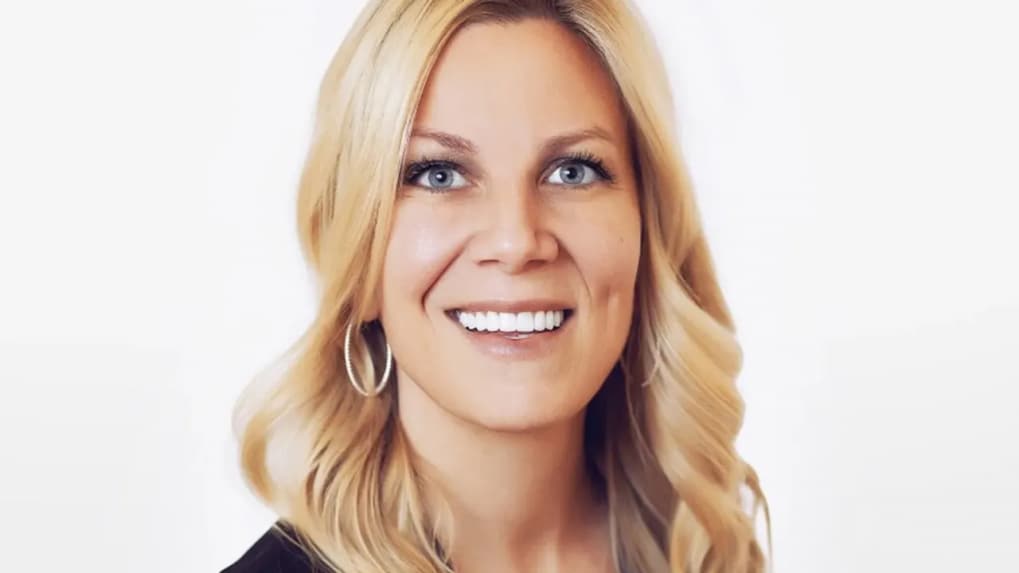
Laura Maness, global CEO of WPP-owned advertising agency Grey, has stepped down after three years at the helm.
Maness announced her departure during a global town hall meeting in New York on 2 October, according to reports. Grey has confirmed that the role will not be replaced, with the agency instead moving to a co-leadership structure.
The leadership changes come in the wake of wider organisational shifts at Grey. Earlier this year, in May 2025, the agency’s reporting lines moved from AKQA to Ogilvy, though Grey continues to operate as a standalone brand under the Ogilvy umbrella.
Under the new structure, global chief creative officer Gabriel Schmitt and global chief client officer Jason Kahner, a two-decade Grey veteran, will jointly lead the agency. Schmitt will focus on creative output, while Kahner will oversee client relationships. Both will work closely with global chief strategy officer Jonathan Lee to form what the company describes as a leadership “trifecta.”
Market leadership across regions remains unchanged, with Agnes Fischer continuing to lead Grey New York, Conrad Persons heading the London office, and Sarah Trombetta overseeing the Asia-Pacific region.
No specific reason for Maness’s departure has been disclosed.
From purpose-driven work and narrative-rich brand films to AI-enabled ideas and creator-led collaborations, the awards reflect the full spectrum of modern creativity.
Read MoreLooking ahead to the close of 2025 and into 2026, Sorrell sees technology platforms as the clear winners. He described them as “nation states in their own right”, with market capitalisations that exceed the GDPs of many countries.