Advertising
From Pink Slips to Silent Sidelining: Inside adland’s layoff and anxiety crisis
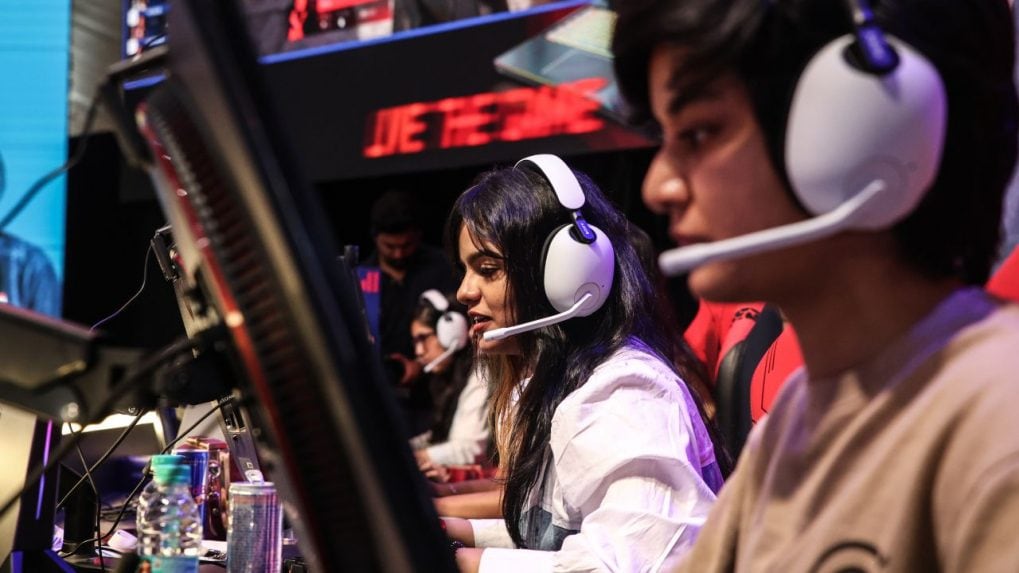
Monetisation opportunities in esports are emerging as a key driver of professional ambitions among Indian gamers, with streaming and creator-led revenue models increasingly seen as the most viable entry point into the ecosystem. A first-ever national survey by YouGov, commissioned by JetSynthesys, shows that 77% of daily Indian esports players believe clear opportunities already exist in streaming and monetisation, underscoring how digital platforms are reshaping career pathways beyond tournament winnings.
This growing confidence around monetisation is translating into serious professional intent. Nearly three out of four Indian esports players have considered pursuing esports as a full-time career, while 83% believe the sector is financially viable, according to the study. The findings come at a time when esports in India is moving from regulatory uncertainty to clearer structure following the enactment of the Promotion and Regulation of Online Gaming Act, 2025, strengthening the commercial foundations of the ecosystem.
The survey reveals a growing ambition among Indian gamers to pursue esports as a full-time profession. However, concerns around financial stability, long-term career pathways and ecosystem support continue to temper this enthusiasm.
According to the study, nearly three out of four Indian esports players have considered turning professional, signalling a significant shift in how gaming is being perceived—from a recreational activity to a viable career choice. The findings come at a time when the sector has gained clearer regulatory recognition following the enactment of the Promotion and Regulation of Online Gaming Act, 2025, in August last year, which marked a transition from ambiguity to a more structured framework for esports in India.
The survey shows strong confidence among players regarding the economic potential of esports. As many as 83% of daily Indian esports players believe the sector offers financial viability as a career, with 49% describing it as a very viable option. This growing belief is translating into intent, as a large proportion of respondents indicated serious consideration of long-term professional careers within the ecosystem.
Importantly, career aspirations are no longer confined to competitive gameplay alone. While 81% of respondents expressed interest in becoming professional players or streamers and content creators, more than half—56%—said they are keen to explore roles such as coaches, analysts, team managers or event organisers. This points to a broader understanding of esports as a multi-layered ecosystem encompassing performance, strategy, content creation and operations.
Streaming and monetisation have emerged as the most mature segments within the ecosystem. Around 77% of Indian esports players said they see clear opportunities in streaming and monetisation today, making it the most accessible and visible revenue pathway beyond tournament winnings. This highlights the growing role of platforms and digital audiences in enabling professional aspirations.
Despite the optimism, the study underscores persistent structural challenges. Financial instability and the lack of long-term career pathways remain among the most significant concerns, with 87% of respondents citing these issues among their top three worries. Social acceptance also continues to be a barrier, as 82% pointed to family support, societal stigma and broader acceptance as key challenges influencing their career decisions.
When asked about what would meaningfully strengthen the ecosystem, players overwhelmingly prioritised long-term enablers. Government recognition and regulation, improved infrastructure such as gaming cafés and esports arenas, and access to structured career counselling and mentorship were identified as critical growth drivers, with nearly nine out of ten respondents rating each as important. Institutional adoption also found strong backing, with 93% of players supporting the inclusion of esports in college and university-level sports events. Alongside this, close to 90% emphasised the importance of private-sector involvement through brand sponsorships, scholarships, and formal coaching and training academies.
Perceptions of esports as a legitimate sport are also evolving. Nearly 59% of daily Indian esports players now consider esports to be on par with physical and mental sports such as chess, acknowledging the discipline, preparation and skill involved. Acceptance of professional gamers as athletes is gaining ground, with 69% comfortable referring to esports professionals as “athletes”. Notably, 40% of respondents already identify themselves as athletes, indicating a shift in self-perception within the community.
The study further suggests that esports audiences in India are beginning to behave like traditional sports fans. About 80% of respondents said they watch esports tournaments or leagues at least once or twice a month. Awareness levels are also high, with 85% familiar with at least one major competition such as the BGMI Mobile India Series, the Esports Asian Games or leagues like the Global eCricket Premier League.
Beyond entertainment, esports is increasingly being associated with skill development. A large majority—87%—linked professional esports with capabilities such as strategic thinking, adaptability, reflexes, hand–eye coordination and quick decision-making under pressure. In addition, 71% highlighted discipline, rigorous practice, focus and concentration, while 64% pointed to problem-solving abilities and mental resilience as key outcomes of competitive gaming.
Commenting on the findings, Rajan Navani, Founder and CEO of JetSynthesys, said the study captures a pivotal moment for the industry. “What stands out is the clarity with which Indian esports players are thinking about the future, not just in terms of opportunity, but in terms of longevity and legitimacy. The next phase of growth must focus on building durable pathways, credible institutions and support systems that allow talent to progress sustainably. This is how India moves from participation to leadership in global esports,” he said.
Overall, the report highlights an inflection point for Indian esports. While player confidence and intent are firmly established, the challenge now lies in aligning policy, infrastructure and ecosystem development to convert momentum into sustainable careers, stronger institutions and a globally competitive esports industry.
The survey covered more than 1,500 daily Indian esports players aged 18–44 across Tier 1 and Tier 2 cities, including Mumbai, Delhi, Bengaluru, Chennai, Hyderabad, Kolkata, Pune, Ahmedabad, Lucknow and Patna.
From purpose-driven work and narrative-rich brand films to AI-enabled ideas and creator-led collaborations, the awards reflect the full spectrum of modern creativity.
Read MoreLooking ahead to the close of 2025 and into 2026, Sorrell sees technology platforms as the clear winners. He described them as “nation states in their own right”, with market capitalisations that exceed the GDPs of many countries.