Advertising
From Pink Slips to Silent Sidelining: Inside adland’s layoff and anxiety crisis
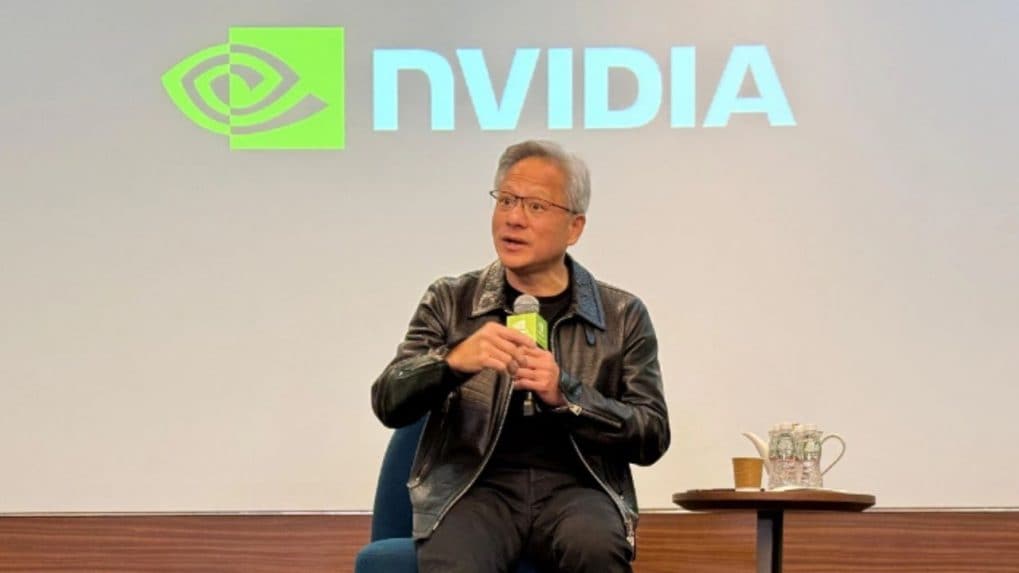
Nvidia chief executive officer Jensen Huang has triggered debate across the software industry after saying he wants engineers to spend virtually no time writing code and instead focus on identifying and solving problems that have yet to be addressed, with artificial intelligence taking on most of the coding work.
Huang made the remarks during recent interviews and public discussions in which he outlined how AI tools are reshaping the nature of engineering work at Nvidia. He stated that coding should be viewed as a task rather than the core objective of engineering, adding that the real value lies in problem discovery and solution design.
According to Huang, Nvidia engineers now rely extensively on AI-powered coding assistants, allowing syntax-heavy and repetitive programming work to be delegated to machines. This, he said, frees human engineers to concentrate on higher-level thinking, including system architecture, algorithmic development and tackling complex, unresolved challenges.
He framed this shift as a move from task-based execution to purpose-driven work, stating that while AI handles repetitive execution, humans provide intent, direction and judgement. In his view, this approach enhances productivity and encourages deeper innovation rather than simply accelerating code production.
To illustrate his argument, Huang has drawn comparisons with the field of radiology, stating that earlier predictions that AI would replace radiologists proved incorrect. Instead, the profession expanded as AI took over image-reading tasks, enabling radiologists to focus on broader responsibilities such as diagnosis and improving patient outcomes. He said a similar transformation is likely in software engineering, where AI-written code could allow engineers to address more complex and strategic problems.
However, Huang’s outlook has not been universally accepted. Developers and AI tool builders have raised concerns that excessive reliance on AI-generated code without sufficient oversight could introduce technical debt and reliability risks. Studies have also suggested that AI coding assistants do not consistently improve productivity for experienced developers, particularly in large and complex systems.
Despite these concerns, Huang’s vision does not remove the need for engineers but instead redefines their role. As AI capabilities advance, engineers may spend less time writing code and more time setting objectives, validating outcomes and making critical decisions. While the broader impact on the developer workforce remains uncertain, Huang’s comments signal a clear direction for how Nvidia views the future of engineering work.
From purpose-driven work and narrative-rich brand films to AI-enabled ideas and creator-led collaborations, the awards reflect the full spectrum of modern creativity.
Read MoreLooking ahead to the close of 2025 and into 2026, Sorrell sees technology platforms as the clear winners. He described them as “nation states in their own right”, with market capitalisations that exceed the GDPs of many countries.