Advertising
From Pink Slips to Silent Sidelining: Inside adland’s layoff and anxiety crisis
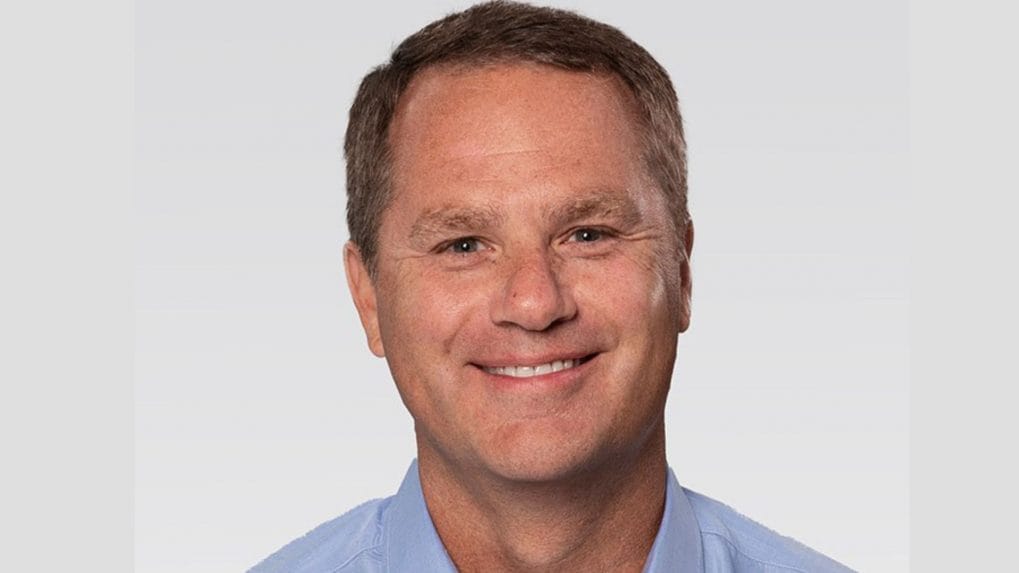
Walmart’s outgoing chief executive Doug McMillon earned $27.5 million (about Rs 248 crore) in total compensation in his final year at the helm, underscoring the widening gap between executive pay and frontline wages at the world’s largest retailer.
According to a Fortune report, McMillon’s compensation package included a base salary of $1.5 million, stock awards valued at $20.4 million, and $4.4 million in non-equity incentive pay. During his tenure as CEO, Walmart reported annual revenues of roughly $905 billion.
McMillon’s rise at Walmart has long been cited as an example of internal mobility. He joined the company in 1984 as an hourly warehouse worker, unloading trailers for $6.50 an hour. In contrast, his final-year compensation translates to roughly $3,127 an hour as chief executive.
McMillon’s pay reflects a broader trend among top corporate leaders. In 2024, Apple chief executive Tim Cook earned $74.6 million, while Tesla CEO Elon Musk received a pay package that attracted criticism over income inequality. Separately, an Equilar analysis cited by Fortune showed that Rick Smith, chief executive of defence technology company Axon, earned $164.5 million, despite the company’s market value standing at $45.5 billion.
Walmart said John Furner will succeed McMillon as President and Chief Executive Officer, effective February 1, 2026. McMillon will retire on January 31 but remain on the company’s board until the next annual shareholders’ meeting to support the leadership transition.
Furner has served as President and CEO of Walmart US since 2019, leading the retailer’s largest business segment, which includes nearly 4,600 stores. Like McMillon, Furner began his career at Walmart as an hourly associate in 1993 and has since held senior roles across merchandising, operations and sourcing.
From purpose-driven work and narrative-rich brand films to AI-enabled ideas and creator-led collaborations, the awards reflect the full spectrum of modern creativity.
Read MoreLooking ahead to the close of 2025 and into 2026, Sorrell sees technology platforms as the clear winners. He described them as “nation states in their own right”, with market capitalisations that exceed the GDPs of many countries.