How it Works
WPP, Havas, Omnicom: Are advertising’s biggest holdcos recasting agencies as AI Operating Systems?
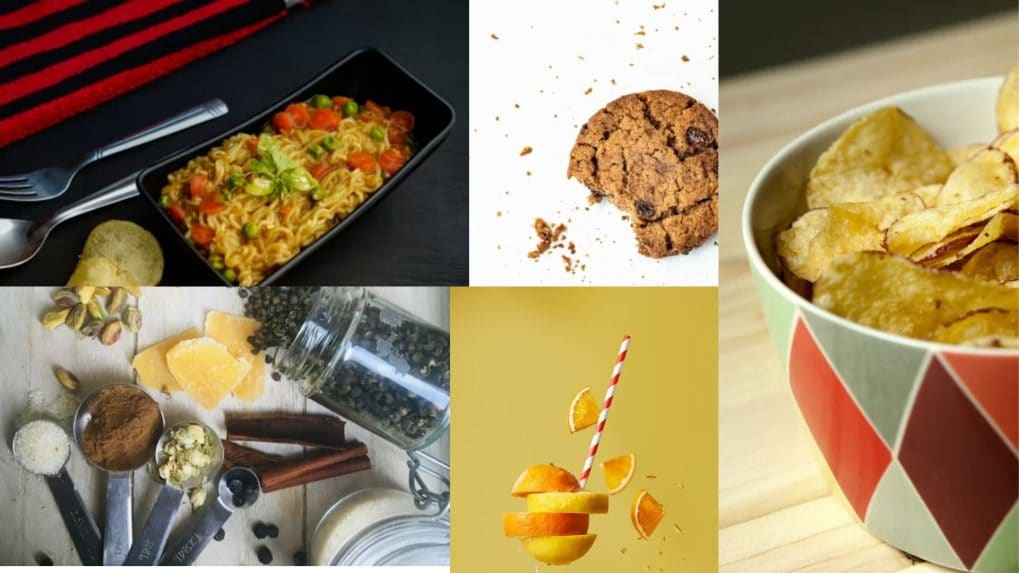
India's fast-moving consumer goods (FMCG) companies are in the midst of a steady reinvention, borrowing tactics from young home-grown startups, challenging their dominance. From Tata Consumer to Hindustan Unilever, Nestle India, and Britannia Ltd, the country's largest food companies are aggressively expanding into "healthy food" categories, responding to the rapid rise of small brands that have tapped into the anxieties and aspirations of a new generation of health-conscious consumers.
The shift is no longer cosmetic, but structural, say experts. Britannia recently launched NutriChoice 100% millet cookies, underscoring its bet on alternative grains. "We have relaunched our Tiger Glucose under the Tiger Doodh Glucose with a recipe change," said Varun Berry, MD of Britannia, signalling how even legacy mass bands are being reformulated. At Tata Consumer Products, the focus has been on building depth in its Sampann portfolio. Sunil D'Souza, Managing Director and CEO, said the expansion into dry fruits and cold-pressed oils has significantly accelerated growth. "The dry fruits and the cold-pressed oils which we have launched, I think, have only accelerated the growth," he said.
Reliance Consumer Products (RCPL) has taken a more acquisitive route, buying a majority stake in a joint venture with Naturedge Beverages, which owns the Shunya brand of zero-sugar, herb-infused drinks, an explicit play for ingredients-conscious consumers.
Reena Mehta, Professor - General Management, K J Somaiya Institute of Management, said the industry-wide pivot reflects a deeper rethinking of formulations. "FMCG companies are reformulating mainstream products to reduce sugar, sodium, and saturated fats, while incorporating whole grains, millets, nuts, seeds, and natural ingredients," she said, adding that the rise of plant-based, gluten-free, and protein-rich preferences has further accelerated the transition.
The commercial opportunity is substantial. Karthik Ganesan, Partner at Bain & Company, estimates that India's branded packaged healthy snacks market, currently valued at around Rs 6,000 crore, will grow at a high-teens pace of 17-19% over the next 5-6 years, reaching nearly Rs 20,000 crore by 2030.
Rising lifestyle diseases, increasing influence of fitness creators, growing scrutiny of ingredient labels, a troubling rise in middle-aged cardiac cases, and the widening reach of quick commerce platforms are all fuelling demand, industry experts say.
Yet, it is the insurgent brands that have reset consumer expectations. Demand has surged for no-maida, gluten-free, low-or no-sugar snacks, along with baked or roasted formats and a revival of millets such as ragi in chips, crackers, and cookies--popularised by brands like Slurrp Farm and Tata Soulfull. Seed- and nut-based snacks (chia, pumpkin, flax) have gone mainstream through brands like True Elements and The Whole Truth.
Beverages and snacks sweetened with jaggery, dates, or coconut sugar are becoming everyday choices, while Western formats such as protein bars, granola, and nut bars have seen multi-fold growth, powering brands like Yogabar and Max Protein.
Large FMCG companies, flush with cash, are no longer relying solely on internal innovation. Over the past two years, nearly 10 major players have acquired stakes in health-focused brands. These include ITC's merger with Sproutlife Foods Private Limited, the parent firm of Yoga Bar for Rs 255 crore; ITC's acquisition of Sresta Natural Bioproducts, owner of 24 Mantra Organic, valued at Rs 472.50 crore; Marico's purchase of HW Wellness Solutions, parent firm of True Elements for Rs 138 crore; Zydus Wellness Ltd acquisition of Heinz India Private Limited; the Tata Consumer Products-Organic India merger; Jasper Food Manufacturers's 10% stake in SoupX; and Heritage Foods' acquisition of a 51% stake in Get-A-Way to expand into health-focused dessert.
Mahavir Pratap Sharma, Convener, TiE Global Summit and co-founder, said the COVID pandemic fundamentally altered consumer psychology. "Covid has resulted in a massive shift in consumer eating behaviour, as they began to prioritise nutrition and wellness".
Citing NielsenIQ's data, Avinash Chandani, Partner at Deloitte India said that CBSE’s sugar and oil advisories in schools have familiarised children with nutrition awareness early, while the Eat Right India programme — which has trained 2.5 million food handlers and certified healthier food environments — is normalising dialogue around food safety and nutritional wellbeing.
"53% of consumers actively monitor health, 72% seek healthier snacking options, 55% prefer preservative-free foods, and two in five will pay a 20% premium," he added.
However, challenges remain, as ingredient transparency in India is still inconsistent, with labels often confusing or incomplete.
Yet Pawan Agarwal, CEO, Food Future Foundation and former head of the Food Safety and Standards Authority of India, believes the momentum is irreversible. Health-focused brands, he said, will force the industry to reformulate, adopt better ingredients and offer cleaner products.
"This shift will nudge both big and small companies toward nutrition-led innovation, creating a market where health and taste grow together," Agarwal said. Mehta added that FMCG companies must "clean up formulations, reduce additives, and use whole, recognisable ingredients".
Notably, more than 60 startups have entered the healthy food and snacks category over the past two years. According to the exclusive data shared by Neha Singh, co-founder of Tracxn, investor interest has surged since 2019, with funding in the sector reaching $152 million in 2025--an 18% increase from $129 million in 2024. Farmley raised $42 million in a Series C in 2025, while Natraj, a dry fruits brand, secured $30.9 million in the same period.
Ganesan attributed the rise of these insurgent brands to the quick commerce boom, sharper value proposition from players such as SuperYou and Mr Makhana, greater ingredients transparency from brands like The Health Factory and The Whole Truth, and more sophisticated communication strategies.
Celebrity capital, however, has warned. Tracxn data shows that only $13.7 million has flowed into the sector from celebrity investors over the past two years, including Samantha Ruth Prabhu’s 2025 backing of plant-based food startup Nourish You, Rakul Preet Singh’s 2022 investment in Wellbeing Nutrition, and Anushka Sharma’s entry into a millet-based food company.
Santosh Sreedhar, Partner, Avalon Consulting, cautioned against assuming a wholesale transformation of the industry. "There will be coexistence of healthy snacks with those offering taste, convenience, indulgence, celebration, gifting," he said. "Every Industry needs a new story to keep growing, and health is the new story that the industry is riding on now".
From purpose-driven work and narrative-rich brand films to AI-enabled ideas and creator-led collaborations, the awards reflect the full spectrum of modern creativity.
Read MoreThe Storyboard18 Awards for Creativity have unveiled a Grand Jury comprising some of India’s most influential leaders across advertising, business, policy and culture, positioning it among the country’s most prestigious creative award platforms.