How it Works
WPP, Havas, Omnicom: Are advertising’s biggest holdcos recasting agencies as AI Operating Systems?
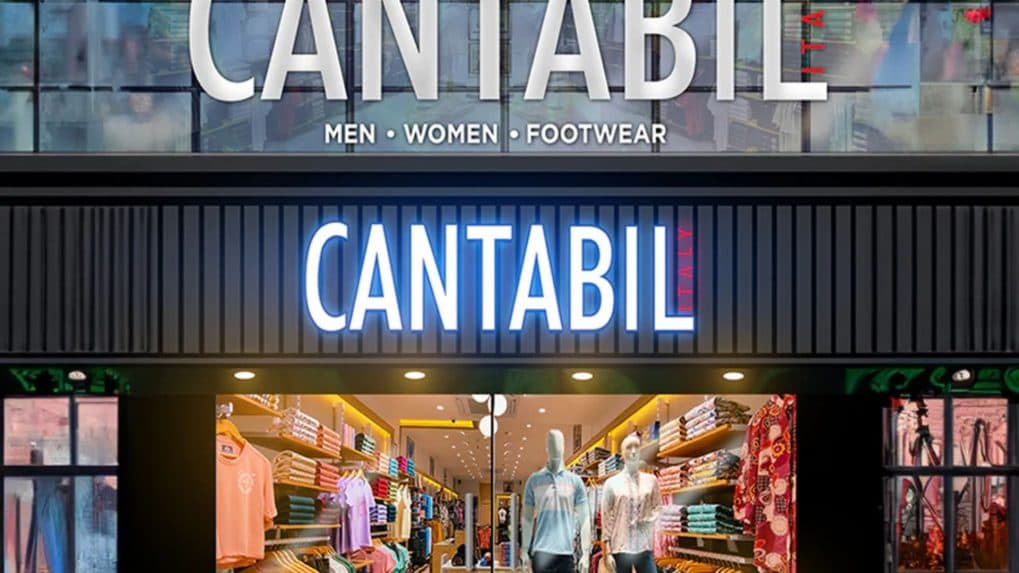
Cantabil Retail India has announced the Quarter 1 result for the fiscal year 2026 on Tuesday. The fashion retailer reported a 29% year-on-year increase in profit to Rs 14.7 crore in the quarter ended on 30 June 2025. The company's PAT margin also rose from 8.9% in Q1 FY25 to 9.2% in Q1 FY26.
Canatabil's revenue from operations has also surged from Rs 127.6 crore in Q1 FY25 to Rs 158.7 crore in Q1 FY26--25% increase YoY.
The EBITDA of the company soared to Rs 49 crore--a 24% jump YoY.
According to the company, the same-store sales growth climbed to 11.3%. Cantabil has a total store count of 605, covering a total retail area of 8.06 lakh sq. ft.
According to Vijay Bansal, (Chairman & Managing Director) of Cantabil Retail India Limited, "The double-digit same-store sales growth, alongside 24% revenue growth and 29% increase in PAT, reflects the growing momentum of our business and the strength of our execution".
Bansal said the company is "seeing green shoots of demand recovery, with improving consumer sentiment over the past few months," and added, "The outlook is further bolstered by macro indicators such as the forecast of an above-normal monsoon, which is expected to lift rural demand and overall discretionary spending".
Cantabil Retail, established in 1989, is engaged in the designing, manufacturing, branding, and retailing of garments and accessories. The company started its garment manufacturing and retailing business in 2000 and opened its first store in September in New Delhi in the same year.
From purpose-driven work and narrative-rich brand films to AI-enabled ideas and creator-led collaborations, the awards reflect the full spectrum of modern creativity.
Read MoreThe Storyboard18 Awards for Creativity have unveiled a Grand Jury comprising some of India’s most influential leaders across advertising, business, policy and culture, positioning it among the country’s most prestigious creative award platforms.