Advertising
From Pink Slips to Silent Sidelining: Inside adland’s layoff and anxiety crisis
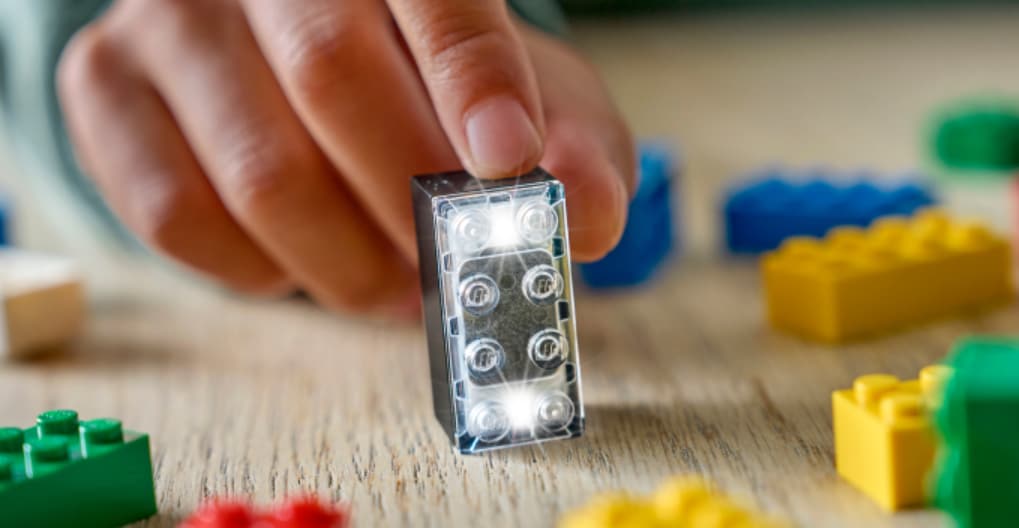
Lego, the iconic Danish toy maker, is taking a bold step into the future with Lego Smart Play, a new line of interactive bricks that light up, make sounds, and respond to movement. The announcement, made at CES 2026 in Las Vegas, has generated excitement among some parents and children, but also skepticism among longtime fans who value the simplicity of classic Lego.
What Are Smart Bricks?
At first glance, Smart Bricks look like ordinary Lego pieces. They are fully compatible with existing sets and maintain the familiar size and stud pattern. The innovation, however, is hidden inside. Each brick contains:
How Do Smart Bricks Work?
Smart Bricks communicate via Lego’s proprietary BrickNet, a secure network built into the toys themselves. Unlike many tech-driven toys, Smart Play does not require a smartphone, tablet, or external app. Bricks are programmed with “sound tags” that let them recognize certain characters or actions, so for example, a brick attached to a Star Wars figure might produce lightsaber sounds or other themed effects.
Why Lego Calls This a Major Milestone
Lego describes Smart Play as its most significant innovation since the minifigure’s debut in 1978, which transformed storytelling in Lego sets. Executives say the move is part of a broader effort to modernize play while staying true to the company’s hands-on, creative ethos.
Why Some Fans Are Concerned
Despite assurances that electronics won’t replace traditional bricks, some fans worry that Smart Play could alter what makes Lego special. Key concerns include:
Overreliance on technology: Critics argue that Lego’s charm lies in open-ended, imaginative play without electronics.
Durability and repair: Adding microelectronics may make bricks harder to repair or longer-lasting.
Cost and creativity: There is uncertainty whether lights and sounds will enhance or limit imaginative building.
What This Means for Classic Lego
Traditional Lego sets are not going away. Smart Bricks will initially be available only in themed sets like Star Wars, meaning families can choose whether to adopt the new technology. Compatibility with older bricks remains a priority, so kids can combine old and new pieces seamlessly.
The Bigger Picture
Lego Smart Play reflects a broader challenge for legacy toy makers: how to innovate in an increasingly digital world without alienating loyal fans. The success of Smart Play may ultimately hinge on whether children find the light and sound features enhancing their creativity, or whether they distract from the simple joy of building.
For a brand built on imagination, this experiment could redefine what it means to play with Lego, or spark a debate about whether some toys are best left unplugged.
From purpose-driven work and narrative-rich brand films to AI-enabled ideas and creator-led collaborations, the awards reflect the full spectrum of modern creativity.
Read MoreLooking ahead to the close of 2025 and into 2026, Sorrell sees technology platforms as the clear winners. He described them as “nation states in their own right”, with market capitalisations that exceed the GDPs of many countries.