Advertising
From Pink Slips to Silent Sidelining: Inside adland’s layoff and anxiety crisis
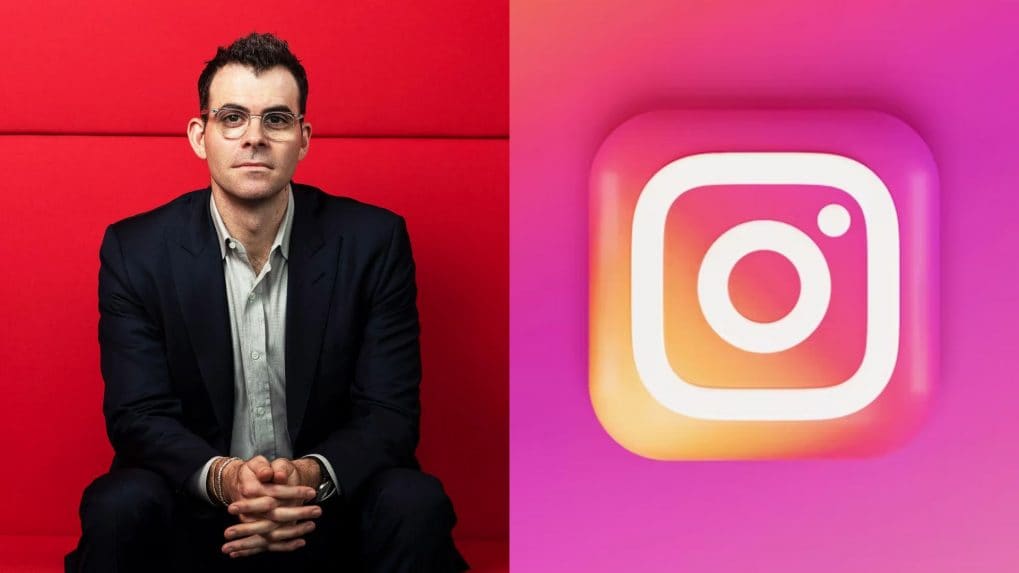
AI-generated content is set to increasingly dominate social media feeds, with Instagram head Adam Mosseri warning that users will need to fundamentally rethink how they interpret what they see online. In his year-end reflections shared on Threads, Adam Mosseri said AI-generated images and videos are already altering assumptions about reality and that it will take years for people to adapt to a world where visual media can no longer be taken at face value.
Mosseri said that for most of his life it was reasonable to assume that photographs and videos largely reflected real moments, but that this assumption is no longer valid with the rapid advancement of artificial intelligence. He stated that over time people will move away from believing media is real by default and instead approach it with scepticism, paying closer attention to who is sharing content and the motivation behind it.
He informed that the traits that once defined successful creators, such as authenticity, relatability and having a distinct voice, are becoming increasingly replicable through AI. He pointed to the growing prevalence of deepfakes and AI-generated photos and videos that are becoming difficult to distinguish from genuine captured media, adding that synthetic content is steadily filling up feeds and making authenticity a scarce resource.
On the impact for creators, Mosseri said those who continue to succeed will be the ones who find ways to maintain authenticity regardless of whether they adopt new technologies. However, he added that this will become more challenging as the ability to simulate authenticity becomes widespread, shifting the benchmark from simply creating content to producing something that only a particular individual could make.
He further stated that content creation and consumption are likely to move away from highly polished visuals towards a more raw and imperfect aesthetic. According to Mosseri, creators will increasingly lean into unproduced and unflattering imagery as a way to signal realness, noting that in a world where everything can be perfected, imperfection itself becomes proof and a defensive marker of authenticity.
Mosseri also said social media platforms will face mounting pressure to identify and label AI-generated content, while acknowledging that detection will grow more difficult as AI becomes better at imitating reality. He suggested that rather than focusing solely on identifying fake content, it may be more practical to fingerprint real media. He stated that camera manufacturers could cryptographically sign images at the point of capture, creating a verifiable chain of custody to establish authenticity.
The comments highlight growing concerns across the tech industry about trust, authenticity and verification in an era where AI-generated media is becoming increasingly sophisticated and widespread.
From purpose-driven work and narrative-rich brand films to AI-enabled ideas and creator-led collaborations, the awards reflect the full spectrum of modern creativity.
Read MoreLooking ahead to the close of 2025 and into 2026, Sorrell sees technology platforms as the clear winners. He described them as “nation states in their own right”, with market capitalisations that exceed the GDPs of many countries.