Digital
Why OpenAI is hiring 100 ex-bankers: Inside the ChatGPT-maker's secret project to automate Wall Street's grunt work
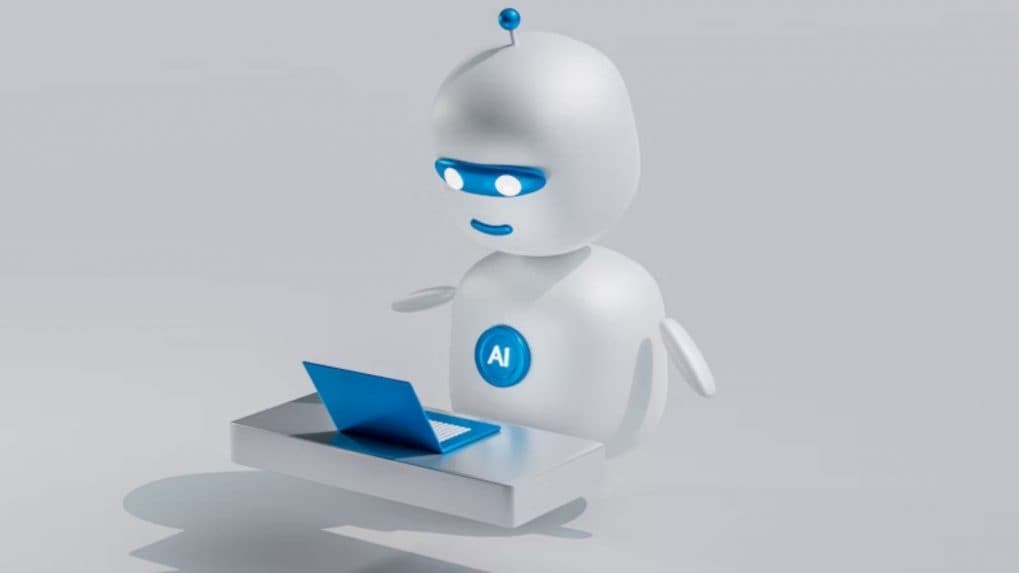
OpenAI, the company behind ChatGPT, is reportedly moving into humanoid robotics, setting itself up for a high-stakes contest with Elon Musk’s Tesla. According to a report by Wired, the artificial intelligence giant has begun aggressively recruiting experts in robotics and machine learning as part of a strategy to expand its influence beyond software into physical systems.
Recent job postings reveal OpenAI’s ambition to build a team of specialists capable of designing sophisticated algorithms to control both humanoid and conventional robotic platforms. The company is said to be focusing on systems that can learn through advanced teleoperation methods and virtual simulation environments.
Industry insiders cited in the report suggest OpenAI is particularly interested in humanoid robots — machines that mimic human characteristics either partially or fully. Its research also appears to be targeting enhanced spatial reasoning capabilities, which would allow robots to better interpret their surroundings and perform complex, real-world tasks with precision.
The initiative positions OpenAI directly against Tesla, which is developing its own humanoid robot, Optimus. Musk has described Optimus as a central pillar of Tesla’s long-term business, with applications ranging from industrial work to household assistance. OpenAI’s entry into the sector intensifies the rivalry between two of the most influential players in artificial intelligence.
The development also carries a personal dimension. Musk co-founded OpenAI in 2015 but stepped down from its board in 2018. Since then, he has become one of the company’s sharpest critics, questioning its direction and safety practices. At the same time, he has linked his work on Tesla’s Optimus project to broader concerns about the potential risks of advanced AI.
If OpenAI follows through on its robotics ambitions, it could reshape the competitive landscape in a field increasingly viewed as central to the future of AI — where algorithms move beyond digital environments to operate in the physical world.
From purpose-driven work and narrative-rich brand films to AI-enabled ideas and creator-led collaborations, the awards reflect the full spectrum of modern creativity.
Read MoreIn a wide-ranging interview with Storyboard18, Sorrell delivers his frankest assessment yet of how the deal will redefine creativity, media, and talent across markets.