Digital
Why OpenAI is hiring 100 ex-bankers: Inside the ChatGPT-maker's secret project to automate Wall Street's grunt work
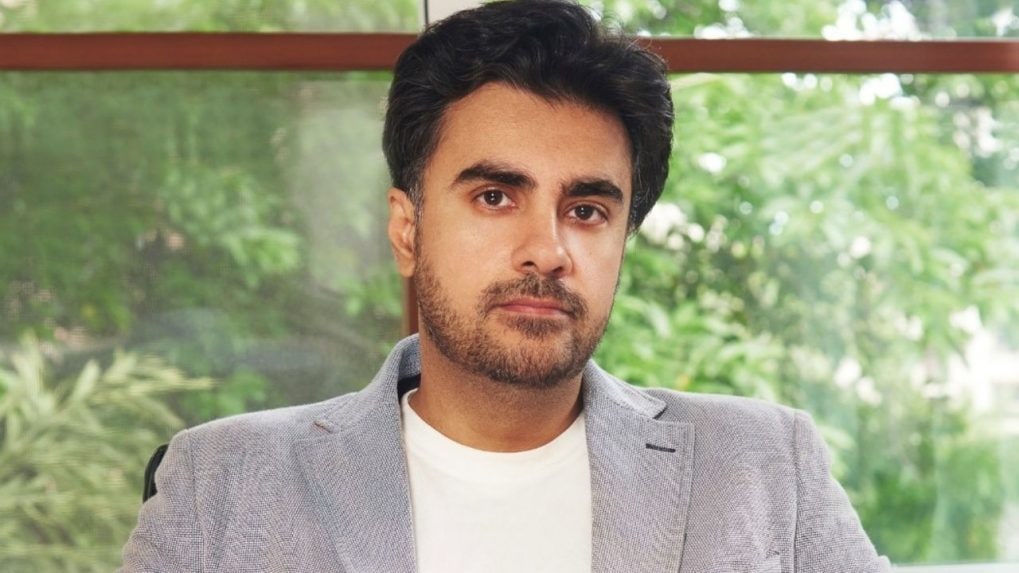
Uday Singh Gauri, CEO of Dharma Collab Artists Agency (DCAA) shares how the talent management agency has recalibrated its strategy to focus entirely on entertainment and long-term talent alignment after parting ways with Cornerstone's Bunty Sajdeh, a move it attributes to strategic alignment with majority stakeholders at Karan Johar's Dharma Productions.
Speaking in an interview with Storyboard18, Gauri said the separation was driven by alignment rather than disruption. “We had to align with the majority stakeholders at Dharma, and I think the strategy and the strategic alignment led to this,” he said, adding that the agency now wants to build itself into a full-service talent alignment platform focused on entertainment.
As competition intensifies among talent and creative agencies, Gauri positioned DCA’s differentiation around experience rather than scale or star power. He said the leadership team brings nearly two decades of industry experience and sees its role as shaping careers rather than executing transactions.
According to Gauri, DCAA operates with dedicated teams for individual actors, he said, while maintaining a common strategic framework across its roster. Planning can range from near-term project decisions to longer-term positioning around films, brands, and market opportunities. The agency is also advising talent on brand endorsements, investments, co-created IPs, and wealth management, areas that are increasingly becoming part of talent representation.
Talent movement remains fluid
On whether informal industry norms exist around not poaching talent, Uday acknowledged a “gentleman’s word” but said movement is inevitable in a people-driven business. “You’re dealing with human behaviour,” he said, adding that while talent movement does occur, DCAA aims to follow what it considers fair practices and does not actively pursue poaching.
He also framed such movement as a by-product of a competitive and evolving market rather than a structural flaw.
Gauri said the influencer and creator ecosystem has seen rapid structural change over the past five years, driven by new monetisation models, evolving formats, and technological shifts. He described the pace of change as unusually fast, with new revenue opportunities emerging every few months.
According to him, established actors are increasingly using digital content as entertainment extensions, while influencers are crossing into mainstream brand endorsements and, in some cases, becoming brand faces. He characterised this convergence as evolutionary rather than disruptive.
Brand endorsements continue to form the bulk of DCAA’s revenue, a reality Uday said reflects the current structure of the industry. However, he said the agency is attempting to reduce over-reliance on brand income by expanding into other areas.
These include developing IPs, exploring the concert economy, and evaluating brand ownership and wealth-related opportunities. While brand revenue remains dominant, he said the aim is to narrow the gap over time rather than replace it entirely.
Managing star dependence and long-tail risk
Addressing concerns around dependence on a small number of top stars, Gauri said higher-earning talent naturally appears more prominently in financials due to transaction size. However, he maintained that the agency works across its entire roster to ensure opportunities are distributed more evenly.
He also acknowledged the volatility of the long-tail creative economy, which is increasingly dependent on platform algorithms and shifting audience behaviour.
Gauri described brand engagement cycles as largely tactical, often driven by topical relevance or recent on-screen success, but said long-term partnerships remain important for sustained brand communication. According to him, multi-year associations help consumers better understand what a brand ambassador represents.
On valuation, he said the gap between celebrity reach and creator-led ROI is narrowing, with brands becoming more deliberate about fit rather than overpaying for visibility.
He also acknowledged growing platform risk as social media companies tighten monetisation and visibility. To mitigate this, DCAA advises talent to diversify across platforms and formats rather than rely on a single channel. “It’s not unidimensional,” he said, adding that talent today needs a presence across multiple streams for resilience.
From purpose-driven work and narrative-rich brand films to AI-enabled ideas and creator-led collaborations, the awards reflect the full spectrum of modern creativity.
Read MoreIn a wide-ranging interview with Storyboard18, Sorrell delivers his frankest assessment yet of how the deal will redefine creativity, media, and talent across markets.