Advertising
From Pink Slips to Silent Sidelining: Inside adland’s layoff and anxiety crisis
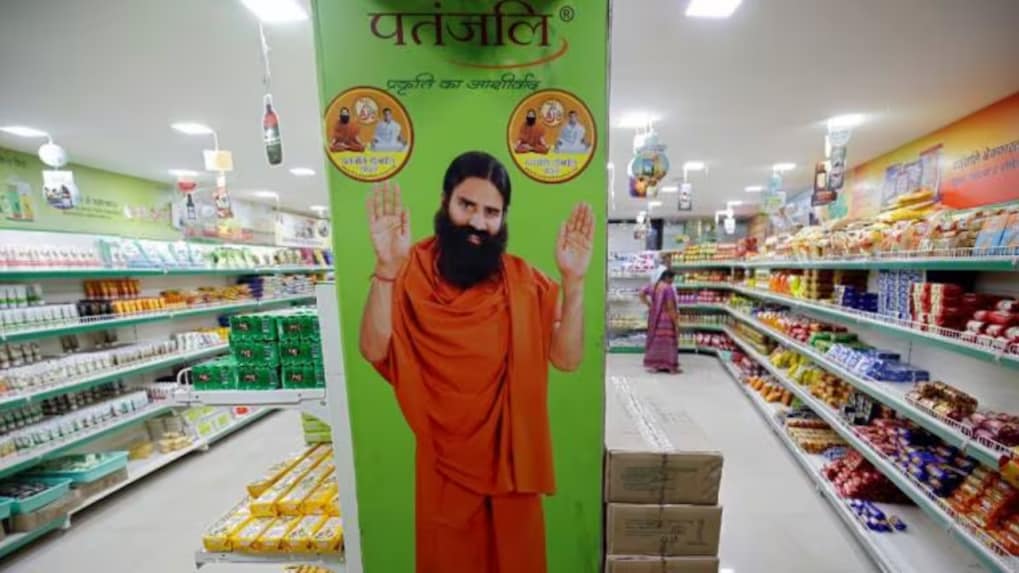
The Supreme Court on Tuesday, asked Patanjali Ayurved to file the original page of the newspaper that contains the unqualified public apology for violating the orders of the court. The Registry has been informed to take it into record, once filed.
A bench of justices Hima Kohli and Ahsanuddin Amanullah questioned Patanjali’s lawyers for not filing the original copies of the apology before the court. The SC had previously asked them to file the original papers of the apology which the court said was not done.
Patanjali Ayurved informed the court that due to the sheer volume of apologies issued across 322 newspapers, filing the original pages would have been cumbersome.
The SC also said that there has been an improvement in the attitude of Patanjali’s management. “There has been a marked improvement. There was only Patanjali earlier, now there are names. We appreciate that. They have understood,” said the SC.
The Supreme Court also exempted yoga guru and Patanjali Ayurved co-founder Baba Ramdev from personally appearing for the next hearing in the misleading ads case.
From purpose-driven work and narrative-rich brand films to AI-enabled ideas and creator-led collaborations, the awards reflect the full spectrum of modern creativity.
Read MoreLooking ahead to the close of 2025 and into 2026, Sorrell sees technology platforms as the clear winners. He described them as “nation states in their own right”, with market capitalisations that exceed the GDPs of many countries.