How it Works
WPP, Havas, Omnicom: Are advertising’s biggest holdcos recasting agencies as AI Operating Systems?
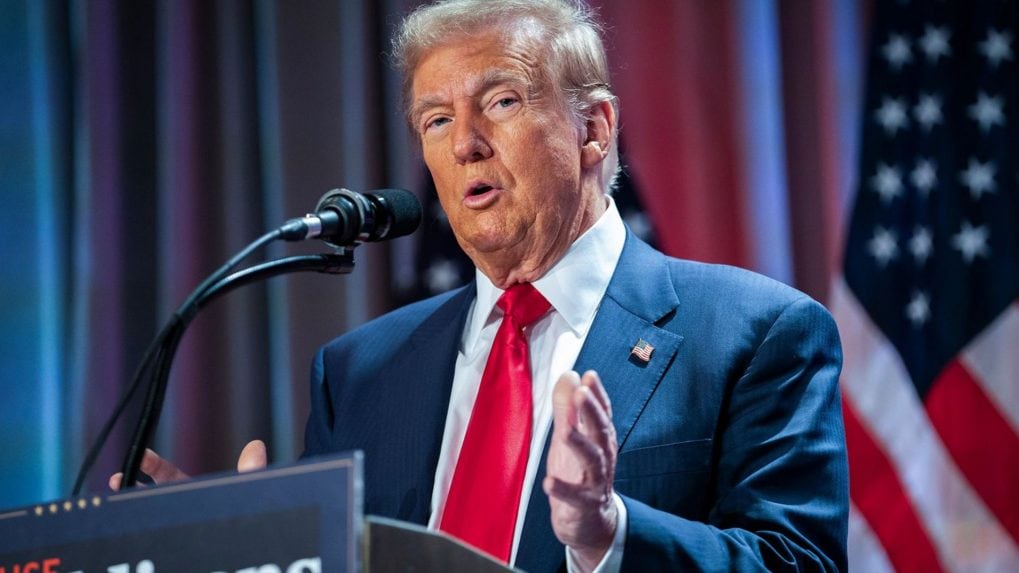
U.S. President Donald Trump has filed a defamation lawsuit against the BBC, accusing the British public broadcaster of misleadingly editing footage of a January 6, 2021 speech to make it appear that he directly incited supporters to storm the U.S. Capitol.
The lawsuit was filed on Monday in a federal court in Miami, where Trump is seeking at least $5 billion in damages. The case marks a rare escalation of a dispute between a sitting U.S. president and a foreign, publicly funded media organisation, widening Trump’s ongoing legal campaign against news outlets he argues have portrayed him unfairly.
According to the complaint, the BBC edited together portions of Trump’s speech delivered shortly before the Capitol attack, combining remarks in which he urged supporters to march to the Capitol with the phrase “fight like hell.” Trump alleges that the broadcaster excluded a separate passage in which he explicitly called for peaceful protest, resulting in a distorted impression that he was advocating violence.
The lawsuit further alleges that the BBC’s actions amounted to defamation and violated a Florida law prohibiting deceptive and unfair trade practices. Trump is seeking damages under two counts, claiming the broadcast caused substantial reputational and financial harm.
The BBC has previously apologised for the edited clip, acknowledging that it gave a mistaken impression that Trump had issued a direct call for violent action. However, the broadcaster has said there is no legal basis for the lawsuit.
In the court filing, Trump argues that the apology fell short, claiming the BBC demonstrated no genuine remorse and failed to introduce meaningful institutional changes to prevent similar editorial decisions in the future.
A spokesperson for Trump’s legal team accused the BBC of maintaining a long-standing pattern of misleading coverage, alleging political bias against the president. The BBC said earlier on Monday that it had received no further communication from Trump’s lawyers and that its position remained unchanged. The broadcaster did not immediately comment after the lawsuit was formally filed.
The dispute stems from a segment aired on the BBC’s investigative programme Panorama shortly before the 2024 U.S. presidential election. The episode triggered a major internal crisis at the 103-year-old broadcaster, leading to the resignations of its two most senior executives. The BBC later confirmed that it would not rebroadcast the documentary on any of its platforms.
Scrutiny intensified after an internal memo from an external editorial standards adviser was leaked, raising concerns about the documentary’s editing and contributing to a broader review of political impartiality at the publicly funded broadcaster. The programme was not broadcast in the United States.
Trump’s decision to file the lawsuit in the U.S. may reflect legal timing constraints in the UK, where defamation claims generally must be brought within one year of publication, a window that has closed for the Panorama episode.
Legal experts note that Trump faces a high threshold under U.S. defamation law. As a public figure, he must prove not only that the broadcast was false and defamatory, but also that the BBC knowingly misled viewers or acted with reckless disregard for the truth. The BBC is expected to argue that the documentary was substantially accurate and that its editing decisions did not materially alter the overall meaning or damage Trump’s reputation.
Any potential financial liability could be politically sensitive in the UK, as the BBC is funded through a mandatory television licence fee paid by households.
The lawsuit adds to a series of legal actions Trump has pursued against major media organisations. While some outlets, including CBS and ABC, have previously settled disputes with him, others, such as The New York Times, The Wall Street Journal and a newspaper in Iowa, have denied wrongdoing and are contesting similar claims.
The January 6, 2021 attack on the U.S. Capitol was carried out by Trump supporters seeking to disrupt Congress’s certification of Joe Biden’s victory in the 2020 presidential election, an episode that continues to have legal and political repercussions years later.
From purpose-driven work and narrative-rich brand films to AI-enabled ideas and creator-led collaborations, the awards reflect the full spectrum of modern creativity.
Read MoreThe Storyboard18 Awards for Creativity have unveiled a Grand Jury comprising some of India’s most influential leaders across advertising, business, policy and culture, positioning it among the country’s most prestigious creative award platforms.