Digital
Why OpenAI is hiring 100 ex-bankers: Inside the ChatGPT-maker's secret project to automate Wall Street's grunt work
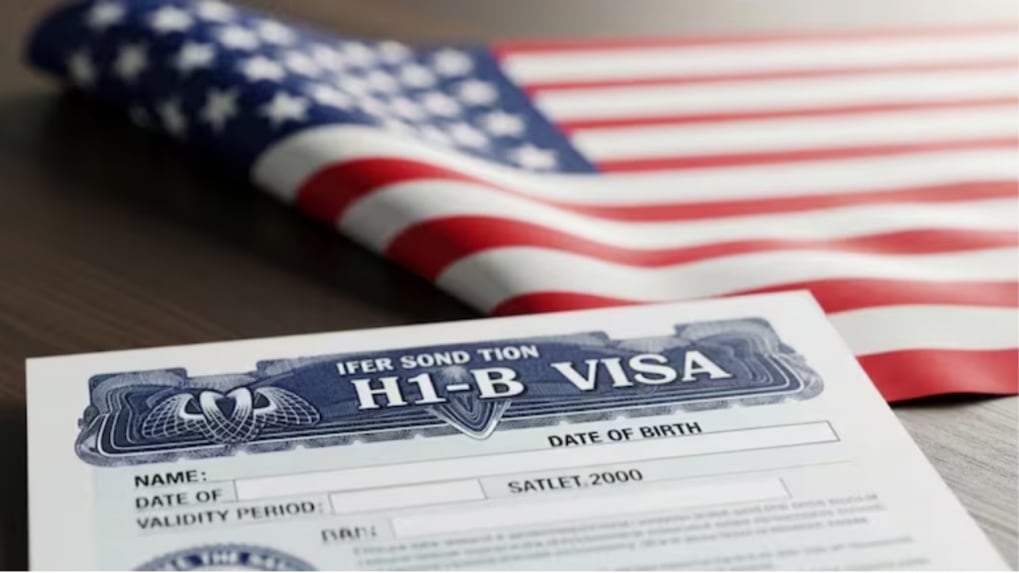
Thousands of H-1B visa applicants have been left stranded in India after the US State Department abruptly cancelled most of its December visa appointments and shifted them to early 2026. Many applicants reported receiving emails notifying them that their interviews have now been rescheduled to March 2026, leaving them unable to return to the United States.
The delays come as US immigration authorities prepare to implement a new social media vetting rule, which takes effect on December 15, 2025. Under the policy, visa officers will review applicants’ social media accounts to determine whether they have posted content deemed hostile or threatening to the United States.
The US Embassy in India acknowledged the rescheduling, cautioning applicants not to appear on their original dates. “If you have received an email advising that your visa appointment has been rescheduled… arriving on your previously scheduled appointment date will result in your being denied admittance to the Consulate,” the mission said in its notice.
The sudden postponement is already causing significant professional and personal disruption. US-based immigration attorney Ellen Freeman warned of widespread job losses among workers trapped in India.
In a LinkedIn post, she wrote: “H-1B workers will lose their jobs now that they are stuck in India. We have to plead with employers to let them either work from India or take a prolonged leave of absence for up to five months. Many employers will not be able to wait… The prolonged delay will have a devastating effect on our communities and economy. There are human stories behind each visa cancellation and its harsh impact.”
The new vetting rule expands mandatory screening for H-1B workers and their H-4 dependents, requiring applicants to keep their social media profiles public so US officials can assess whether they may be inadmissible or pose national security concerns. Students and exchange visitors were already subject to similar checks.
The move adds to a series of tightening measures around US skilled-worker immigration. In September, President Donald Trump imposed a one-time $100,000 fee on new H-1B visas, a decision expected to heavily affect Indian workers. More recently, the US paused Green Card and citizenship processing for applicants from 19 “countries of concern” following the shooting of National Guard soldiers by an Afghan national.
In a wide-ranging interview with Storyboard18, Sorrell delivers his frankest assessment yet of how the deal will redefine creativity, media, and talent across markets.