Advertising
From Pink Slips to Silent Sidelining: Inside adland’s layoff and anxiety crisis
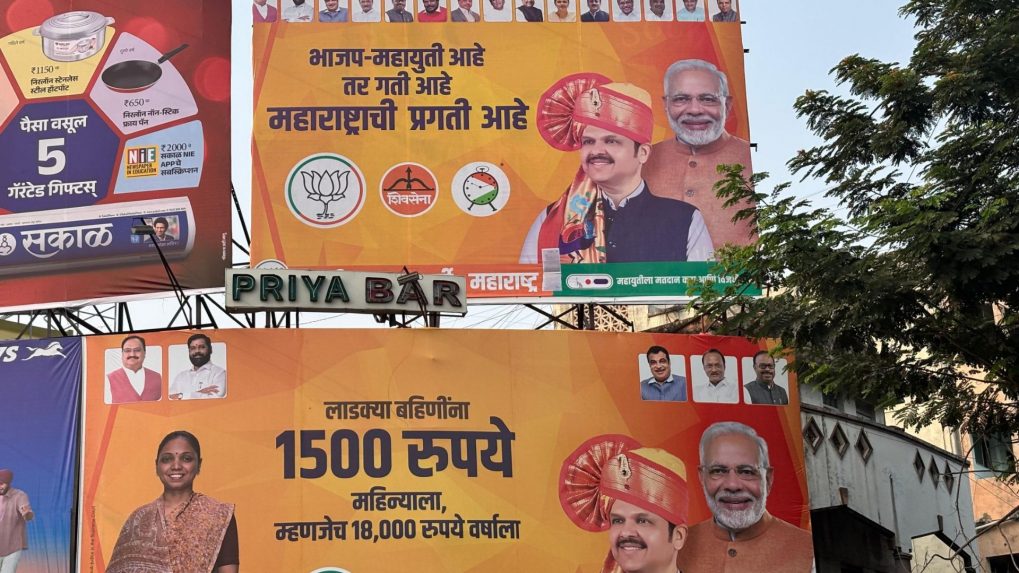
The Brihanmumbai Municipal Corporation (BMC) has removed a total of 11,563 illegal banners, posters, and advertisement boards from public spaces across the city following the Ganesh festival, between September 7 and September 12, according to media reports.
Of the total removed, around 70% were religious, 20% political, and 10% commercial in nature.
The civic body reportedly carries out a special drive every year to tackle the surge in unauthorized hoardings and banners that appear during major festivals such as Ganesh Chaturthi, Navratri, and Diwali. As per BMC regulations, Ganesh mandals are permitted to display banners within a 15-metre radius of their pandals. However, banners placed on road dividers, traffic signals, footpath bollards, and traffic islands are not authorised.
The highest number of illegal banners was removed from:
Andheri East – 1,729
Lower Parel – 1,085
Dadar – 982
Girgaon – 833
Additionally, BMC reported 20 instances of wall defacement and removed 1,009 flags from different parts of the city.
Despite the scale of the issue, only one FIR was filed, and 28 police complaints were lodged by the civic body during the drive.
A senior civic official explained that punitive action is feasible only when the source of the hoarding or banner is clearly identifiable. However, most banners do not carry identifiable information such as names, signatures, or contact details. In cases involving political hoardings, action is taken against the political parties named or visibly associated with the material, the official added.
Read More: Year after Ghatkopar hoarding collapse, IOAA pushes self-regulation policy for OOH industry
From purpose-driven work and narrative-rich brand films to AI-enabled ideas and creator-led collaborations, the awards reflect the full spectrum of modern creativity.
Read MoreLooking ahead to the close of 2025 and into 2026, Sorrell sees technology platforms as the clear winners. He described them as “nation states in their own right”, with market capitalisations that exceed the GDPs of many countries.