How it Works
WPP, Havas, Omnicom: Are advertising’s biggest holdcos recasting agencies as AI Operating Systems?
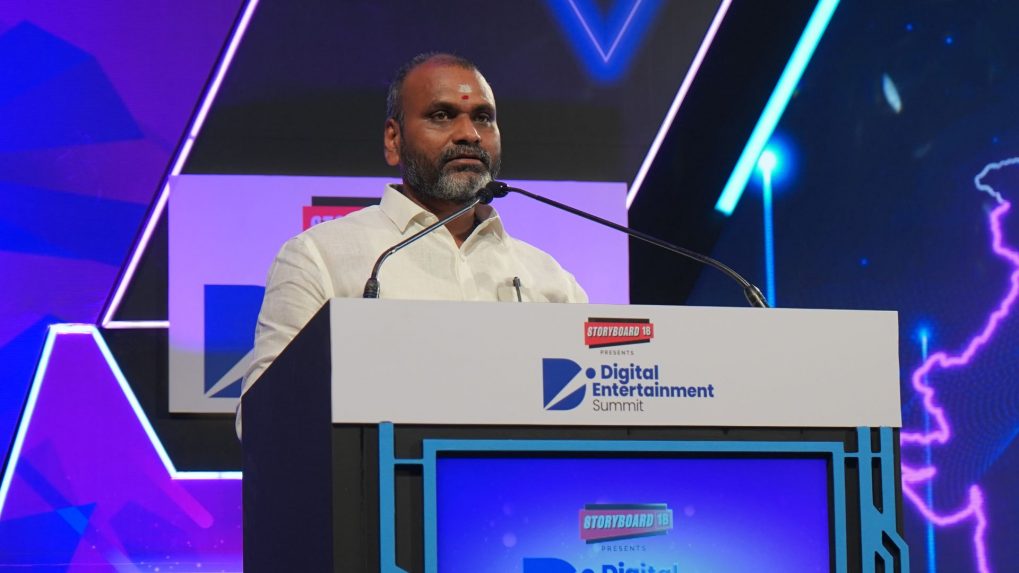
The Information & Broadcasting Ministry has justified the recent 26% increase in government print-advertising rates, saying the decision is rooted in rising input costs and the need to sustain the financial health of newspapers across the country. The clarification came in response to a series of questions raised in the Lok Sabha regarding the financial and editorial implications of the hike at a time when several Ministries are reportedly facing budgetary pressures.
In a written reply, Minister of State for Information & Broadcasting L. Murugan said the revision follows unanimous recommendations of the 9th Rate Structure Committee (RSC), set up on 11 November 2021 to evaluate print-media cost structures and propose changes to the Directorate of Advertising and Visual Publicity (DAVP) rate card.
Wide consultations, rising costs
The RSC consulted multiple industry bodies, including the Indian Newspaper Society (INS), All India Small Newspapers Association (AISNA) and representatives of small, medium and large publications. Its assessment covered cost components such as newsprint price escalation, inflation-driven production expenses, imported paper prices, employee wages and other operational inputs.
Murugan said the government accepted the panel’s recommendations in full, including revisions linked to colour-advertising premiums and preferential ad positioning — both key revenue generators for print publishers.
According to the Ministry, the revised rates reflect “rising input costs and increasing competition” faced by print outlets from digital platforms, which have reshaped audience and advertiser behaviour.
The government did not provide a direct financial-impact assessment of how the 26% hike may affect overall taxpayer-funded publicity spending across Ministries — a central concern raised by MPs. Nor did the response offer specifics on whether smaller publications may be disadvantaged relative to larger media houses, though it emphasised that enhanced revenue flows would help sustain operations across the board.
Murugan said the increased rates would “strengthen local news ecosystems” and support improved content creation, particularly for print organisations struggling with rising overheads.
On whether the government would publish the full RSC report along with any dissent notes, the Ministry did not commit to doing so. The reply also did not directly address concerns raised by MPs about whether larger ad budgets could potentially be used to influence editorial independence.
The Minister noted that despite the shift toward digital consumption, print media continues to play a critical role in disseminating official information, especially in regional markets with strong newspaper penetration. The revised rate structure, he said, aims to ensure the sustainability of these outlets while enabling more effective communication to citizens.
The government’s move comes amid a broader debate over the financial viability of traditional media and the evolving nature of state-funded advertising — a critical revenue source for many publications in India.
From purpose-driven work and narrative-rich brand films to AI-enabled ideas and creator-led collaborations, the awards reflect the full spectrum of modern creativity.
Read MoreThe Storyboard18 Awards for Creativity have unveiled a Grand Jury comprising some of India’s most influential leaders across advertising, business, policy and culture, positioning it among the country’s most prestigious creative award platforms.